
A Planting Plan to Entice the Beneficial Insects

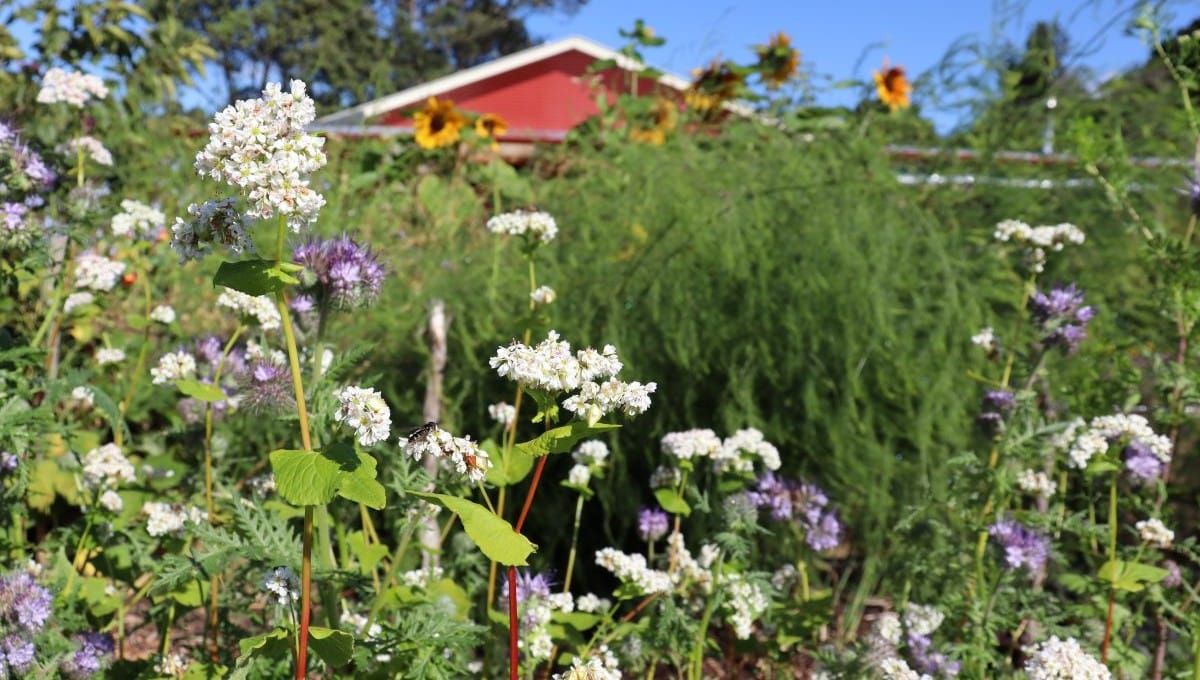
Prepare to be amazed at the amount of larvae gobbling, pest destroying action going on around you in the micro. Beneficial insects keep your garden sorted.
There's an army on your side: parasitic wasps, hoverflies, various bees and ladybirds, praying mantis, spiders, dragonflies, assassin bugs, lacewings, a variety of beetles, frogs, birds and earwigs (yes, earwigs!). They manage pests, pollination and recycling of debris in return for a safe haven ie your spray free backyard + a years supply of food. To sustain them you need an attitude of gratitude towards a few pests: they're feeding the good guys.
Three things will get you there - be spray free, create habitat and feed them year round.
Be Spray Free
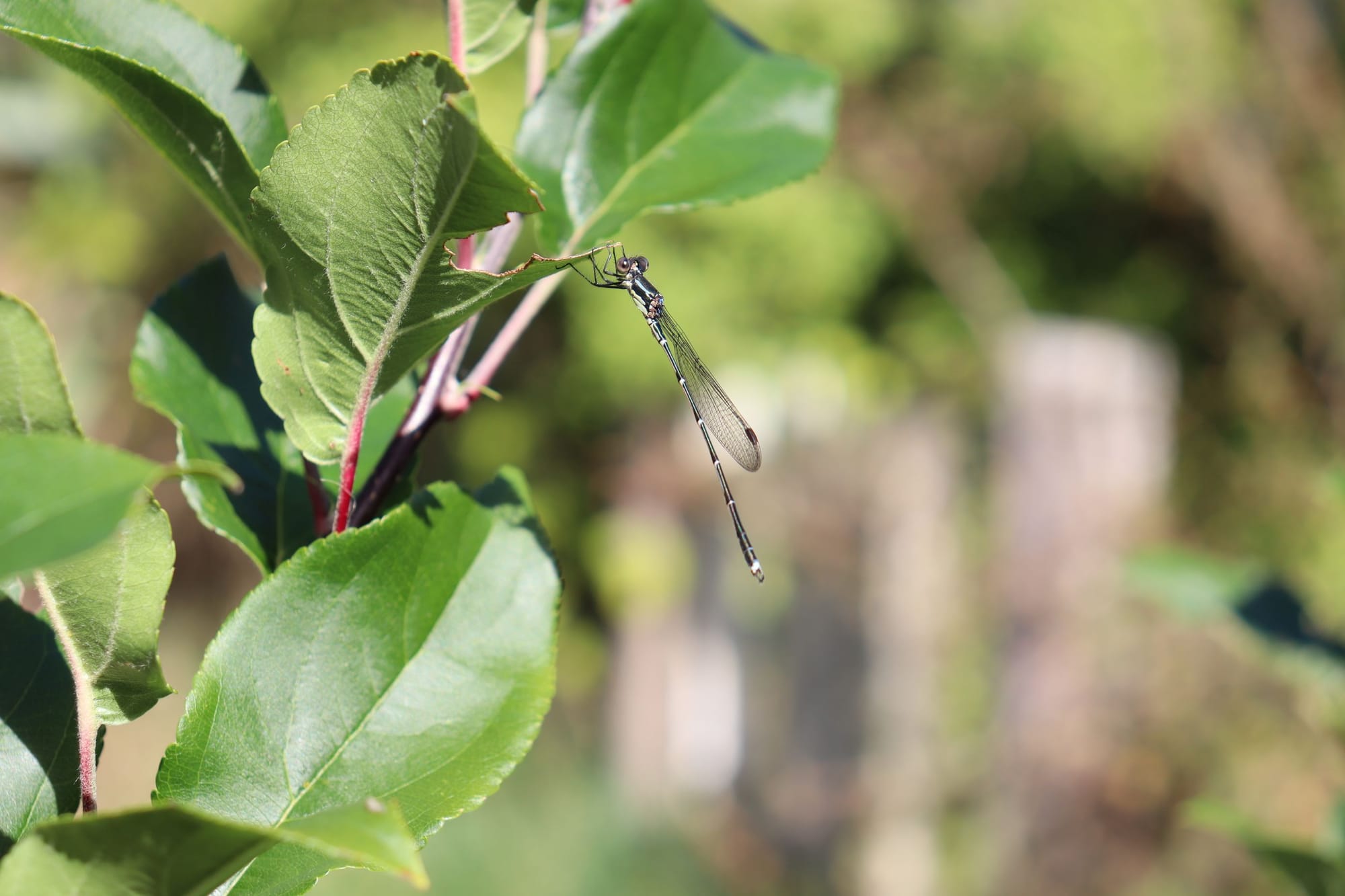
Spray is an insidious thing - it travels far further than you imagine. We're it dyed and thus turned visible, you'd be appalled.
Swap herbicide spray, for a roll on herbicide if you are dealing with an intense invasion of hard core vining weeds like convulvulus, kikuyu or ivy. Otherwise learn my spray free ways here.
As for pesticides, there is zero requirement when your garden is humming with beneficials, and your soil is no longer overfed.
Beneficial insects are more susceptible to pesticides, including non selective 'natural' sprays like pyrethrum, than pests are. Heavily sprayed gardens are, ironically - more pest laden than spray free gardens.
Habitat
Home for insects means wild, undisturbed places. A selection of natives and perennials, rocks, logs and whatever size body of water your place can fit - whether it's a pond or birdbath. The more diverse the natural resources, the more diverse the life that comes to play. And the more diversity of life, the greater diversity of pest management.
Year Round Food Supply
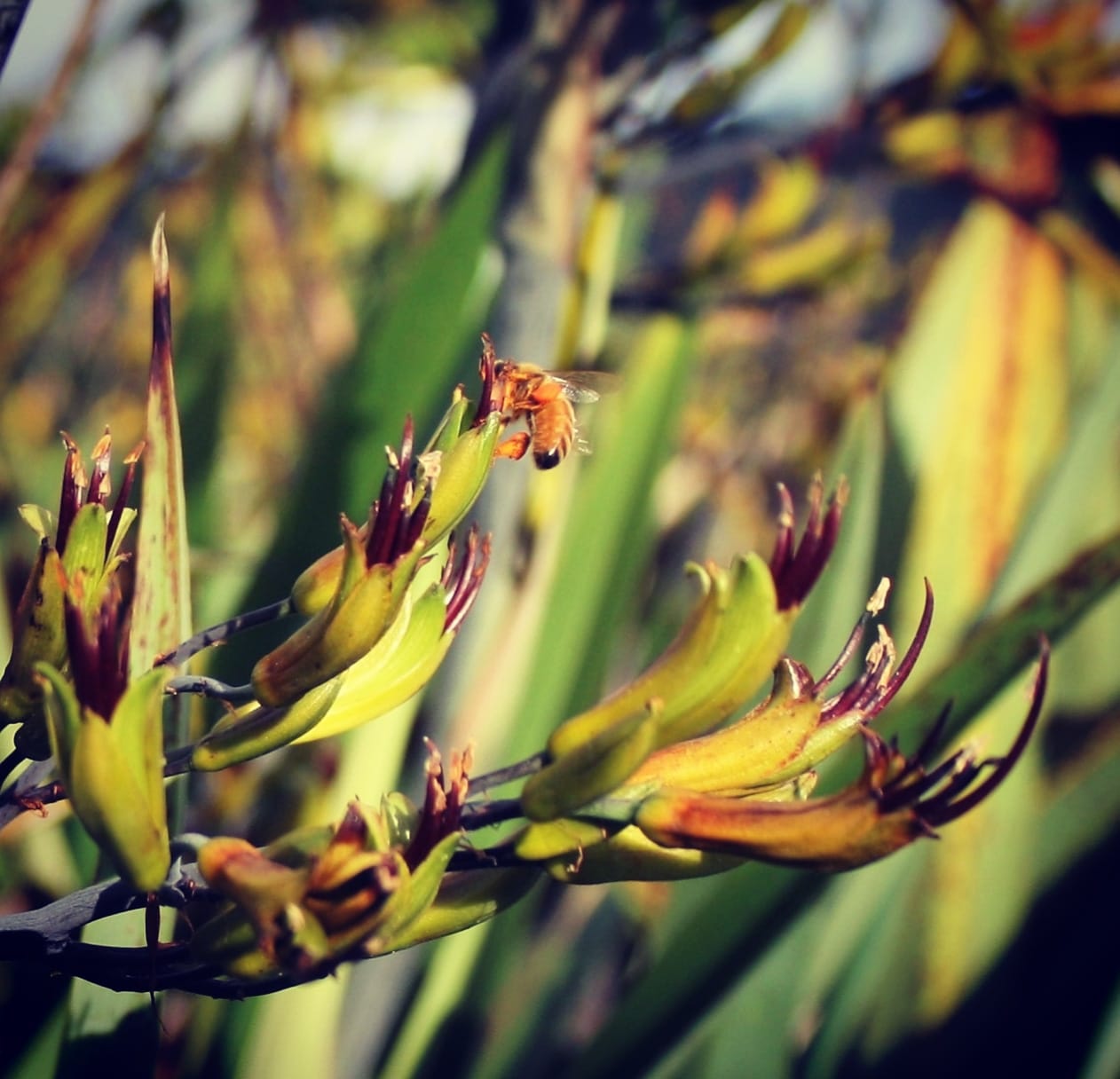
Nectar eaters and pollen gatherers need tiny, open flowers. Modern varieties are often lacking in nectar and pollen, so choose heirloom/ wild/ weeds and native flowers. A year's supply will keep them at your place (when the food runs out, so will they). Watch and see which flowers are the most beloved in your garden.
- flowering umbelliferae – coriander, parsnip, parsley, carrot, celery, dill, caraway, queen annes lace, bishops flower
- flowering clover - vetch, lucerne, lupin
- flowering brassicas - broccoli, mustard, radish, rocket
- some helpful natives - hebes, olearias, pittosporums, carpodetus, hoheria
- weeds like dandelion, yarrow and hawkbit are much beloved - let your lawn be wild!
My Favourite Perennials
There are loads to choose from, here's my favs:
• Summer Flowering
Lavender, Echinacea, Golden Rod, Rudbeckia, Thyme, Marjoram, Oregano, Shasta Daisies, Bergamot, Yarrow, Lemon Balm, Buddleia, Anise Hyssop, Salvia, Corokia, Hoheria, Comfrey, Perennial Leeks, Artichokes
• Autumn Flowering
Sedum, Caryopteris, Rudbeckia, Thyme, Marjoram, Oregano, Sage, Yarrow, Lemon Balm, Anise Hyssop, Salvia, Echinops, Chicory, Artichokes
• Winter Flowering
Hellebores, Wallflowers, Rosemary, Sage, Hebe, Pineapple Sage, Anise Hyssop
• Spring Flowering
California Lilac, Lavender, Hellebore, Wallflower, Sweet William, Dianthus, Flax, Bergamot, Yarrow, Anise Hyssop, Pittosporum
My Favourite Annuals
- Borage, Phacelia, Calendula, Marigold, Cosmos, Buckwheat, Poppies, Chamomile, Cornflower, Nasturtium, Alyssum, Verbena Bonaresis
Borage and Phacelia are high in nectar and refill quickly, making them the perfect fit amongst fruit trees and vegies. They self seed readily - you only need to sow them once, and they'll flower nearly all year from a succession of self sown plants. Include them in your greencrop mixes - both are in the Boraginaceae whanau, for those of you wanting to make your 6 family mix.