
June in the vegie patch + greenhouse
I love winter! And I'm not the only one - garlic, onions, all the brassica's, chard, endive, parsley and all manner of leafy greens love it too.

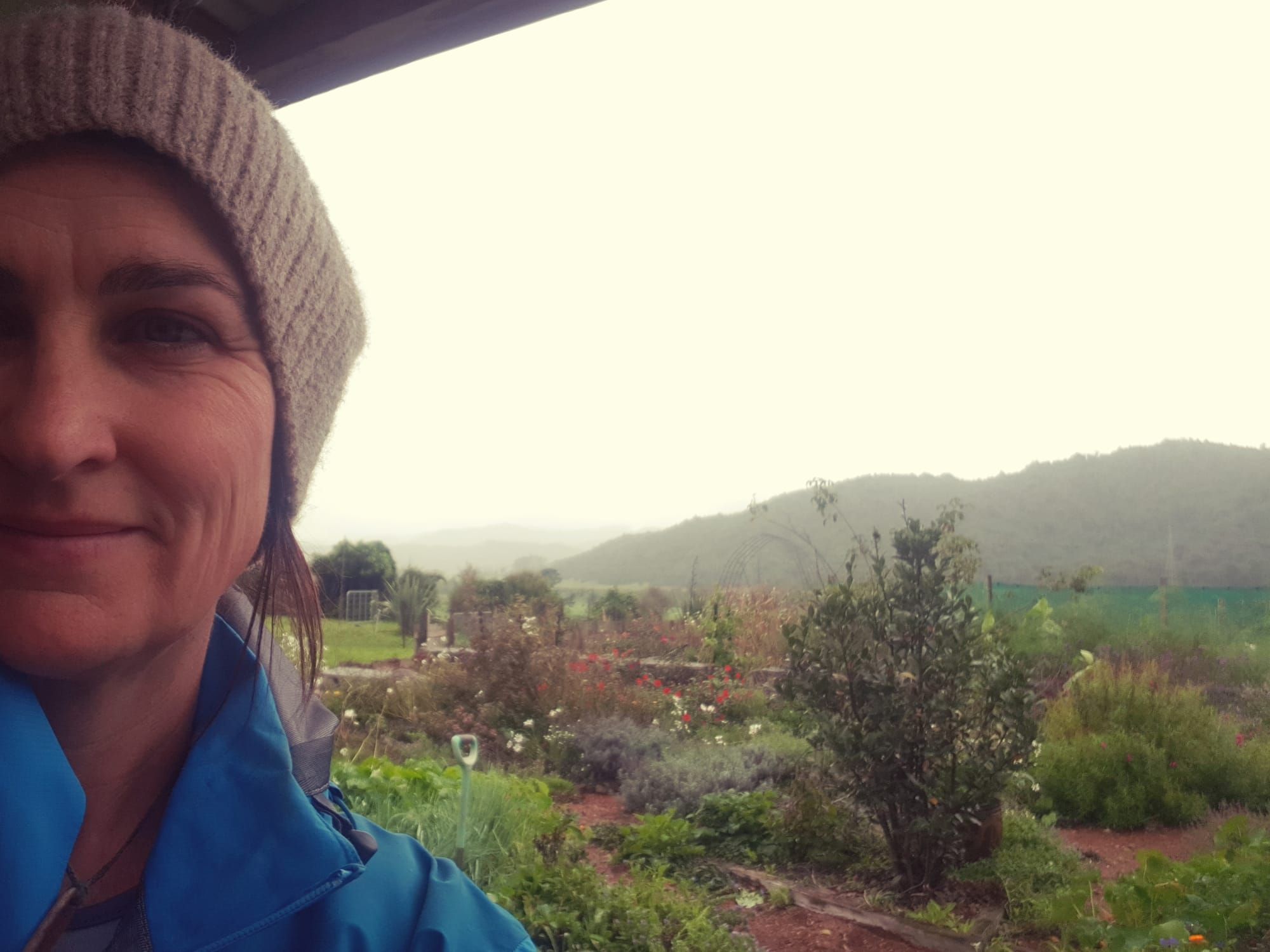
I love winter! And I'm not the only one - garlic, onions, all the brassica's, chard, endive, parsley and all manner of leafy greens love it too. Salads, rocket, coriander and beetroot survive it, but very slowly, so if you live in cooler places grow them somewhere warm like the greenhouse or a pot on the porch, from now on in.
What to sow and plant in June
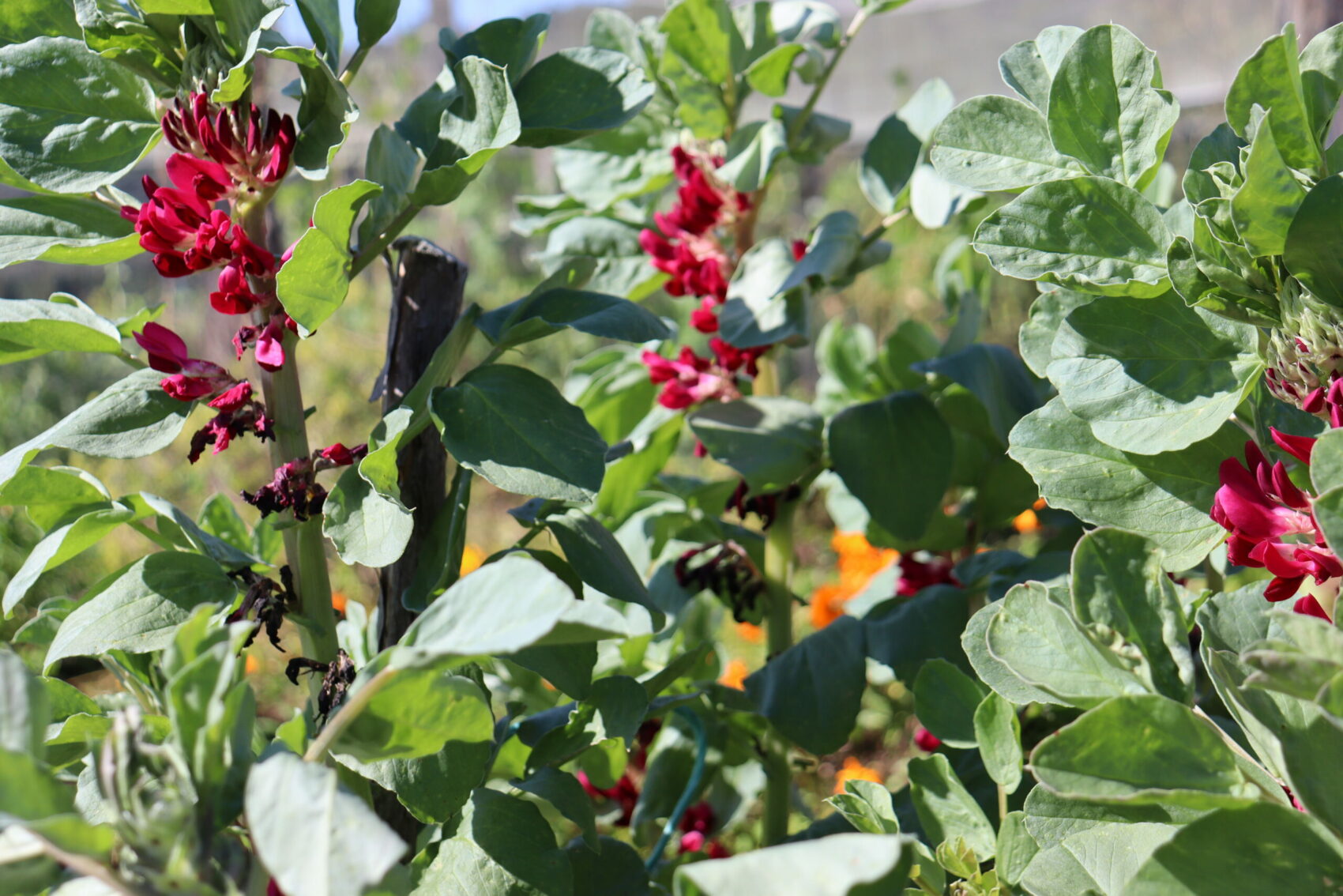
Broad beans are awesome for soil health, so grow them, even if you don't like them. Then try a young bean – freshly podded and either raw or steamed. You may just change your mind.
Direct Sow
- Greencrops in any gaps and beside, or beneath crops - such easy fertility. Make a mixture and sow away.
- Broad beans. Poke seeds in all over, dotted here and there amongst crops/ greencrops. They need no frame if planted amongst other brassicas and bolshy leafy greens. If you don't want the beans, chop and drop them as they get too bossy.
- Mizuna - such a good value leafy green.
- Rocket and coriander in the greenhouse from now on in, unless its warm enough outside at yours.
Tray Sow
- Peas and snowpeas into plug trays or toliet rolls
- A mixture of brassicas - broccoli, cabbage, cauliflower, collards - to keep dinners varied.
- Spring onions, red or brown onions
Direct or Tray Sow
- Broad beans
- Spinach, bok choy and beetroot, in the warmth of the greenhouse if needs be.
Transplant
- Broadbeans, peas and brassicas for spring eating.
- Garlic, spring onions, shallots, potato onions, red onions or brown onions.
- Asparagus crowns for future springs. Visit your local asparagus grower to purchase unless you have the patience to grow your own from seed.
Harvest
As you harvest leafy greens and broccoli shoots, whip off old ratty leaves to keep air and light cycling, to reduce pathogens, and inspire fresh shoots – thus keeping your crops romping along for longer.
Snap off or cut back to the main stem, or a union with another shoot. Don't leave lots of stumpy bits!
Your homegrown, spray free plants are the best food money can buy – make the most of them by keeping your eye on the ball, and harvesting crops at their peak.
Broccoli
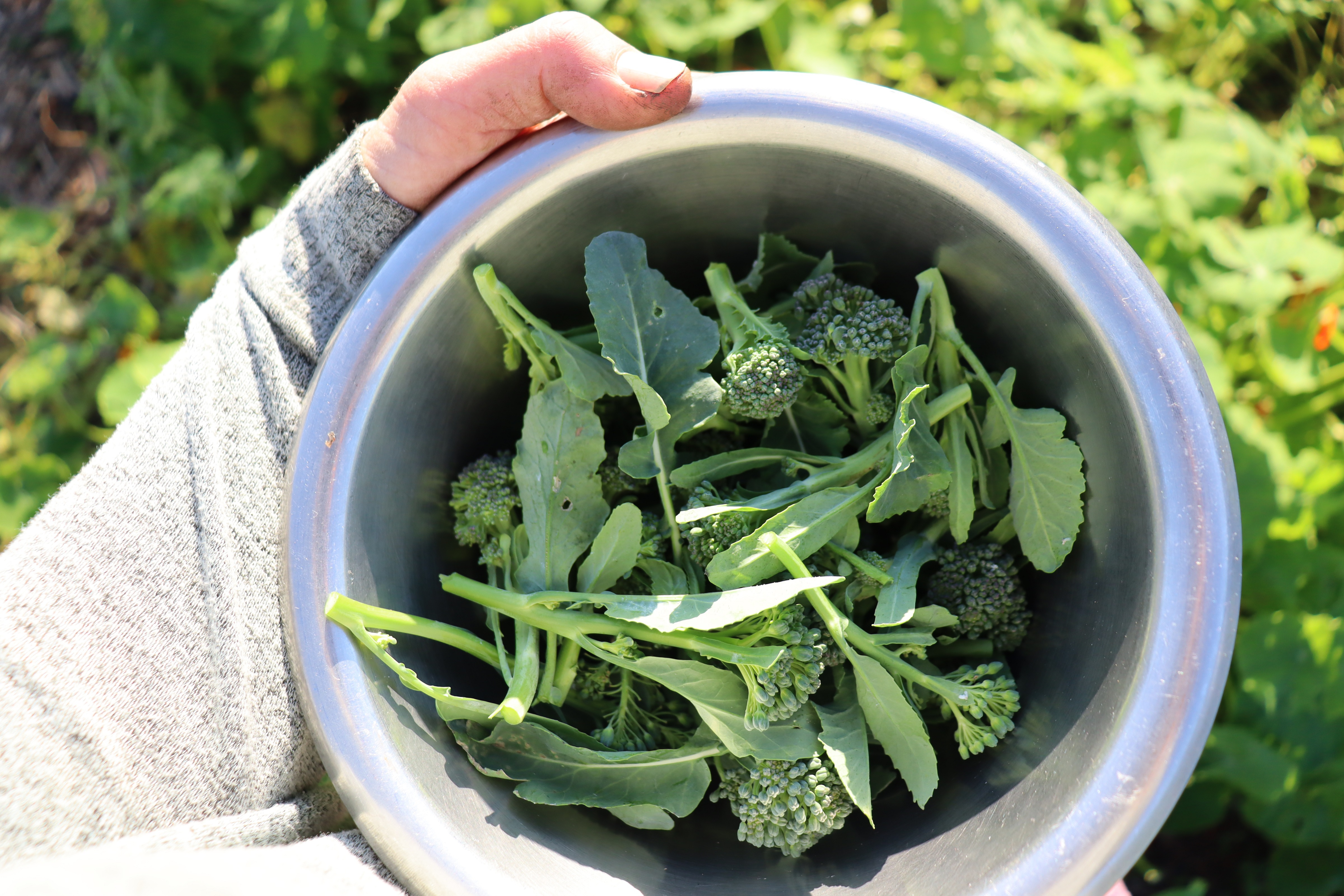
Once the main broccoli head has been harvested, many side shoots will spring forth. When you harvest the main head, leave as much central stem as you can – I know its yummy, but the more stem you leave the more future shoots.
Harvesting regularly is a win for longevity - it prevents them heading off to seed which signals the end of the shoots.
Leeks
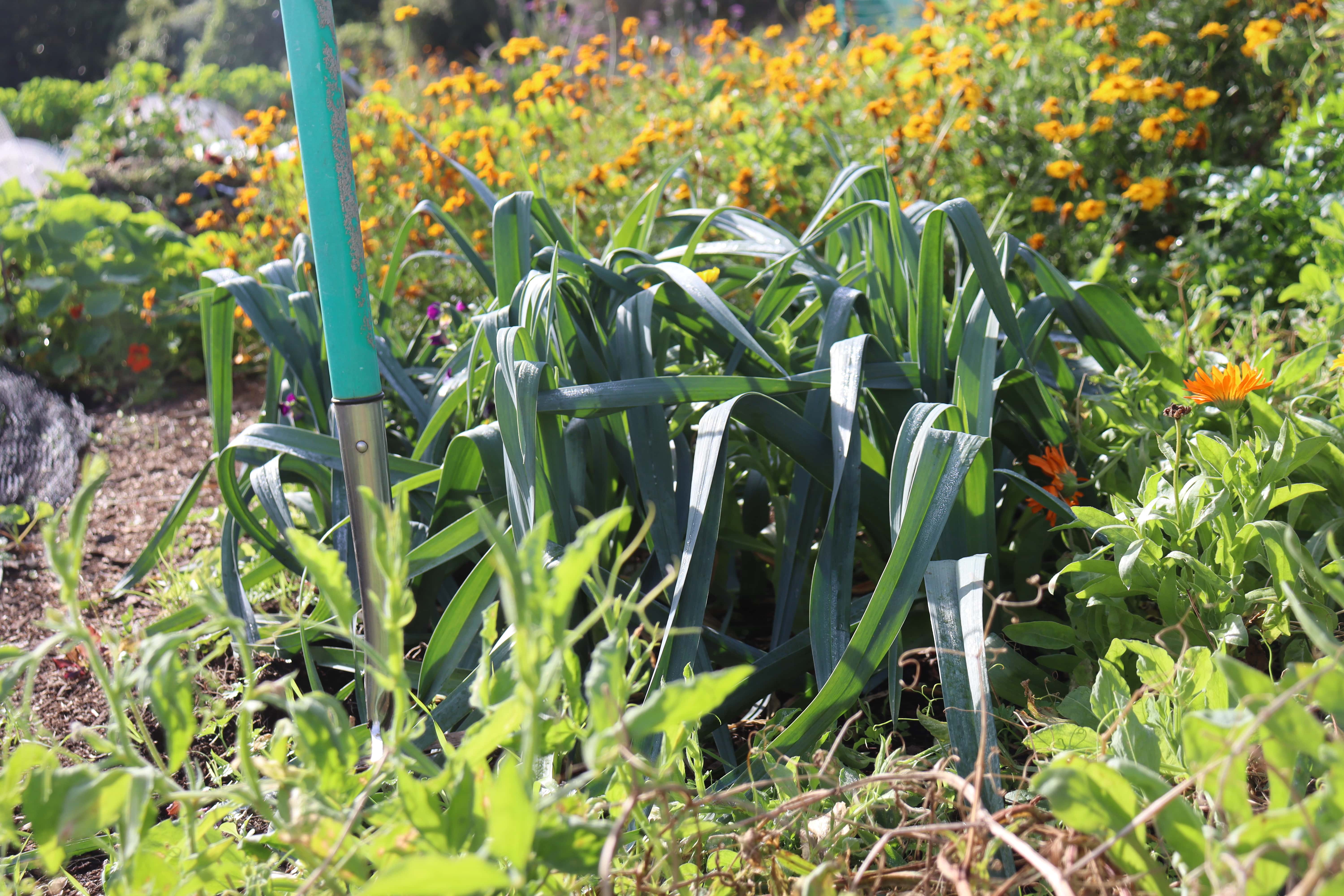
Get leeks up before they start to develop seed heads and a hard central stalk. The roots hold plants tight into the soil, so slide a fork in to loosen things up before levering them out.
Cut the tops and roots off while out in the garden, and pop them on the compost.
Parsnips
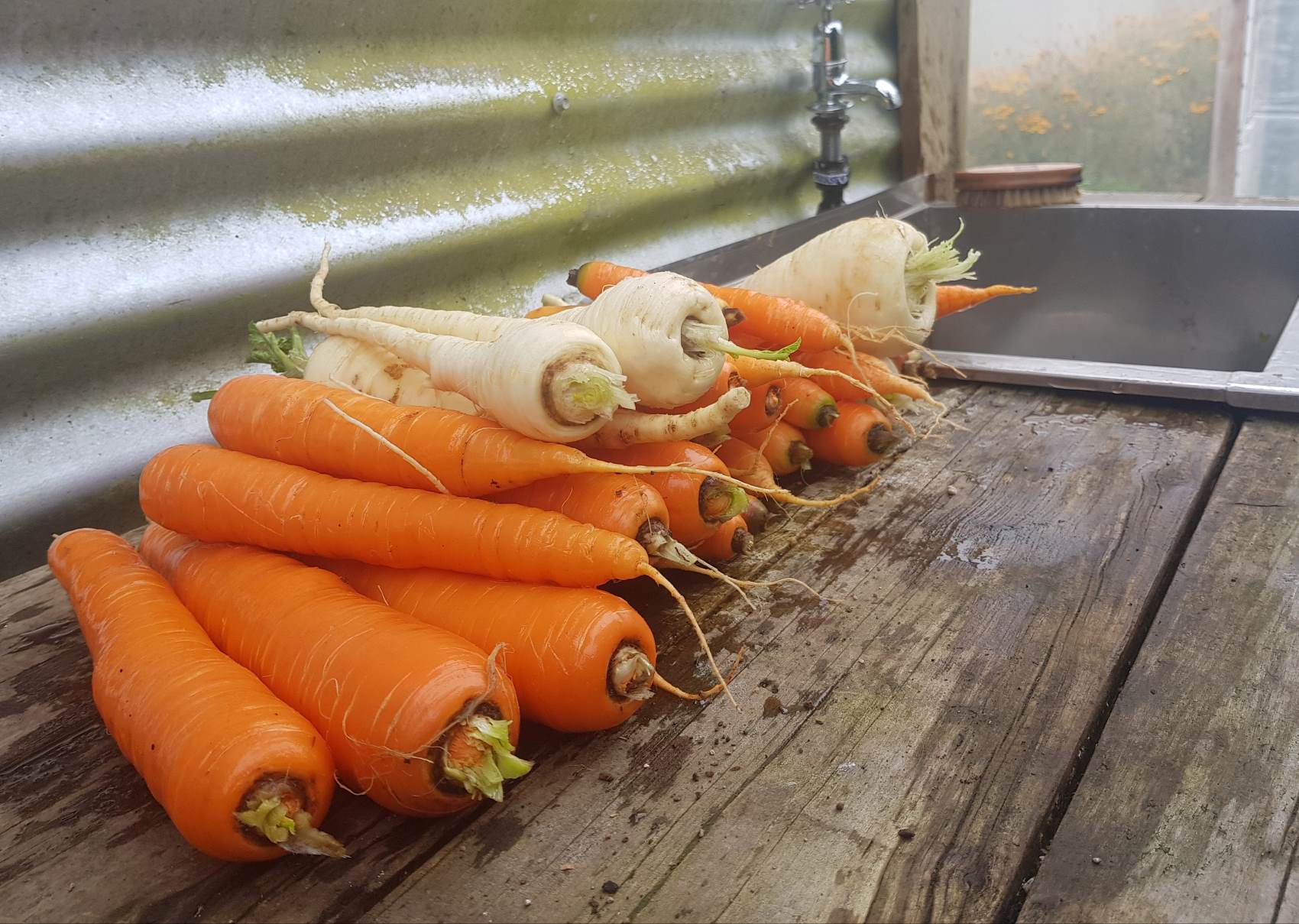
Parsnips are better by far after the first frost, but still lovely in frost free gardens. They can get really long, so in order to get them out whole, first loosen the soil. A forksta is awesome if you have one, otherwise a garden fork slid in alongside.
Yams
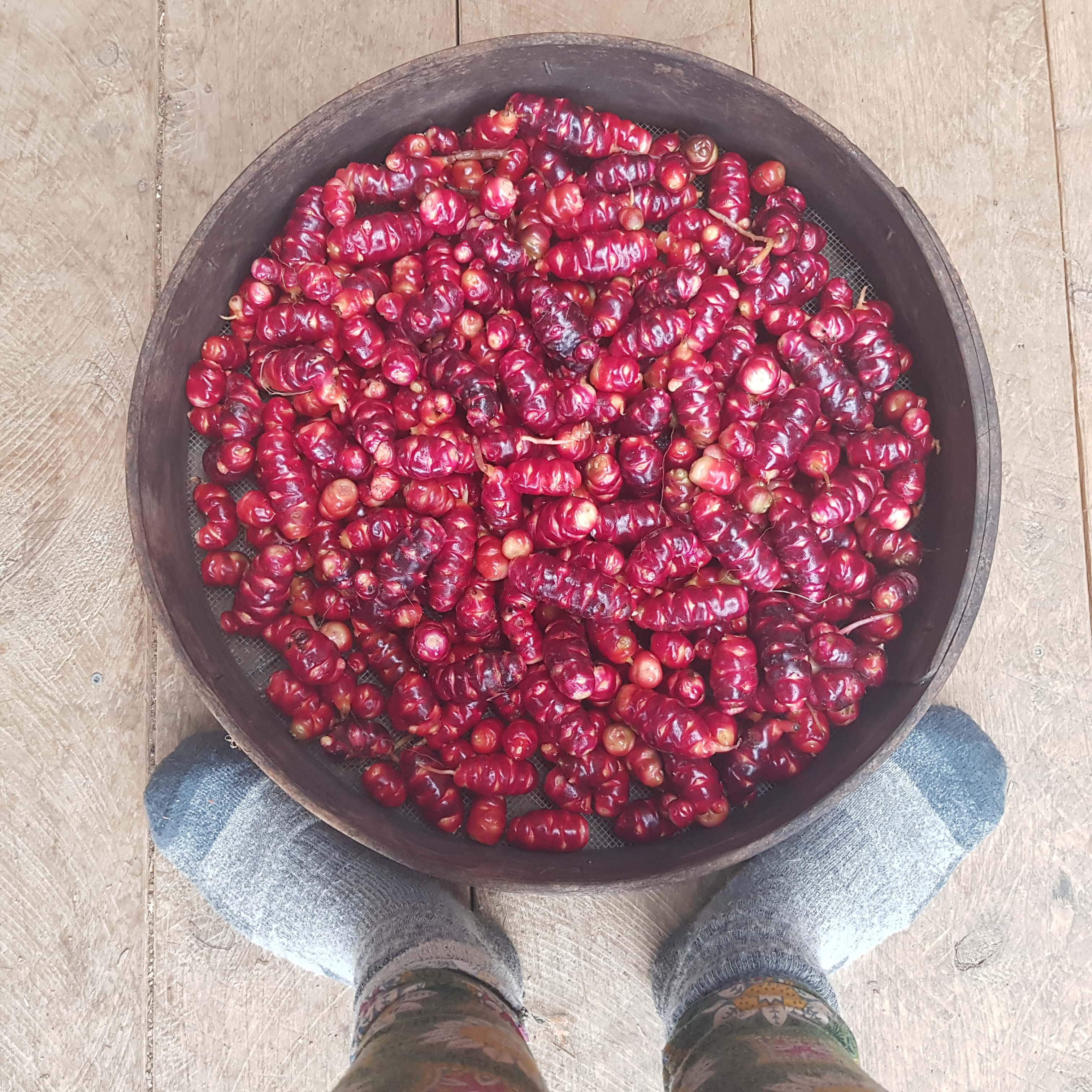
I'm so grateful to yams because they're ready in winter - not busy old autumn. And there's no preserving required either. Just patience.
Yams fatten up threefold in the cold. Guaranteed big fat sweeties after a few frosts and the tops have died off. If you've rushed in to harvest and been disappointed with your crop - it may just be that you were too impetuous, young at heart perhaps. You'll be amazed at what happens in the yam patch after cold. Wait it out, my friends.
Winter Missions
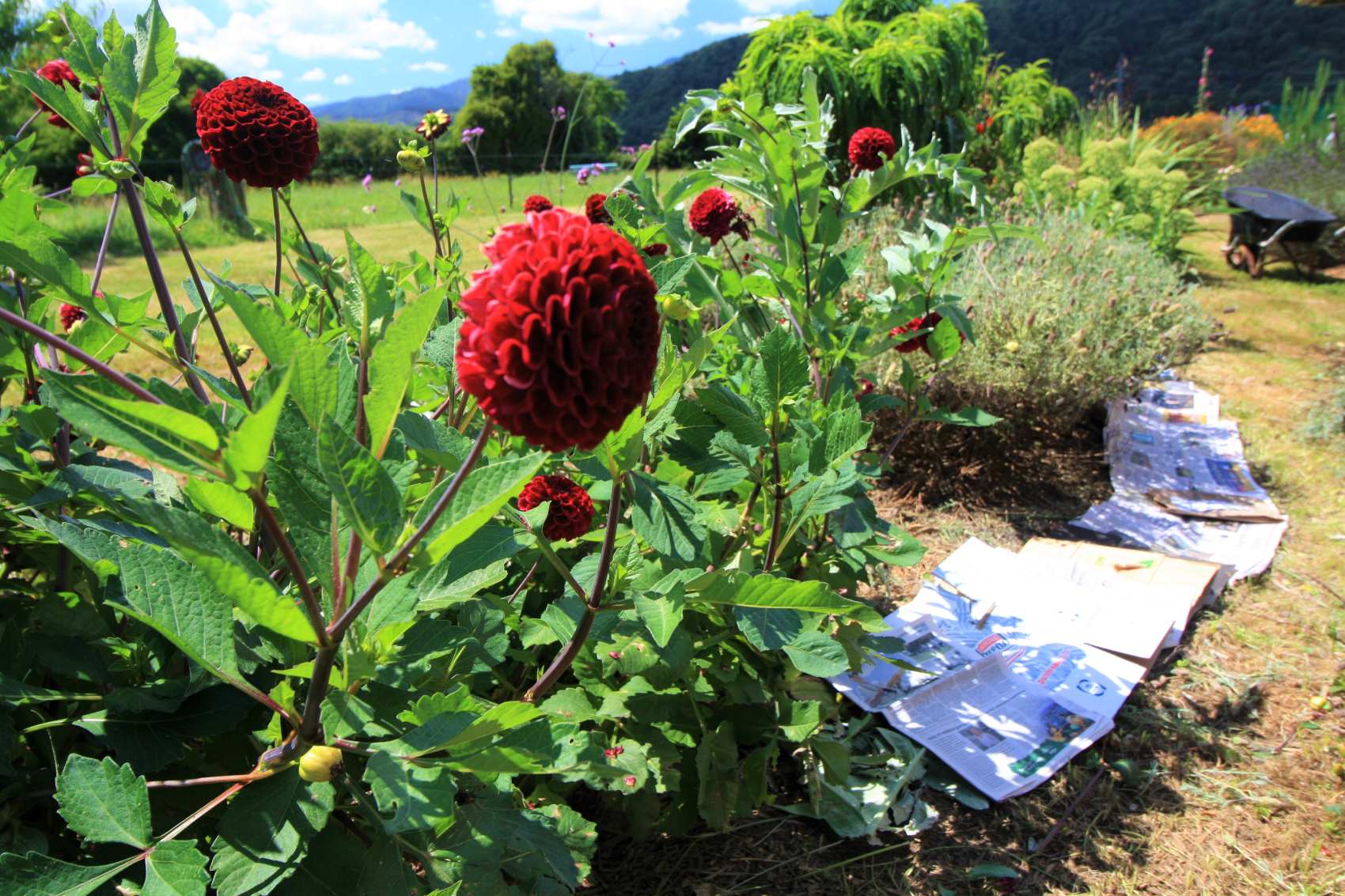
Increasing this perennial area a little more each year by simply laying paper or cardboard on top the grass and spreading a woody mulch. Once the mulch has broken down a bit more it can be planted into.
Winter is a great opportunity for garden improvements. Tick away with it all, slow and steady. Follow the order below - a slow, considered start will get your garden healthy and productive, faster than rushing into the food plants right away.
If you're just beginning a garden, keep your focus on laying a strong foundation, and taking care of the big impact, essentials that make your garden hum. Which starts with getting to know your winter landscape, then moves into:
- making your ultimate tree + plant list,
- clearing out the trees + structures that block light or access,
- sorting drainage,
- creating shelter,
- planting support plants + trees
- making compost + setting up worm-farms
Once those missions are all ticked off, you're into the fun business of choosing where to plant fruit trees, and where to make veggie beds, planting fruit trees and making new veggie beds, and increasing diversity by planting more perennials and trees.
- Clean and sharpen, spades and pruning tools. Once a year is better than never, and sharp edges are a treat! Good for your body, and better for your trees - making for clean cuts that heal fast.
- Prep your asparagus for spring.
The Greenhouse
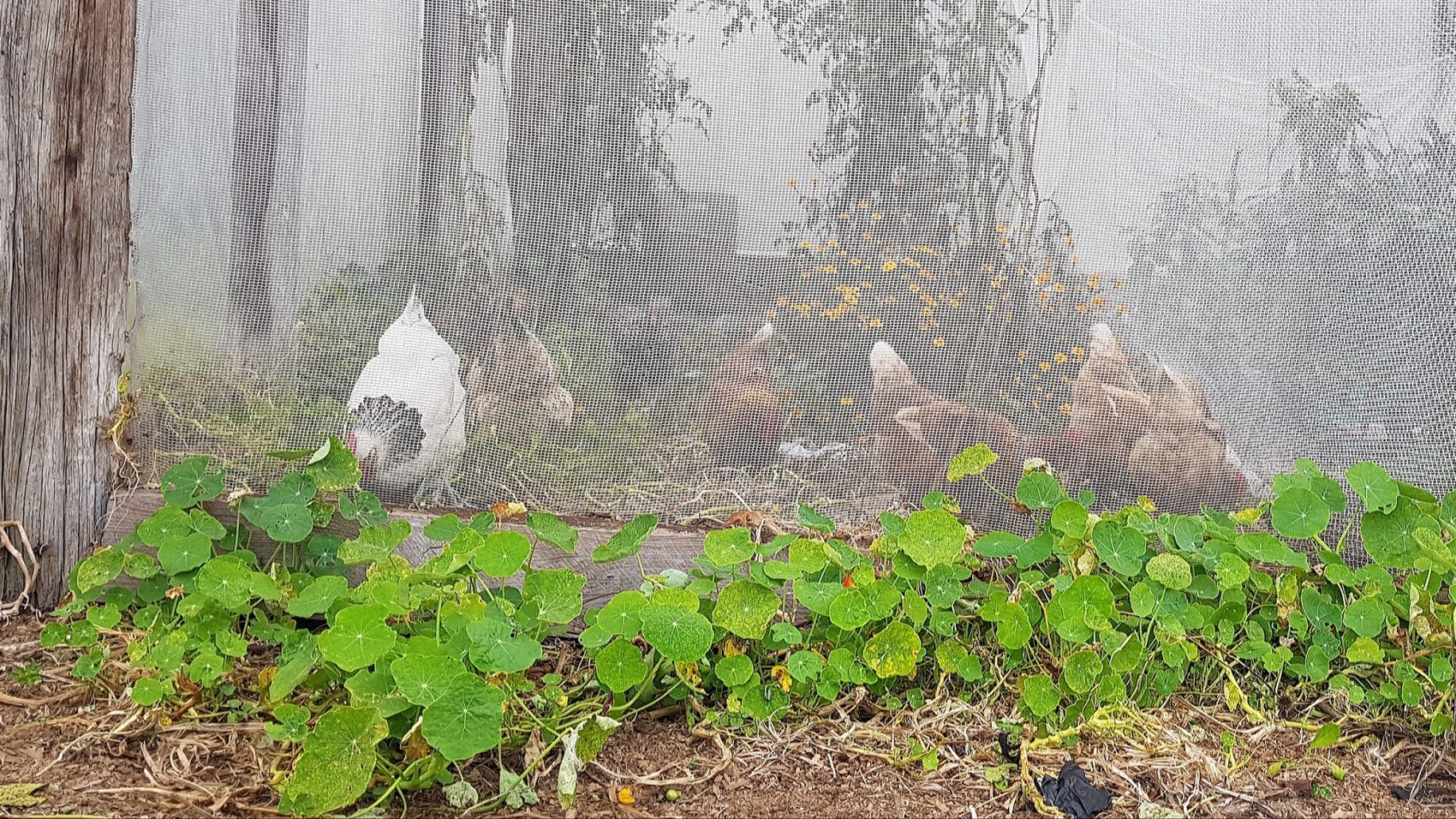
It's the chooks favourite time of year! They hit the greenhouse to clean up greencrops and summer crops, and enjoy the warmth.
Keep your hard working greenhouse soil alive with a diversity of living roots, and by keeping moisture right – don't let the soil dry out! Remove strings and stakes - clear out the old, and set the new in motion.
If soil is dry, and lacklustre, slash down greencrops/ weeds/ old crops - drag the organic matter off the beds.
- water,
- then spread a generous layer of compost and/ or vermicastings (more than on the outside veggie patch),
- then sow a mixed greencrop and/ or crops like spinach, beetroot, celery, coriander, saladings, rocket, bok choy or gai lan.
- scatter the slash back on as mulch.
If soil moisture is good, and there's a lush, mixed living mulch going on – nice job! Chop-and-drop space creating pockets or rows, dollop compost and plant seedlings amongst it.
If you have chooks, let them in amongst it to clean up the weeds and crops, and basically make compost for spring plantings of tomatoes. Secure any greenhouse crops, by screening them off from the chooks behind bird-net. I do this by pegging bird-net to the overhead wires, as in the above pic.
The winter greenhouse is a great opportunity to get chooks out of barren yards and onto fresh, vital ground. Fresh ground is essential for chook health, and the least you can do for your feathered friends.