
Easy Peasy Compost #3: Lets make compost!


Homemade compost is the very best fertility for your vegie garden because its alive, minerally rich and stable. Your plants reflect this by growing steadily + strongly, and the reduction in pests and disease is quite something. Homemade looks and smells nothing like bought - it really is far superior.
And though it sounds like a mission to make your own, its not at all hard, nor is it time consuming. By time you've gone to the shop and bought a bag - you've made a heap! And because I cold compost, there's no turning either, just a weekly water if need be.
My easy peasy process, starts with an efficient setup - read about that here. Go one step further and reduce the amount of compost you need, with a few simple design strategies and garden habits.
Before we make our pile, let's get to grips with the 5 key ingredients that make an awesome compost.
Composting Maths

Stable, mineral rich compost is the end result of micro organisms transforming raw, organic matter. The organisms are the key - they do all the work. Our job is to entice them in with the perfect feed and habitat.
Here's the sum of what they want:
- Air - from a twiggy base, stalky stuff in the mix to create air pockets, air holes in the bin and by poking hole in the finished pile.
- A variety of food - brown (carbon), green (nitrogen), coarse stuff (air + carbon) and fine stuff (heat + nitrogen)
- A good balance of carbon + nitrogen
- A variety of mineral rich ingredients
- Moisture - from fresh green matter, watering and covering the pile
Pretty simple equation, aye. Lets look at each in a bit more detail - the details hold the key.
Air
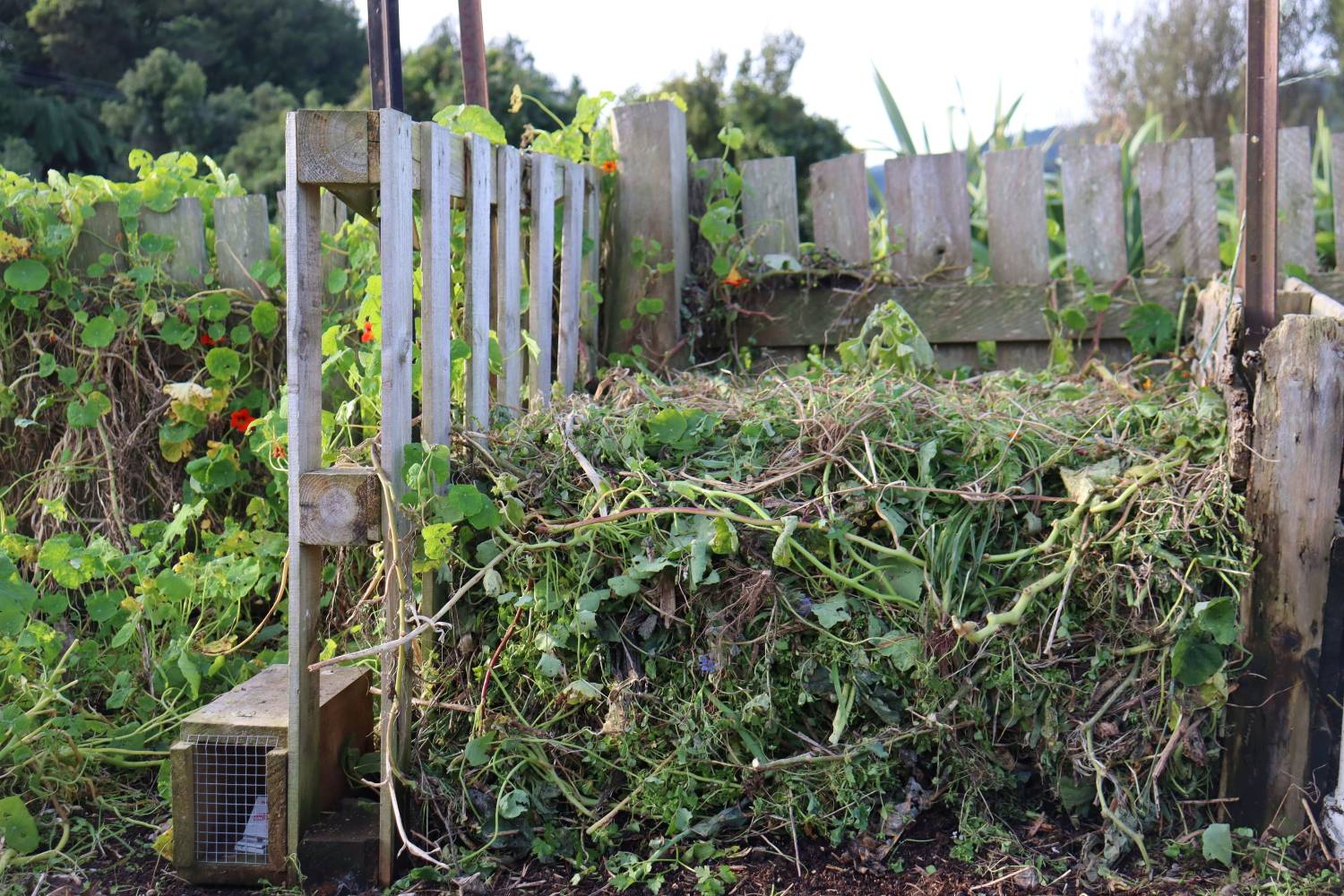
Airflow is key - we want healthy aerobic compost, not putrid, anaerobic goop.
Achieve this in 3 ways - with a bin that's aerated (ie not solid plastic!), a base that creates air flow and by making holes throughout the heap at the end.
A base of twiggy branches lays an airy foundation. A mix of fresh and dry is ideal, but either or is fine.
Dried flax flowers, corn stalks, twigs or bracken fern - whatever you have. fresh twigs are fab because they innoculate compost with beneficial fungi that digest lignin - those tough fibres in the dry/ carbonaceous ingredients. These fungi are essential for an even overall breakdown, and are an aspect that is most missing from home composts.
A variety of food
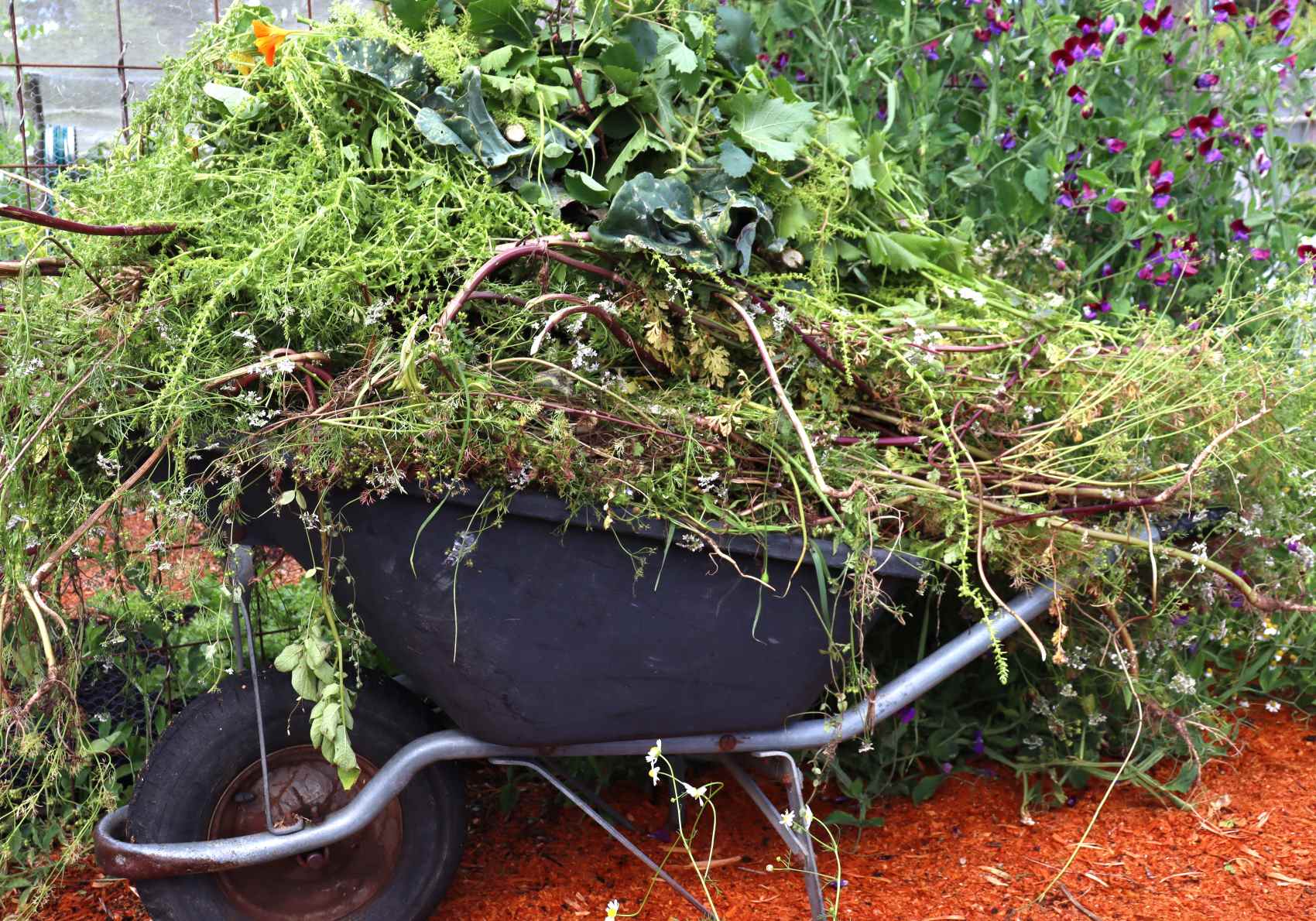
Variety is the spice of life! Different sizes and textures and ingredients bring a variety of biology - the more the better!
Be certain that all the ingredients you use are spray free. Fungicide, herbicide and pesticide residues kill all the biology we are trying to foster.
A balance of carbon and nitrogen
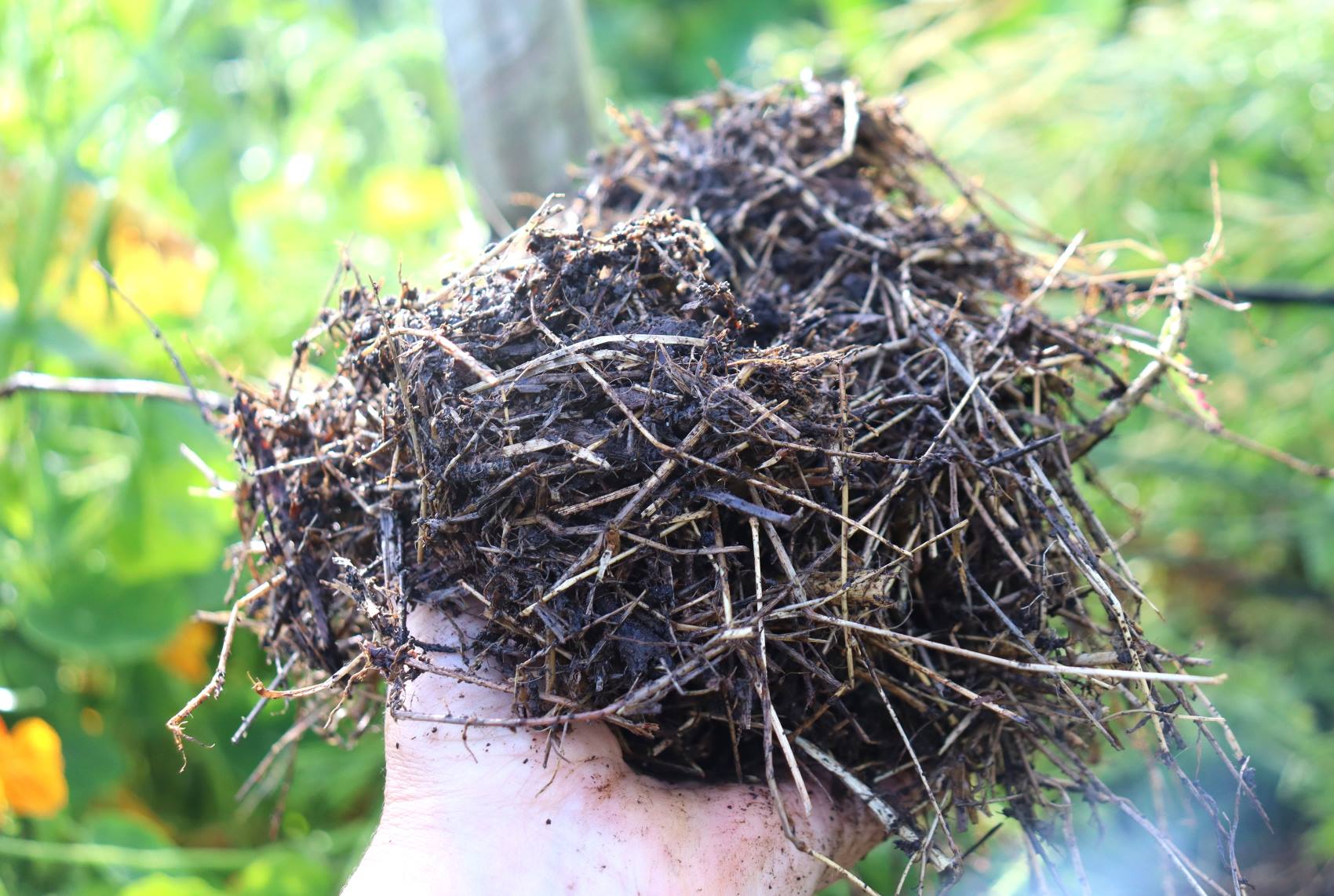
Getting the balance of carbon and nitrogen is key - and its not as tricky as it sounds! This balance is referred to as the carbon:nitrogen ratio. Written as C:N.
The organisms that do the bulk of the work in your compost, thrive on organic matter with a C:N ratio of 25-30:1. This happens to be the C:N ratio of garden waste and weeds! Huzzah!
Use a mix of stems and stalks and dry bits and foliage and juicy green stuff - just like you get after clearing up old crops and weeds. Make this the bulk of your composts, and all will be well.
Here's a list of C:N rations for common ingredients - just to give you a feel for it. It's a good general guide, but of course, the variables are many so dont overthink it.
Chook manure 7:1 Best used decomposed, and sparingly - no more than 10% of your total heap
Cow manure 20:1. Best used decomposed, and sparingly - no more than 10% of your total heap
Seaweed and coffee grounds are around 20:1. Best used fresh
Grass clippings 9 - 25:1 Best used fresh. If the lawn is diverse with stalky dandelions and plantain, and cut when long, the carbon is greater about 25:1, but if it's mono ie one type of soft grass and cut low you're looking at about 9:1
Weeds, crop residue and soft, small prunings are about 25-30:1. Best used fresh.
Pea straw 29:1. Best used decomposed. Don't use non organic pea straw - its full of fungicide.
Leaves and straw are about 50:1. Best used decomposed.
Sawdust is an eye watering 325:1. Best used thoroughly decomposed, if at all. Run this through your chook house and yard to balance it with nitrogen from their manure, or your paths so its well rotted. I'd never add sawdust to a compost, not even broken down stuff.
Keep the balance in an -ish, homemade kind of way by using a large variety of garden waste, and balance out high carbon, by mixing with high nitrogen and vice versa.
Mineral rich ingredients
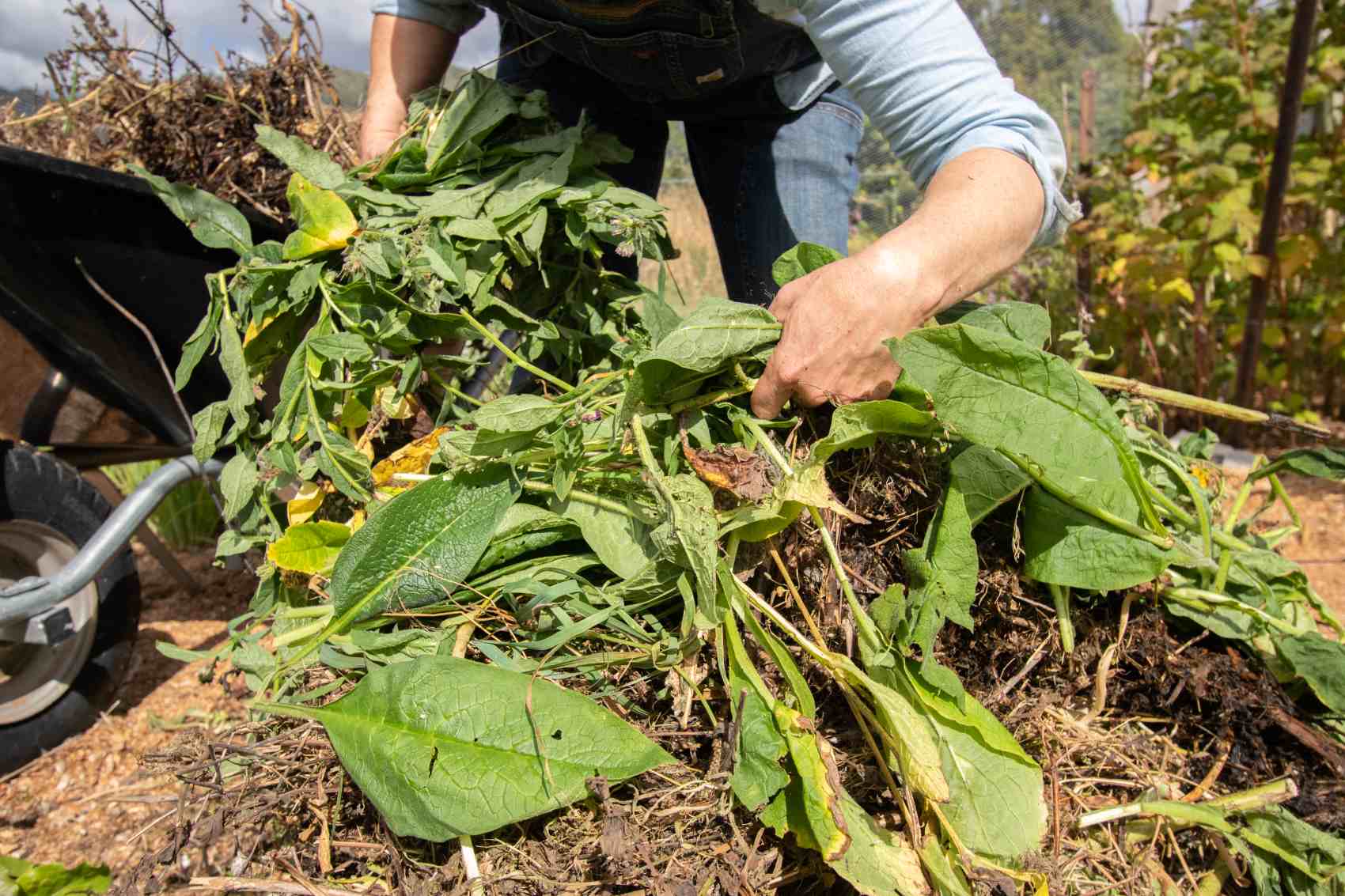
Sources of minerals are everywhere in nature - herbs, leaves, weeds, seaweed, fish waste, food scraps, manure or shells. Include a wide variety of mineral rich ingredients and you'll promote the right kind of biology our soils need to stay balanced.
As for lime - well its tricky. I steer clear of it and focus instead on building soil biology - they'll rectify the chemical imbalances.
Moisture
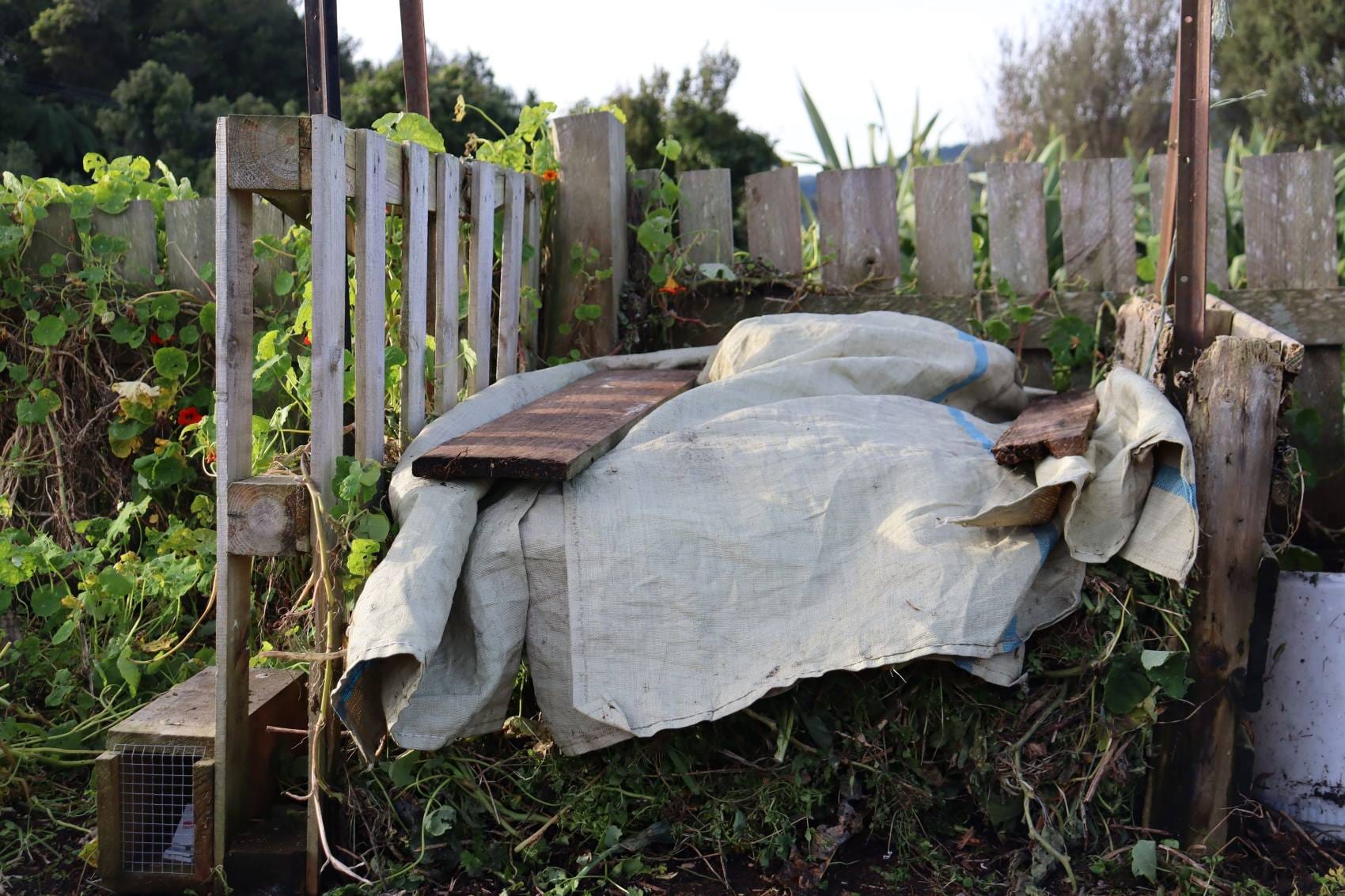
Water each layer as you make it, until its barely moist. Or do as I like to do - and make compost on a drizzly day.
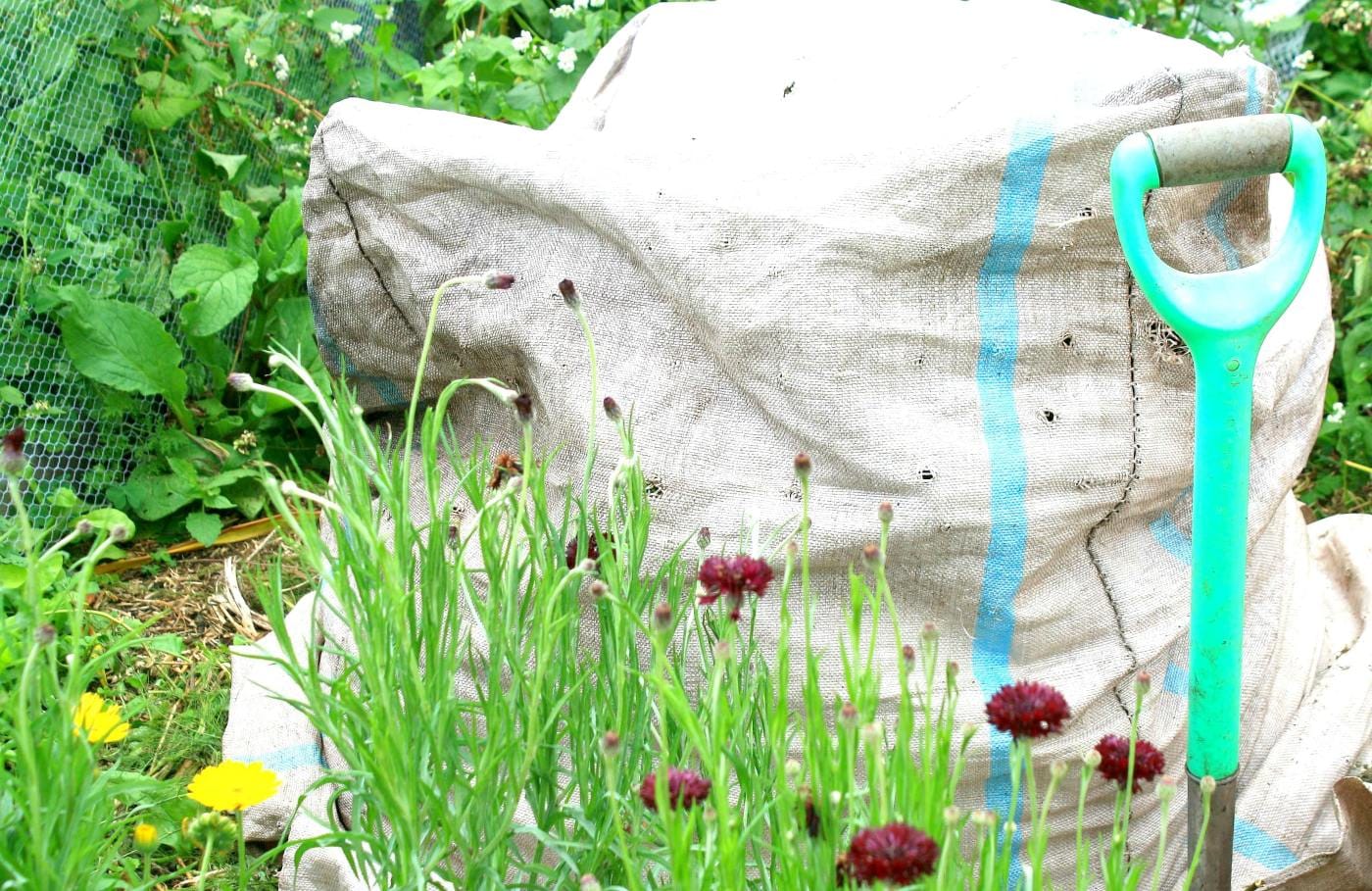
Cover it when its done, to retain moisture and ensure an even breakdown. Use either a thick layer of carbonaceous ingredients, or sacks, or carpet - whatever you have.
Check in on it once a week to feel temperature and moisture levels, and water it as needs be.
Lets make compost!
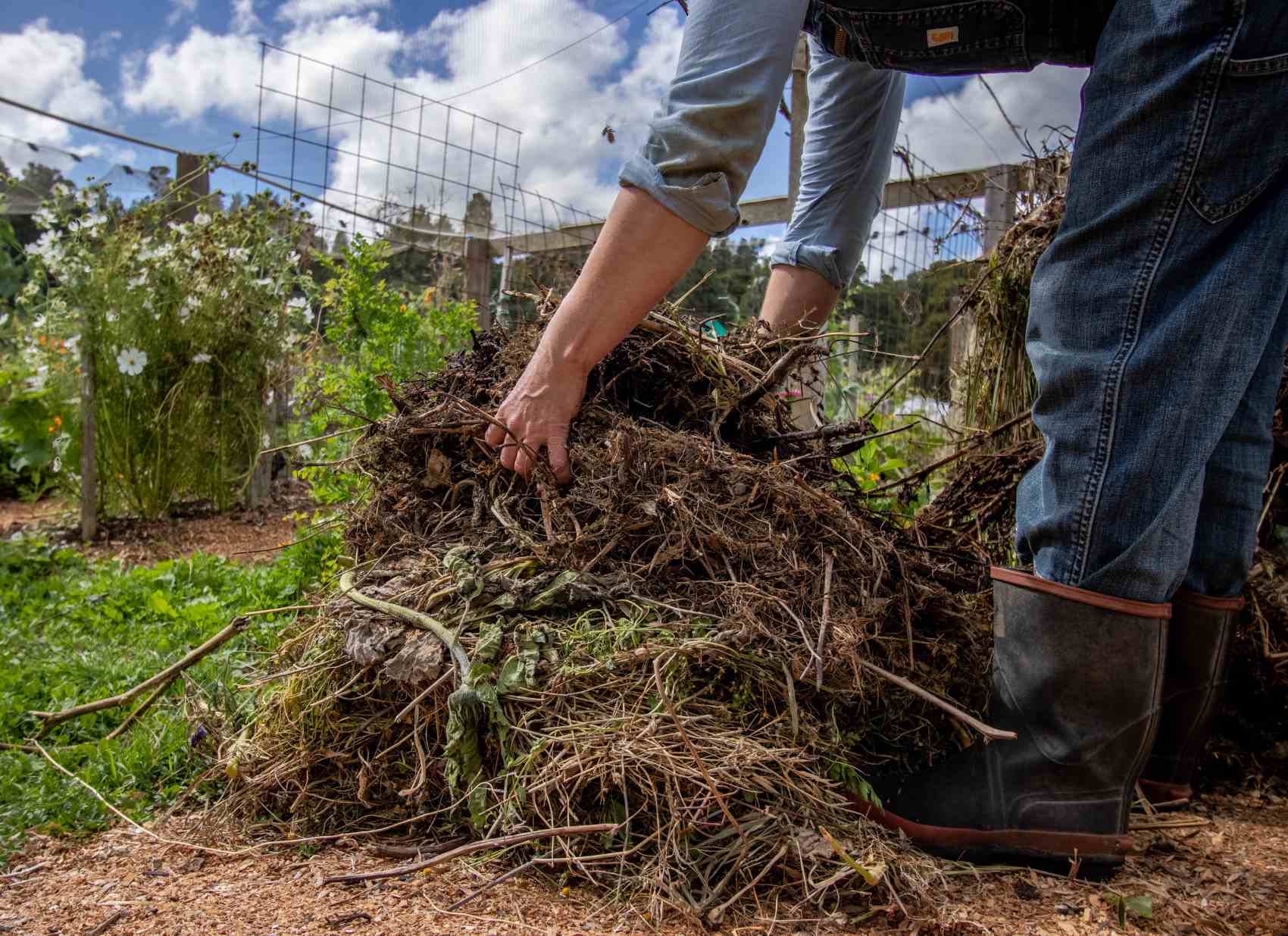
I make my compost progressively. Ideally a heap is made all in one go, but in reality, it takes me a few goes at it. Try to finish your heap within a few weeks of starting it.
Make your compost on the ground - whether in a bin or a free standing heap. Soil contact is key so the biology can move in and out at the different temperature stages.
Gather ingredients by going for a garden wander with the barrow and chop up weeds, old foliage, spent crops, plants that block the paths, adding them as you go. The smaller you chop the better. At a minimum go for about 20cm bits.
Tip your load beside your compost bin and mix it together, and moisten it.
Lay your twiggy base - 5 cm high is a good measure to hang your hat on. Spread it all out to the edges of the bin.
From here, start to layer up your pre mixed garden waste in about 10 - 15cm deep layers. Depending on your mixture of waste, you may need to add in
- a few handfuls of mineral rich ingredients and/ or
- a few good handfuls of decomposed carbonaceous ingredient from your OM stash. Use more than this if there wasn't much stalky/ dry stuff in the original mix, or less if there was a lot. Feel your way - compost is a flexible thing!
As an added bonus, you can at this stage add some biology with a few handfuls of compost or good soil, some dilute raw milk, molasses, or a biological brew poured on.
Toss it together and spread it right out to the edges - be pedantic! You want the top of the heap to be flat, not a hump. Keep layering in this way until you reach the top of the bin, or atleast 1.2m high.
When you are finished, cover it over.
Apart from maintenance watering, there's nothing to do but wait. This is cold composting (as opposed to hot), and its my personal fav because though it takes alot longer (about a year) it retains the beneficial fungi which then spread out into your garden with the compost.
Finished compost
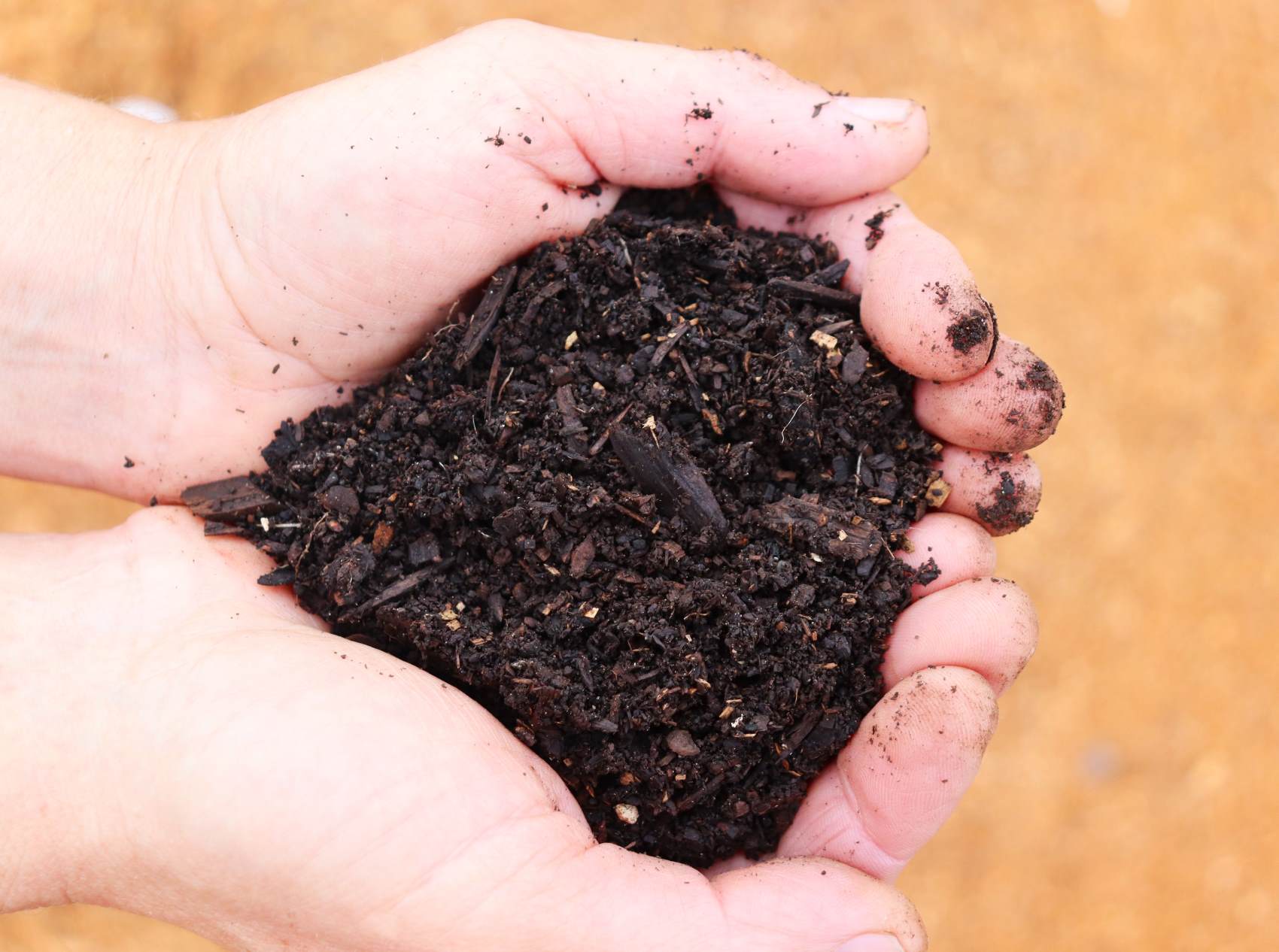
At the end of the year, or close enough to it - your pile will have shrunk to next to nothing. Don't feel ripped off - its concentrated and potent - you only need a little!
It'll smell lovely, be a dark colour and a mostly peaty texture interspersed with some rough bits. Those chunky bits are awesome and likely/ hopefully! covered in fungal threads. Don't expect it to look like the bought stuff - it wont, but by goodness, it'll grow you some beaut vegies!
Make a new heap once a month spring through autumn, and you'll soon be running your garden on your own brilliant brew.
Troubleshooting
If your compost is ammonia smelling and sludgy, its gone anaerobic - there wasn't enough air because you used too much fresh greens + fine stuff and/ or it got too wet. Break it apart. Add lots of carbon and minerals and biology, mix it altogether then re stack it.
If your compost ends up musty, crusty and dry - you've let it dry out and/or used too much carbon. Use it as mulch and start again!