
November in the Vegie Patch + Greenhouse
Focus on getting long-term summer crops in the ground, kumara, pumpkin, yams - get on it!

The most important mission this month is planting out long term crops like kumara, yams, pumpkins, eggplants, and peppers - drop everything else and get them in the ground!
Yams need about 6 months to fatten up, kumara and sweet peppers need 4 - 5 warm months, and pumpkins 4 - 6 months (variety dependant). They all require different degrees of warmth to thrive, so if your place isn't quite there yet, be sure to jazz up some heat for them.
Successional crops
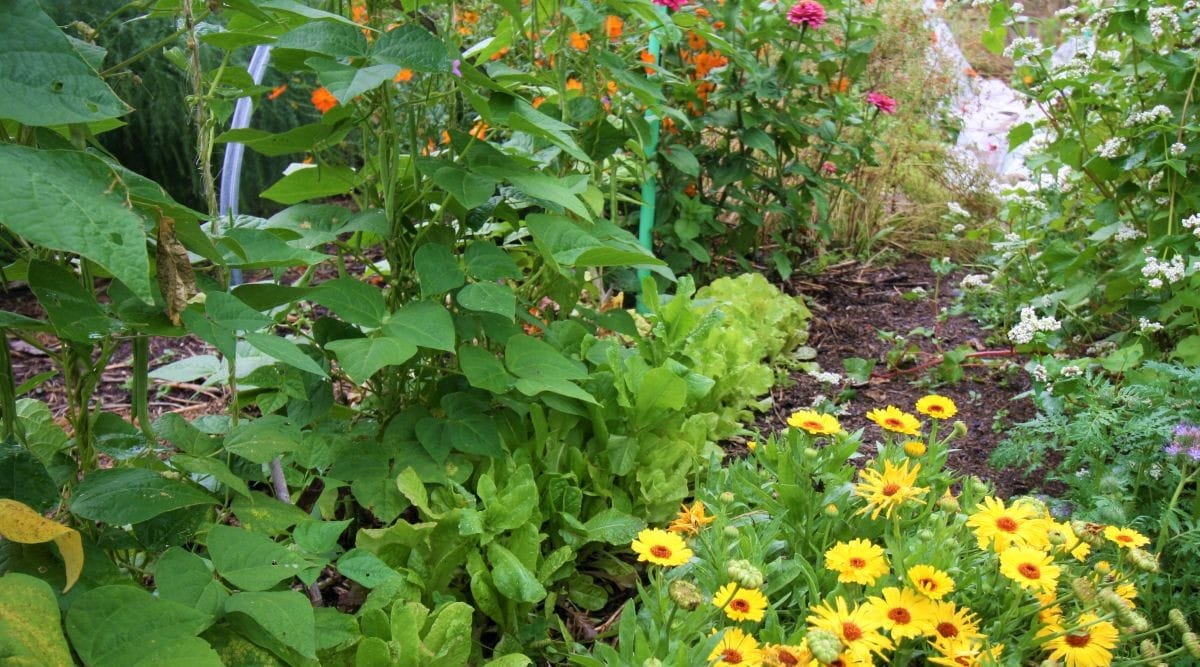
With the long term crops sorted, turn your attention to the successional crops - these are the ones that you can plant little and often to drip feed to your kitchen all summer long. Though not every region can - friends in Dunedin have one window for planting beans and zucchini outside in the garden, whereas in my lower north island garden, I can stagger plantings throughout the summer. If you're unsure, hit up gardening neighbours.
My bottom-of-the-north-island successional plan goes something like this
(* = in the greenhouse)
- a dozen corn fortnightly until end of December,
- one zuchinni, two cucumbers*, half a dozen tomatoes* and a row of dwarf beans, once a month through 'til January
- a couple dozen saladings, beetroot, rocket, coriander, radish and basil*, once a month until summers end
Slow and steady my gardening friends, turns your veggie patch into your veggie shop.
Sow
Direct Sow
- Rocket, spinach, coriander and saladings. Where its hot, grow these tucked beneath bigger crops to cop a bit of afternoon shade. Direct sown coriander and rocket are less likely to bolt to seed.
- Beetroot, radish, parsnip and carrot
- Cornflower, cosmos, phacelia, crimson clover, buckwheat, borage, calendula for living mulches around pumpkins to boost pollination.
Think of your flowers like your crops - a steady succession to keep your garden buzzing.
Tray Sow
- Spring onions, sunflowers, marigolds, zinnias, geums, mignonette
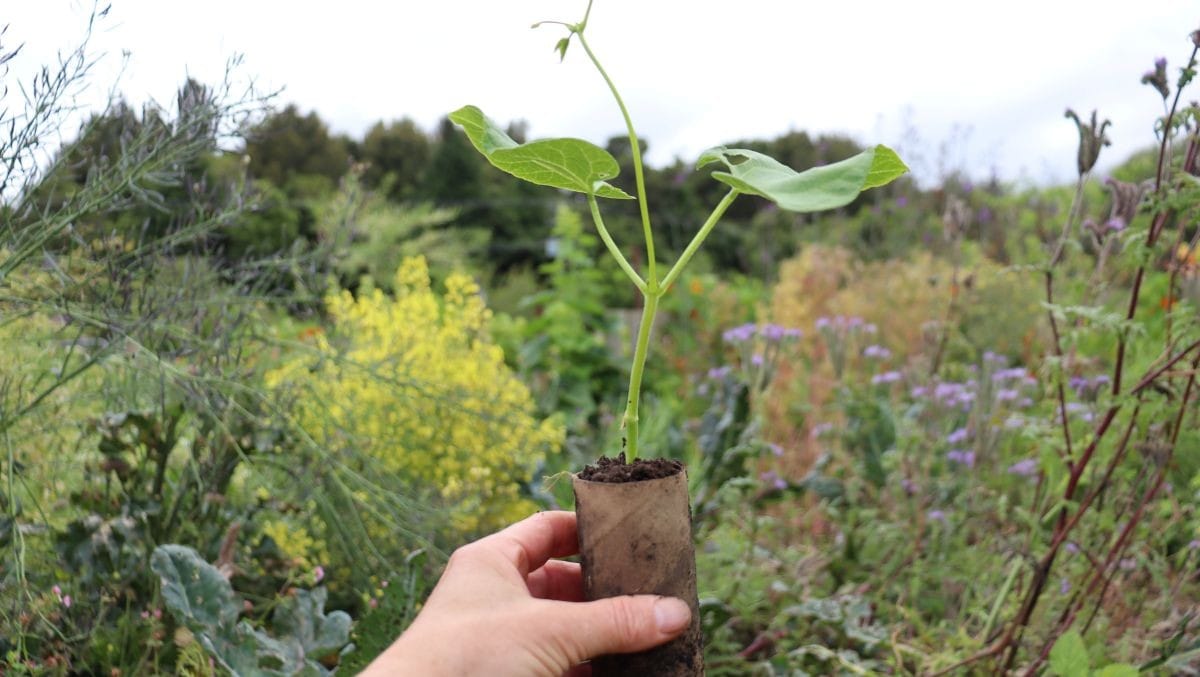
- Dwarf beans, climbing beans, shellout beans, soya beans, cucumbers, zucchini, squash, tomatoes, basil, corn - into warm seed raising mix.
Direct or Tray Sow
- Beans and basil can be direct sown if the soil is warm enough at yours, otherwise tray sow.
Transplant

The soil in my outside vegie patch has only just landed on 15 degrees. A week or so here and I'm good to go for transplanting bean seedlings. Add a few more degrees and zucchini, cucumber, corn, kumara and pumpkin will be in their happy place and thus, grow like billy-oh. The right temperature makes all the difference!
- Globe artichokes
- Red onions, spring onions, potatoes and yams
- Saladings and leafy greens - in the afternoon shade if its hot and sunny at yours
- When soil reaches 18 -20° pumpkin, kumara, corn and beans can finally hit the ground
- Plant tomatoes, basil, soya beans, peppers, chillies, aubergines, zucchini, cucumbers, marigolds and melons into toasty warm soil whether that's outside, or in the greenhouse.
Garner more from your space than you ever thought possible, by planting new seedlings beneath established crops. In this way you get a bit more harvest from the older crops while their young replacements get ready to take over.
Regular + odd jobs

- Get in the habit of a daily wander to squash pests, chop and drop, whip out the odd weed, check in on new seedlings and oversee plant health.
- Weeds get going in earnest! Sort the weeds in your veggie patch quickly weed, smother with mulch or plastic, or chop-and-drop. Don't let them get away!
- Pay special attention to young seedlings. Youngsters need extra care in this regards - keep them growing strongly by managing weeds, slugs + snails and vigour.
- Perpetual beet, winter saladings, and parsley are heading off to seed. Let some of them go to feed the beneficial insects on the way to providing a new generation of plants for you late summer.

- Check root crops to see whether or not they need a thin. I leave beetroot and onions in little groups of 3 - 5. Carrots and parsnips I like to thin progressively as they grow - starting with a scant 1cm between seedlings. They grow better by far in community, especially while they are small. I do a quick pass over every now and then, and thin for a little more space each time.
- Check your garlic. Dig one up to see if its forming bulbs, and harvest is nigh. Fresh garlic - hurrah!
- Protect potatoes with insect mesh if psyllids are an issue.
- Set up robust frames for tomatoes and beans.
- Forage for OM (organic matter) such as cardboard, spoiled hay, manure, seaweed… Chances are your stash has dwindled with all the spring plantings.
- Make a compost pile (or four!) with all your spring clean up. Such lot of ingredient about right now. There's nothing that will get your garden humming, like your own compost.
- If you are growing spring brassicas, here are my cabbage white butterfly free ways.
Give your seedlings the best start

A strong start makes all the difference.
- Plant robust seedlings - a puny two-leaf seedling = too vulnerable! Leave seedlings in their pots until they are sturdy enough and their roots fill the container out.
- Make the transition from the cosseted world of the pot to being planted in the garden a gradual one. Leave seedlings outside in their pots for a few days and nights to get acclimatised.
- Shelter them if the weather is still up and down at yours by planting amongst greencrops, or beneath older/ nearly finished/ heading off to seed crops.
In the greenhouse

A greenhouse is a high-stress environment, all that plastic and heat makes it so. It needs a bit of TLC to get through the summer. Start it off strong with healthy seedlings, best compost + worm-castings, and a living mulch for glorious soil and moisture retention that keeps plant immunity + production high.
- Leave a bit of wild in your greenhouse to provide an ongoing living mulch - the very best soil conditioner! Sow greencrops/ companions in every gap and let them flower away to entice the bees in. I use nasturtium, borage, mustard, lupin, African marigold and shoofly. Chop them back when they encroach on the crops, and drop on the soil as mulch.
- Keeping an eye on soil moisture becomes top priority - not too wet, not too dry - just right!
- Pruning tomatoes begins. I prune mine as single leaders because I am growing my toms up strings. Removing laterals while they are soft and young is the way to go to keep toms healthy.
- Prune cucumbers if you are growing them up strings or along a frame