
How to deal with slugs and snails

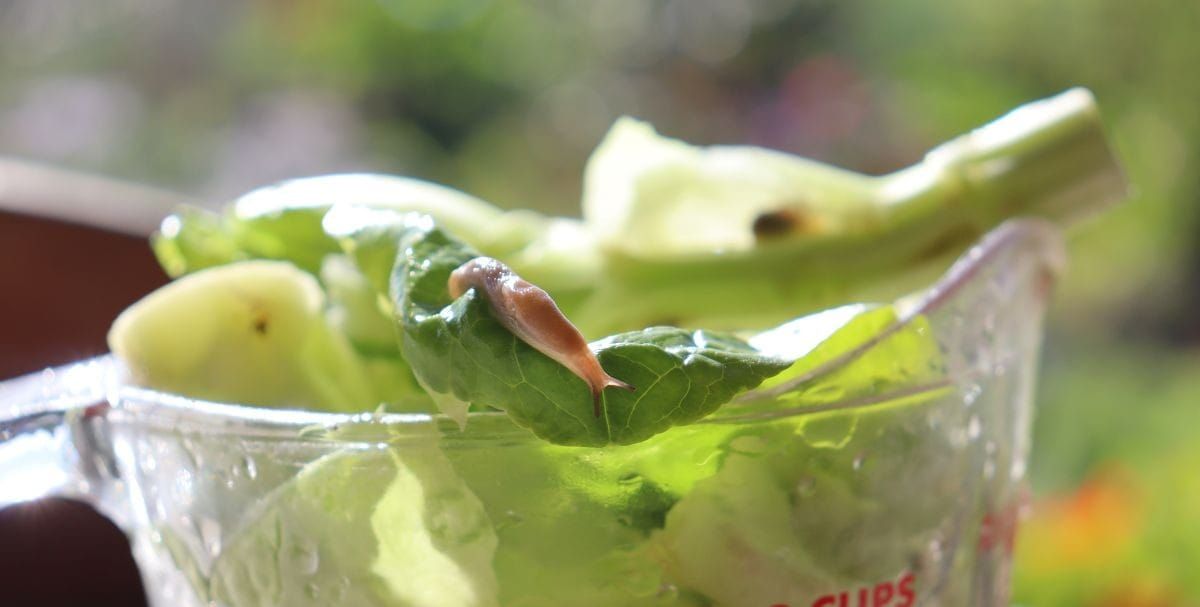
For the longest time slugs and snails perplexed me. Having tried all the tricks and found them wanting, I relied on Quash (iron + bran) the most natural, cost-effective bait I could find, and night hunts. Head torch on and bucket of limey water into which the molluscs go to frizzle. Such a lot of admin!
I wanted to leave nature to sort the slugs in the same way I could leave nature to sort aphids. And I really wanted to stop with the Quash. So, I set-to to learn about molluscs. Turns out they have loads of predators, and the particular form of iron in Quash is damaging to many of them.
Predators
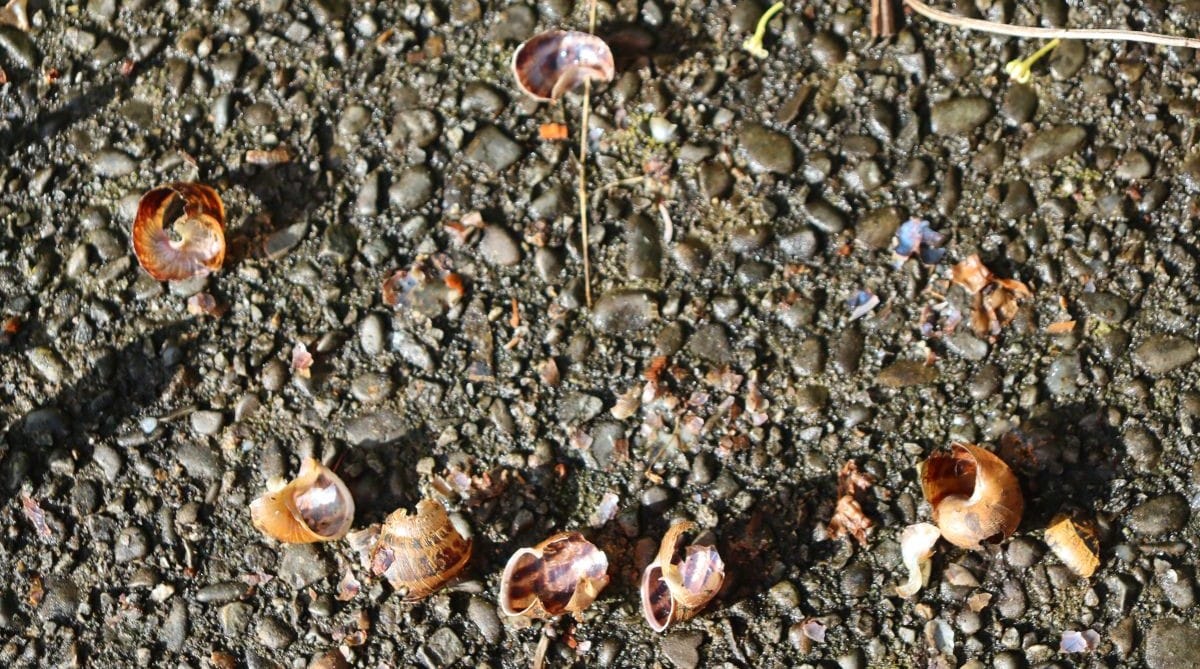
Many of the familiar predators - frogs, hedgehogs, thrushes, blackbirds, and starlings, are generalist eaters that help our cause, but aren’t enough considering the sheer volume of molluscs in a garden. Add mice and harvestman to the list - surprising, but true. And let’s not forget ducks, but not everyone wants, or can have ducks.
Cannibalistic slugs and snails surprised me – and added another argument against slug bait. Those freaky large leopard slugs look like they could eat a whole cabbage, but they eat slugs!
But the great hunters of the day are tiny nematodes and mites that parasitise molluscs, and ground beetles that straight-up eat either slugs, or snails or both.
Beetles need long grass, living mulch, compost or a generous diverse litter to live in. And here we get to the heart of the matter – where is the deep woody leafy mulchy litter? Gone, because it supposedly harbours slugs. Gone with the leaf blower and rake and off to the tip because its messy. This ancient, essential habitat and nutrient cycling space has been tidied away. We've mistaken the outside for the inside. Vacuum the floor - yes, please, but let’s stop vacuuming the ground.
Myth-busting
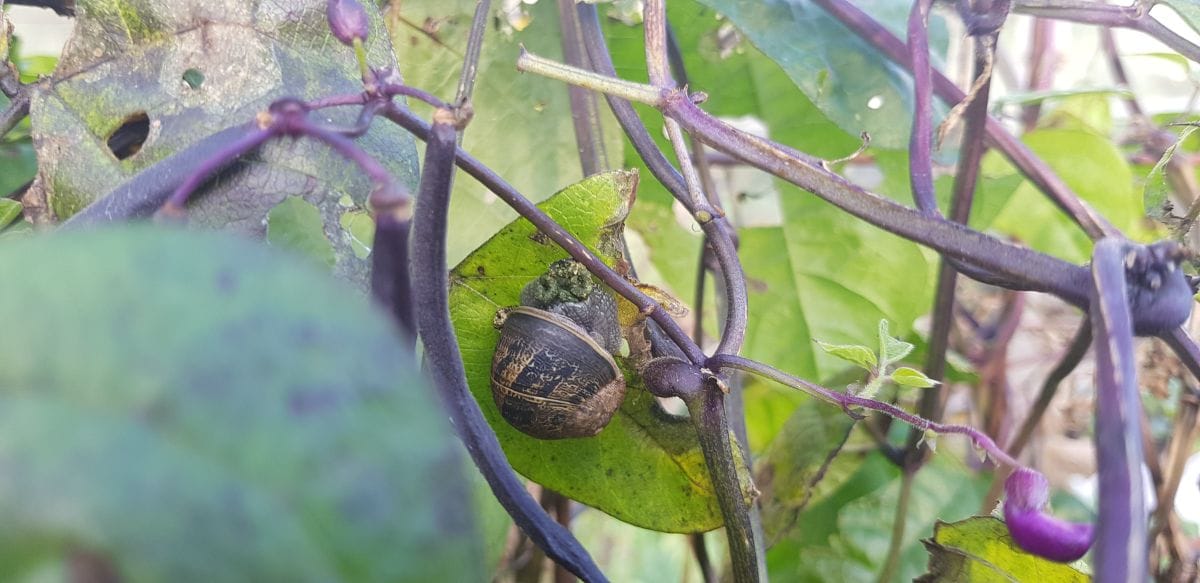
Fresh plant matter only makes up a small portion of most molluscs diet, they prefer vegetation that's on the decay, seeped in fungi. Apart from the grey slugs that is, who are fresh shoot gobbling monsters.
Or are they? Does the same apply to grey slugs, as for aphids – overfed plants that run with simple carbohydrates are the ones that get eaten?
Most slug and snail strategies have paved the way for molluscs to rule unthreatened. Remove the mulch and save the day! Perhaps not, when the mulch itself is dinner for snails, and home to many of their predators.
Natural solutions
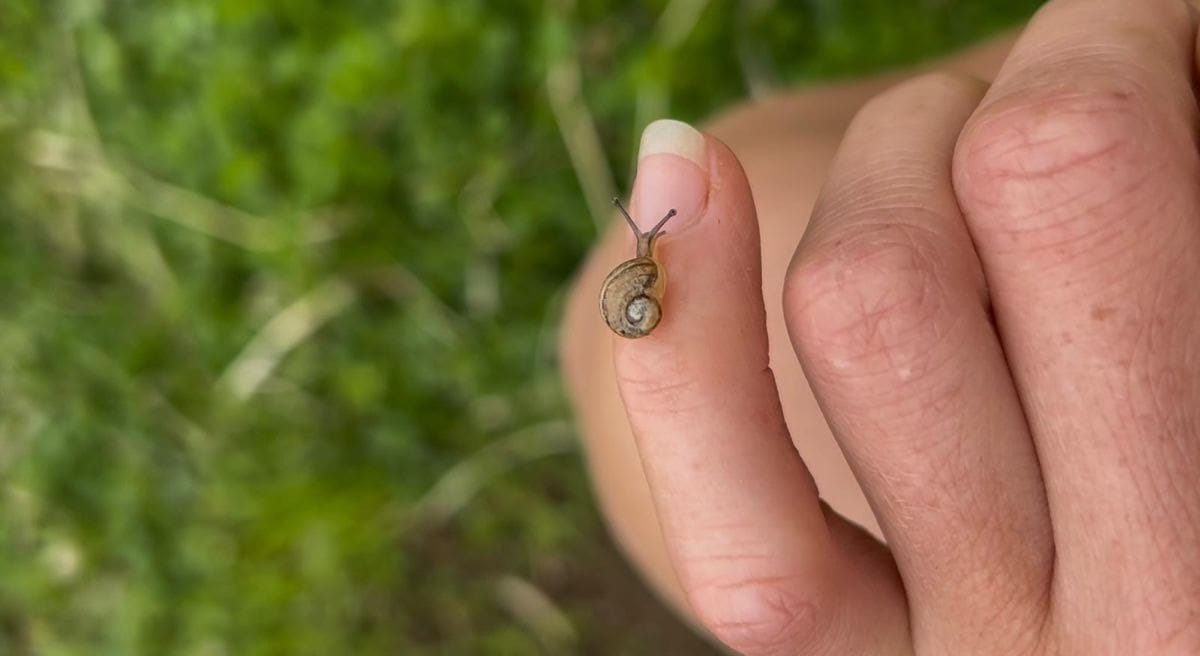
This much I know: the less I ‘feed’ my soil and the more complex my living mulches become the less slug and snail damage I observe, even though there are slugs and snails about. Balance in nature isn’t about less pests, rather its more predators, and more life. Diversity, as always, is the key.
Be on the job in spring when populations rise, and go on a few evening hunts. Plant larger seedlings, set beer traps if you must, but let’s lay off the bait.
Leave leaf litter, let grass grow, keep mulching but most importantly, stop being afraid of life – celebrate it!