
Soil Preps for Heavy Feeder Crops

Heavy feeders are called heavy feeders because they are hungrier than light feeders. It's not that they need piles of fertiliser, what they need, is just enough... steady, not boom and bust. Overfeeding is, long term, perhaps worse than under feeding.
Today is all about how much is enough. Use my baseline to get you started. You'll soon see with your own eyes, what works best in your garden, and create your own measure.
Heavy feeders are: alliums (leeks, onions, garlic), brassicas, cucurbits (cukes, pumpkins and zukes), tomatoes, sweetcorn.
Check your soil first
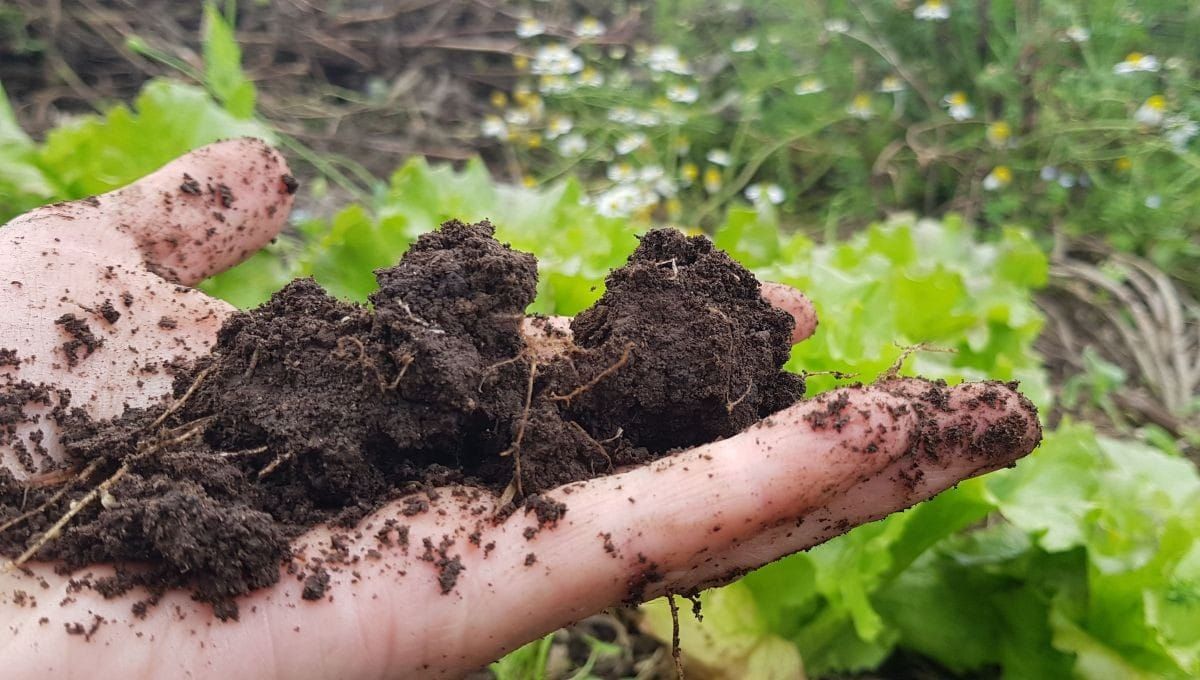
Start with your DIY mini soil test. It's quick, and eliminates guessing. If the soil in the vegie patch turns out below par, add compost and/ or vermicastings. If you have none look outside the vegie patch - never mind if it means planting vegies in other gardens, follow the good soil.
Aerate - free compaction
If your soil is compact you’d do well to aerate it first. If you cant push your hand into it, your seedlings wont be able to spread their roots either.
Soil needs lots of air pockets throughout, in order to perform at her best. Aerating literally breathes life in - what a difference! As roots fill the space, the soil microbes come. Together, roots and microbes eventually take over the job of aerating the soil. Until then, you're up.
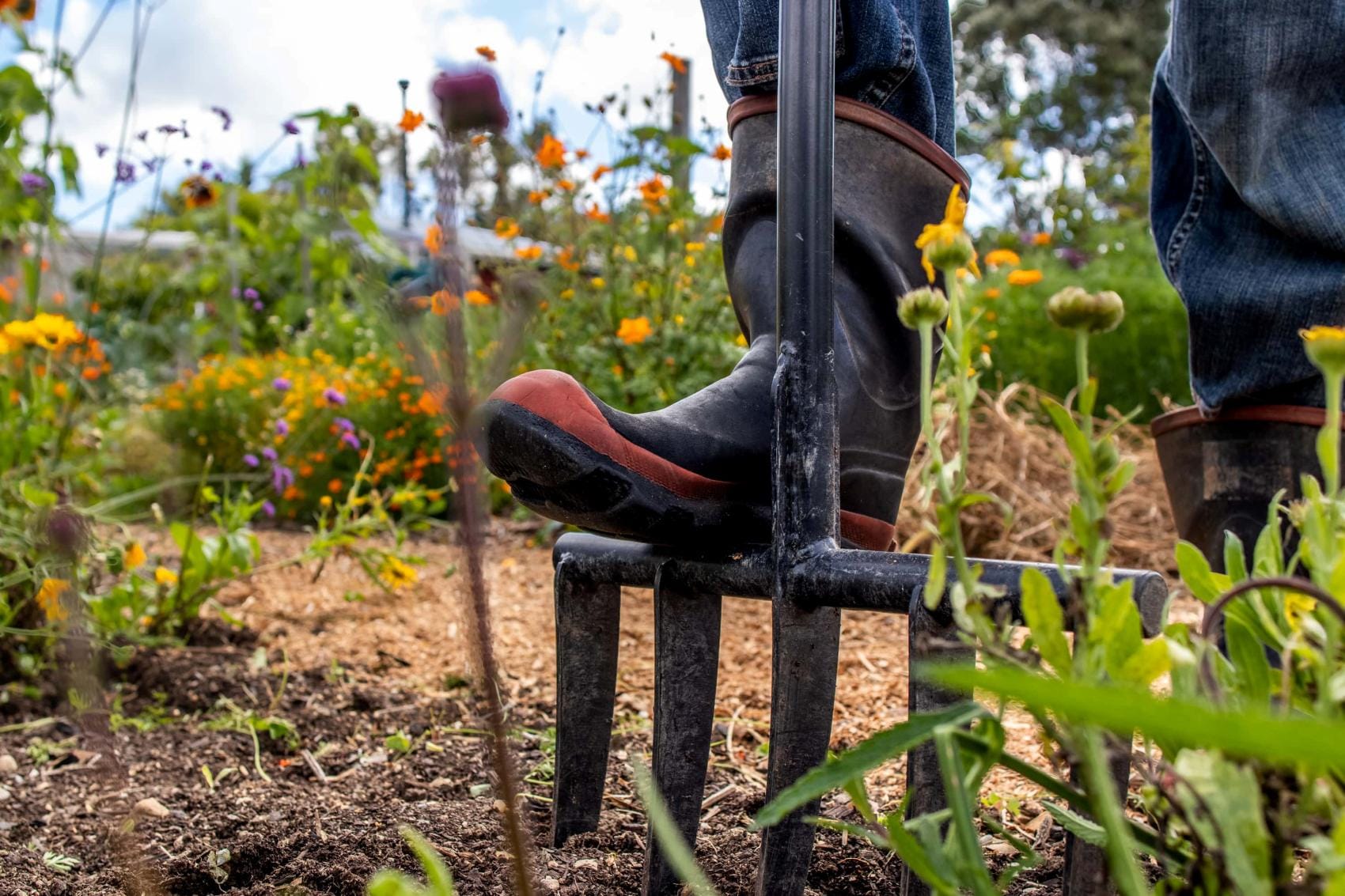
- Start at one edge, slide in your garden fork (or this super cool forksta), as far as it will go
- Pull it back towards you, to crack and slightly lift the soil.
- Slide the fork out and continue along in a pattern that stops you standing on the newly aerated soil.
Spread compost
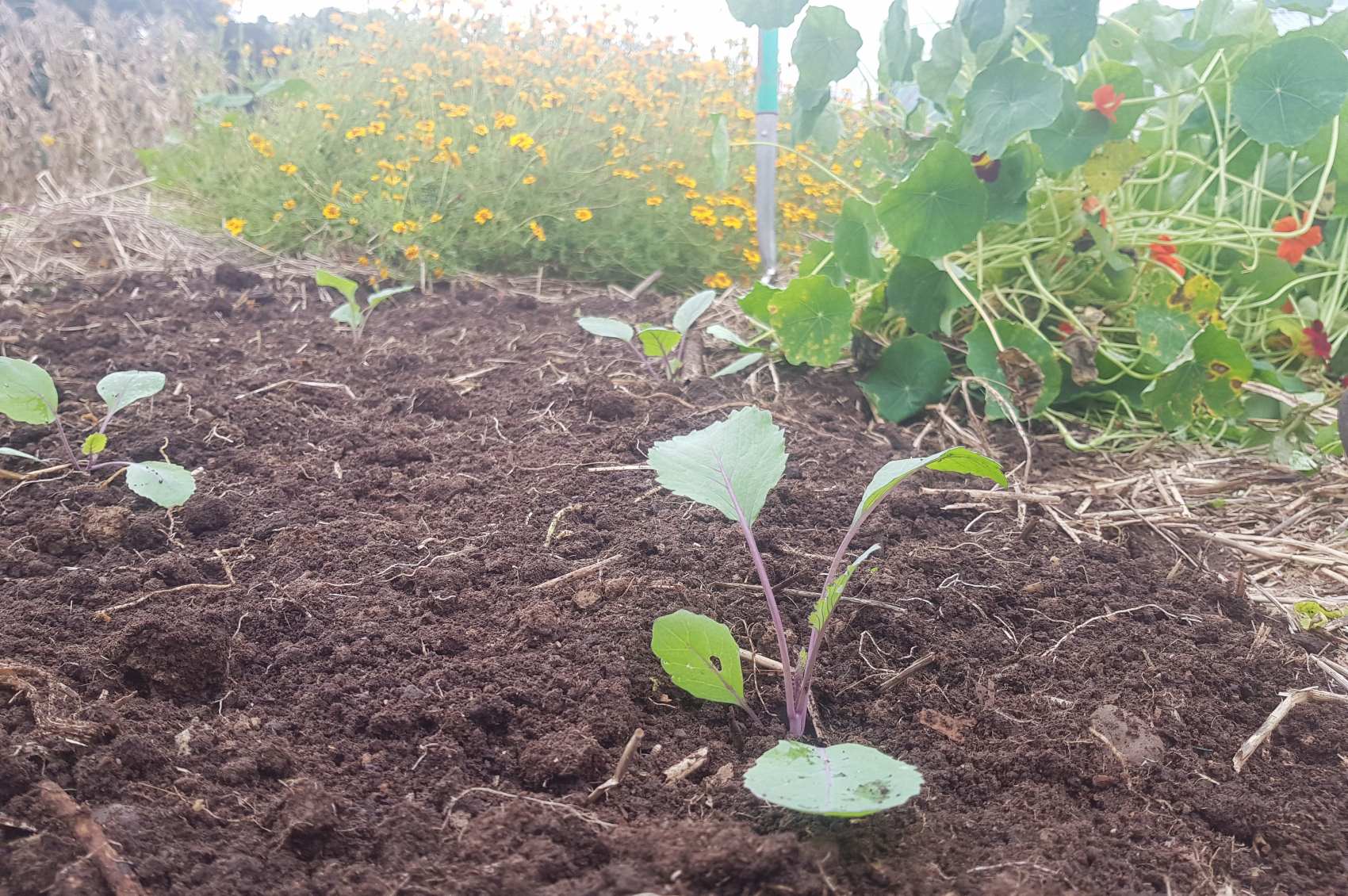
Homemade compost is what your soil needs, whether on clay or sand or somewhere in between - spread a fine layer over the area you want to plant up.
- If you don't have enough on hand, mix in vermicastings, cheats compost or a good bought compost.
- Still not enough? Instead of spreading compost over the entire bed, add compost with each seedling and sow a mixed greencrop in between the seedlings.
Pre soak seedlings, pre soak the soil + plant
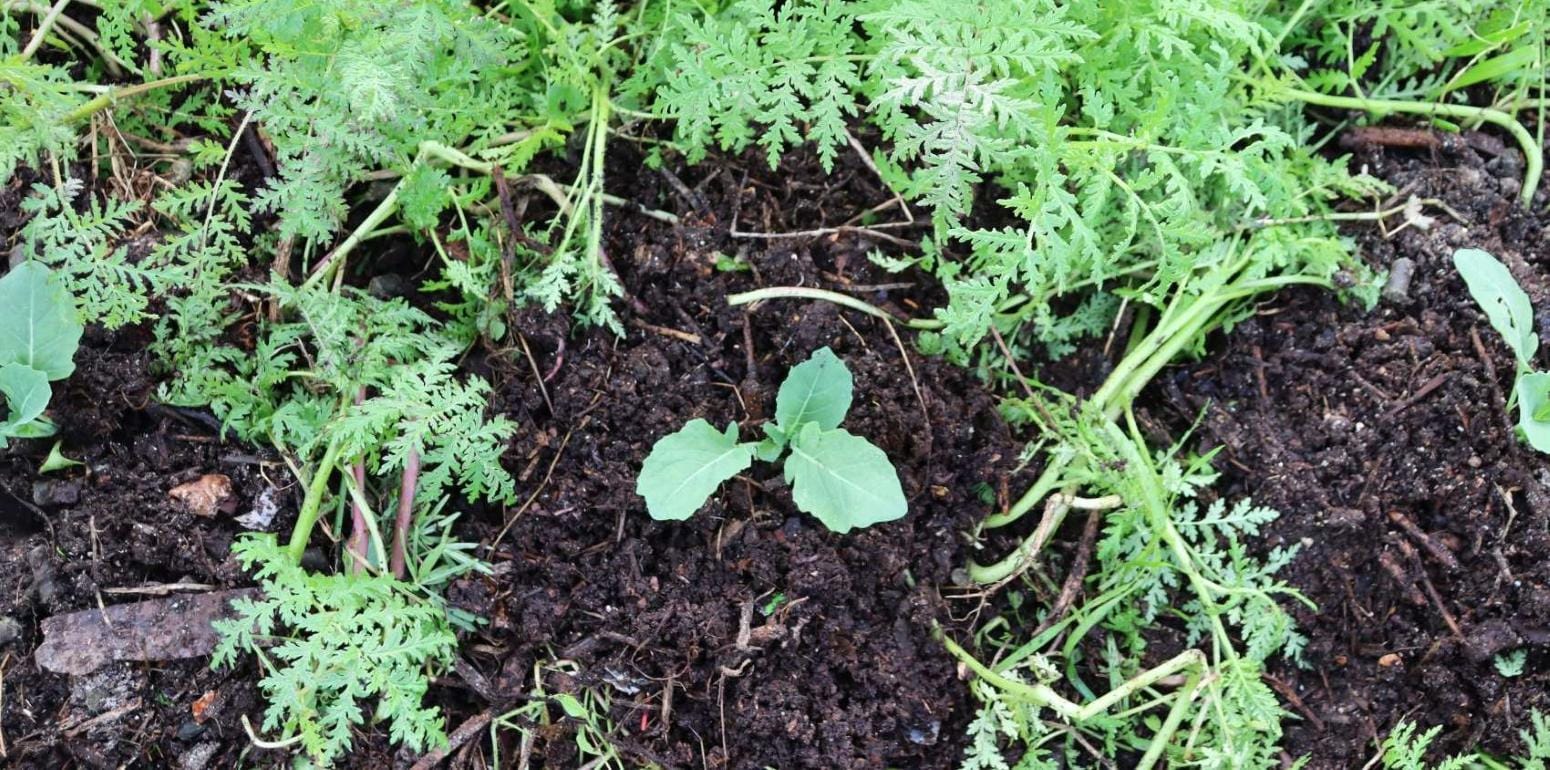
Prep the seedlings by dipping the tray in water. You can, if you have it, add a weak amount of seaweed, comfrey or worm wees to the water.
Prep the soil by watering it until its properly moist. Plant your seedlings with - if you have them - some vermicastings, a brilliant all-round tonic.
The cherry on top is to water them in with a biological feed or liquid seaweed, or activated compost tea.
Mulch - homemade or living.
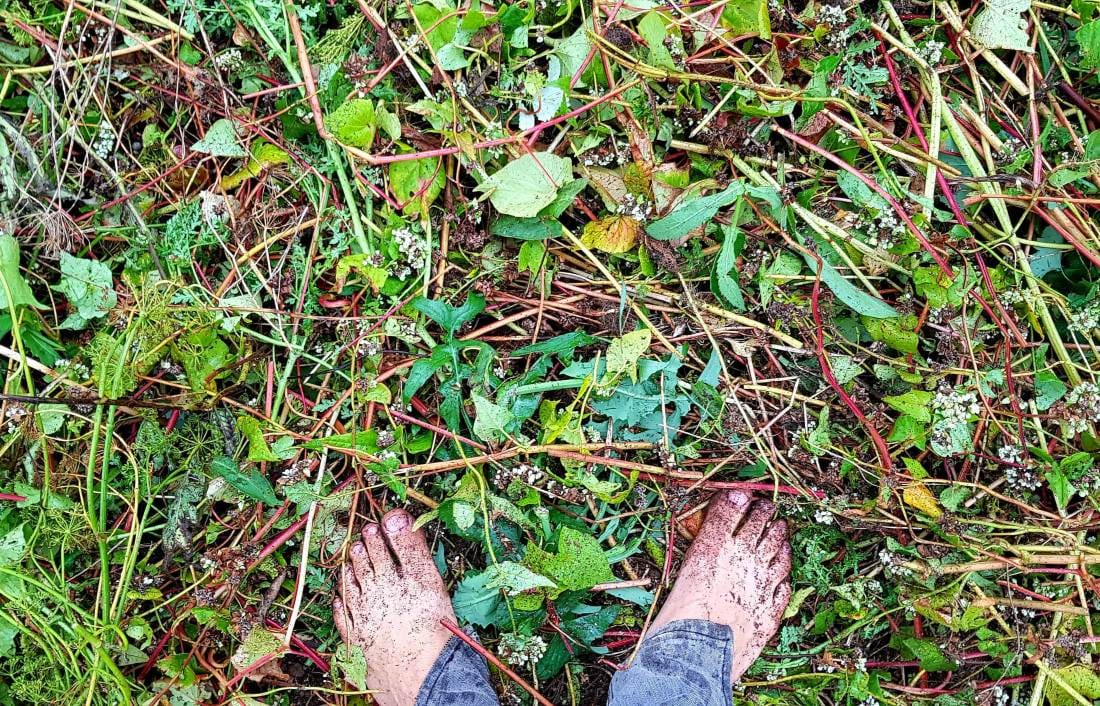
Mulch seals the deal. Two ways:
- Create some homemade mulch with a quick garden whip around. Chop up old crops, deadhead, trim herbs or fine twig shrubs + add in whatever other partially decomposed carbonaceous organic matter (hay, wood chip, leaves), you have to hand. Mix all these bits and pieces together and spread them on. You cannot buy this kind of goodness.
- Or sow a living mulch of fast growing edibles, flowers + greencrops at the base of your seedlings.
Boost your plants along
- If the sun is shining down mercilessly, pop up some shade to filter the intense light until seedlings are established.
- If the weather is cooling down already at yours, or if soil isn't that fab boost your plants along with a weekly biological brew or liquid feed.