
The Genius of Living Mulch

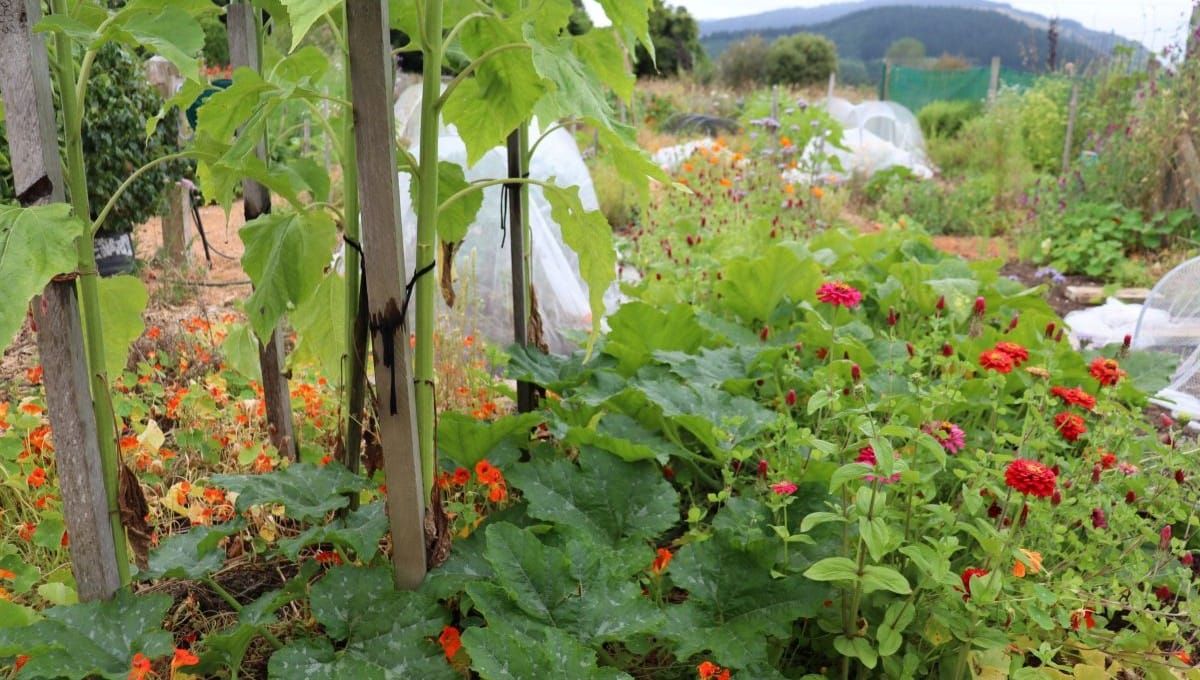
Living mulch (covering the ground with plants) has all the same benefits as mulch (leaves, hay, woodchip et all), but with bonuses. Plants bring the x factor because they have roots, and on, in and around those roots live soil microbes. Soil microbes are the heart and soul of awesome soil and a naturally healthy garden.
There are two key components to making a living mulch work brilliantly:
- It must be diverse
Each plant family houses particular soil microbes on its roots. For best health you want a huge variety of soil microbes operating in your soil, so grow a big variety of plant families. Fertility never looked so easy!
This applies to the orchard, vegie patch, shelter belt - every part of the garden. Plant a mixture of varieties - include flowers for beneficial insects, herbs for medicine, tap roots to open/ stabilise soil, quick growers with slow growers - so many ways to roll with this, my friends. You'll be coming up with winning combinations till the end of your days.
- It needs to grow long, then periodically be chopped.
When tops grow long, roots also grow long, and the deeper roots go the healthier soil is.
And then when long tops are cut, those luscious, long roots slough off inciting a below ground biological frenzy - a population boom! Yay, more microbes!
Living mulches in the veggie patch
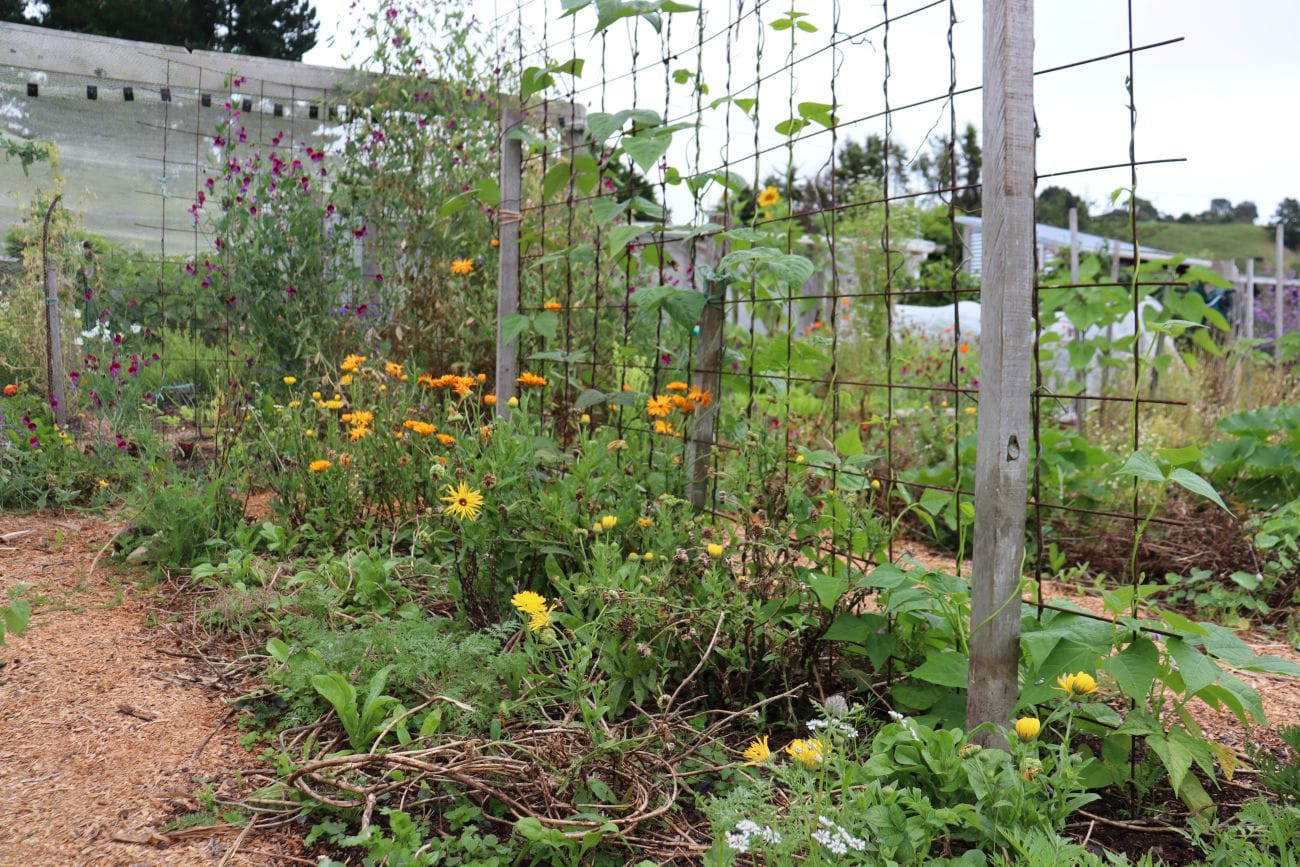
Aim to always have plants growing and hardly ever have bare soil - it takes a bit of practise but once you get the hang of it, you'll never look back. The easy garden life awaits.
Two ways:
- Sow or plant new crops amongst soon-to-be-finished older crops, or greencrops. Read all about how here. The old protects the new, thus accelerating its growth. As the new crop builds in strength, slowly chop the old back returning it as mulch (aka chop and drop).
- Sow living mulches at the same time as sowing/ planting the crop. If you use fast-growing groundcovers like radish, phacelia, mustard and crimson clover - they'll cover the soil quick-as and you wont need mulch.
Living mulches beneath fruit trees
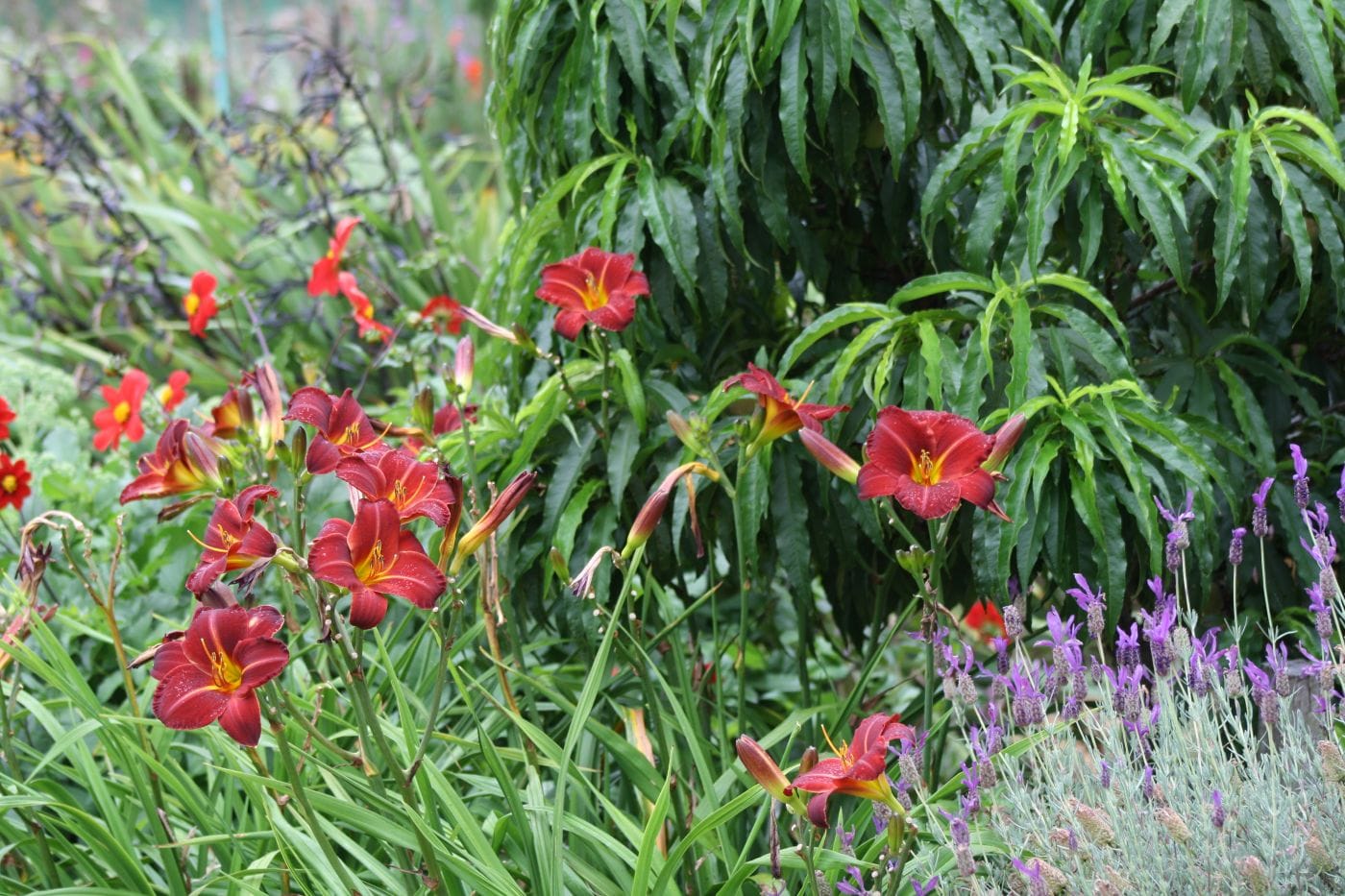
There's no end to the possibilities here! Use perennial vegetables, your fav flowers, comfrey, herbs, leafy greens - grow a mash-up of groundcovers beneath your fruit trees.
In larger orchards and school or community orchards create a living mulch with hearty growers like comfrey, yarrow, chicory - plants that grow equally as strong as the grass and weeds. If some grass/ weeds grow through, no worries!
Do your first chop and drop about mid spring. If your trees have low vigour or need a boost, do another one or two, when the living mulch is long again. Leave the plants from mid Autumn onwards so that there is plenty of habitat and seedheads through winter.