
Weed smarter, not harder #1
Though we curse and lament them - damn weeds!, it's our gardening habits that keep them coming back. Like a record with a scratch, we're stuck in a weedy rut - there is another way!

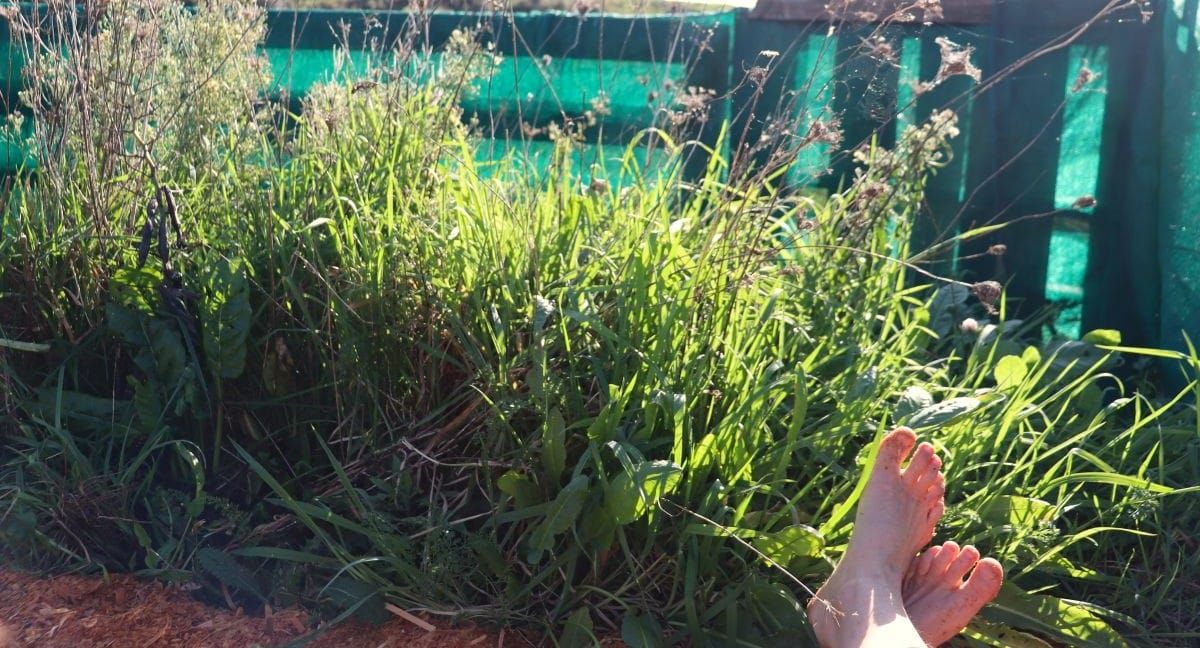
Though we curse and lament them - damn weeds!, it's our gardening habits that keep them coming back. We spray, pull, or till, but the same weeds keep coming. Like a record with a scratch, we're stuck in a weedy rut.
Breaking free of your weedy rut is so liberating! Over the next few newsletters we'll learn all about how to work with weeds in your unique context, creating naturally healthy gardens that you love to be in without horrible weeding.
The weedy-why
As many times as we lay soil bare, mother nature will re-cover it with plants, because the health of every cycle that keeps the planet well, relies on soil being covered with plants.
This is the weedy-why - bless them and thankyou. Truly thankyou! They are hardy, mineral rich and quick off the bat to protect topsoil fast and prep it for the next wave of plants. Weeds aren't supposed to be forever plants! No plants are.
In a healthy landscape, weeds are ever changing.
- I've watched dock fade away from pasture that was 3/4 dock, and diversify with chicory, plantain and clover - not from sowing seed but from well timed grazing.
- Most of us in NZ have watched gorse covered hillsides transform as pioneer native species like mahoe, karamu, hoheria grow through and take over. The natives aren't forever plants either - they'll be supplanted by the next wave of longer lived trees, and so on until a disturbance - flood, fire, storm, animal rampage - and the cycle begins again. The destination is not the point, the cycling is.
Apply this natural pattern to your gardens - veggies, shelter, fruit .... we'll get into the practical's next month. Meantime, understanding the impermanence of the weeds, and the fact that their cycle is supposed to be a quick burst, not a sustained one will, I hope, help you feel easier about them.
The human-how
Our human-how, is to garden within these cycles and work with the weeds. This means coming up with a cunning plan to help them fulfil the job they came to do thus move them on naturally. Mostly this takes small amounts of well timed effort. Sometimes the effort is sustained over a longer period but its worth it when the result is the weed has shifted!
Gardening with weeds, is a two for one deal. The strategies I will take you through next month, not only shift weeds on without sprays or mighty battles, but also build and improve soil.
So much better for our land and our mind than the current practise of curse the weed, pull or spray the weed, the weed returns, curse the weed, pull or spray the weed, the weed returns...
Be ready for next months practical how-to's by doing the 10 minute exercise below. You'll exclaim aloud when you read some of the weeds on my cruisy list! I cannot wait to hear what you have to say ☺️
The weedy scale: cruisy-tricky-intense
It helps enormously to file the weeds that bother you under one or other of these headings. As much for your mental health, as for the clarity it brings. I've listed my weedy scale - just for perspective and a starting point. You do you! In your soil/ climate/ personality my cruisy-weed may be a tricky one, or vice-versa.
Scan through my definitions below, and for each weed that you fret over - choose the label that most closely applies. This is not an exercise to be deadly earnest about, you will, as time goes on, move tricky weeds into the cruisy list and one day have an outrageous cruisy list similar to my own.
Cruisy-weeds
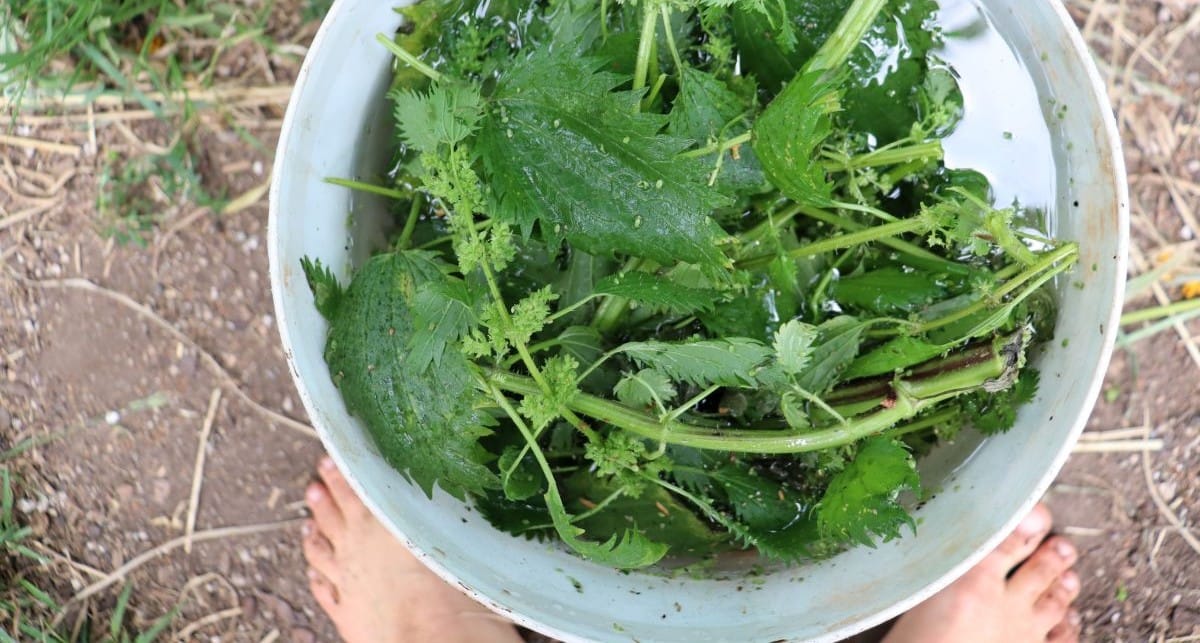
- soft stems
- are mostly annuals - some perennials fit this bill
- are easily weeded out i.e. don't have an endless vining root, or a dense fleshy network of bulbs
- don't vine, smother or strangle
- do die back after being chopped, or pulled out
- are useful e.g. yarrow, plantain, dandelion, cleavers - medicine for humans and soil.
- can be easily outcompeted e.g. gorse and boxthorn make excellent nurseries for natives. Natives grow up through them, shade them out and they die off.
Weeds I consider cruisy (because I have strategies up my sleeve!): acanthus, barberry, box thorn, buddleia, buttercup, California thistle, chickweed, cleavers, couch, dandelion, deadly nightshade, dock, gorse, inkweed, onion weed, plantain, scotch thistle, stinging nettle, woolly nightshade, yarrow.
Tricky-weeds
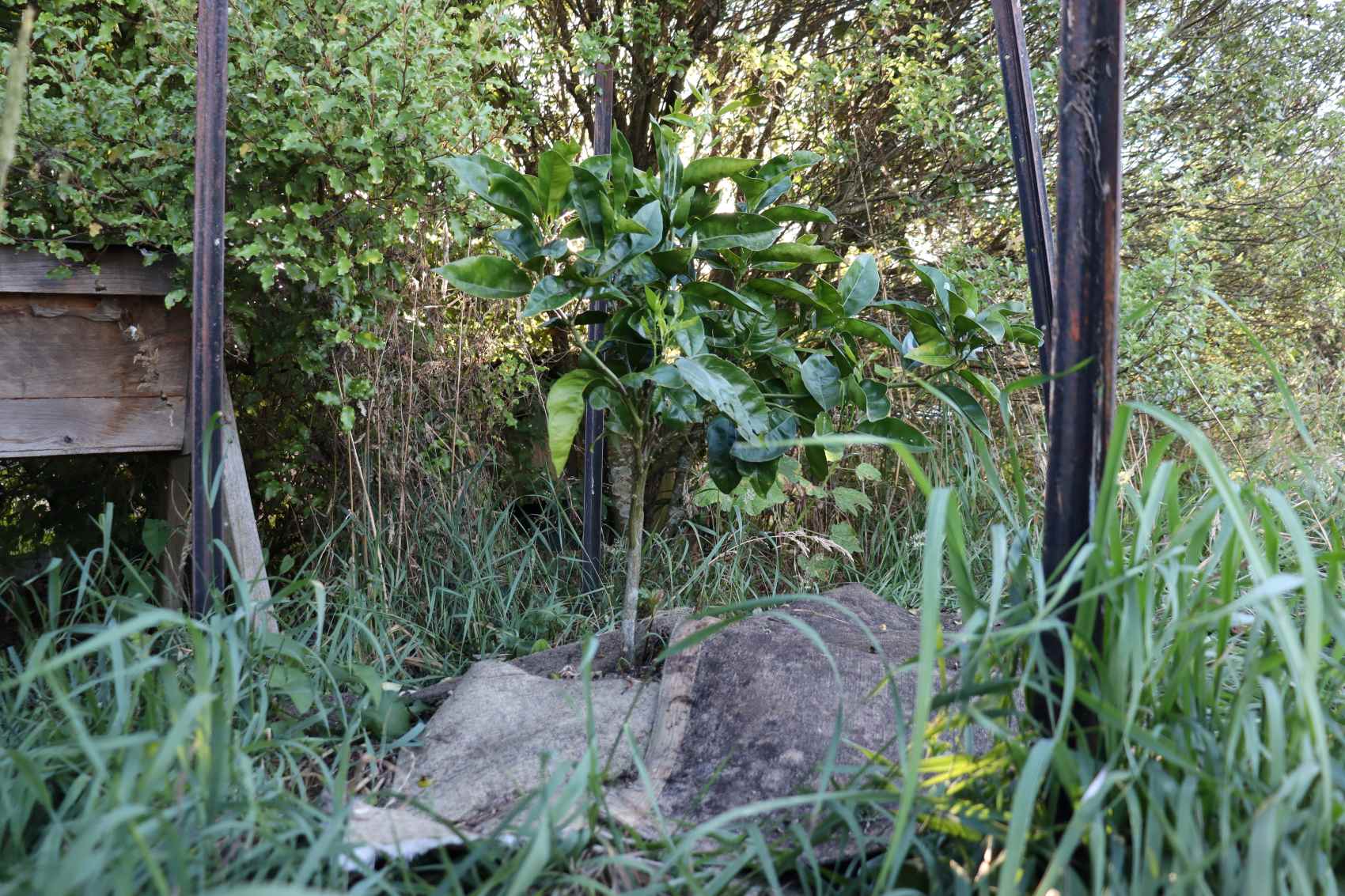
- smother, strangle and outcompete other plants
- grow via a running/ vining root system e.g. Ivy, or rhizome e.g. California thistle, or bulb, e.g. Oxalis
- spring back to life after being chopped - either immediately or in the right season
- have woody stems
- have thorns, or irritating sap
- have a tight grip on the soil making them hard yakka to hand-weed.
Weeds I consider tricky: agapanthus, arum lily, barberry, blackberry, convulvulus, holly, ivy, jasmine, kikuyu, moth plant, periwinkle, running bamboo, tradescantia, wild ginger
Intense-weeds
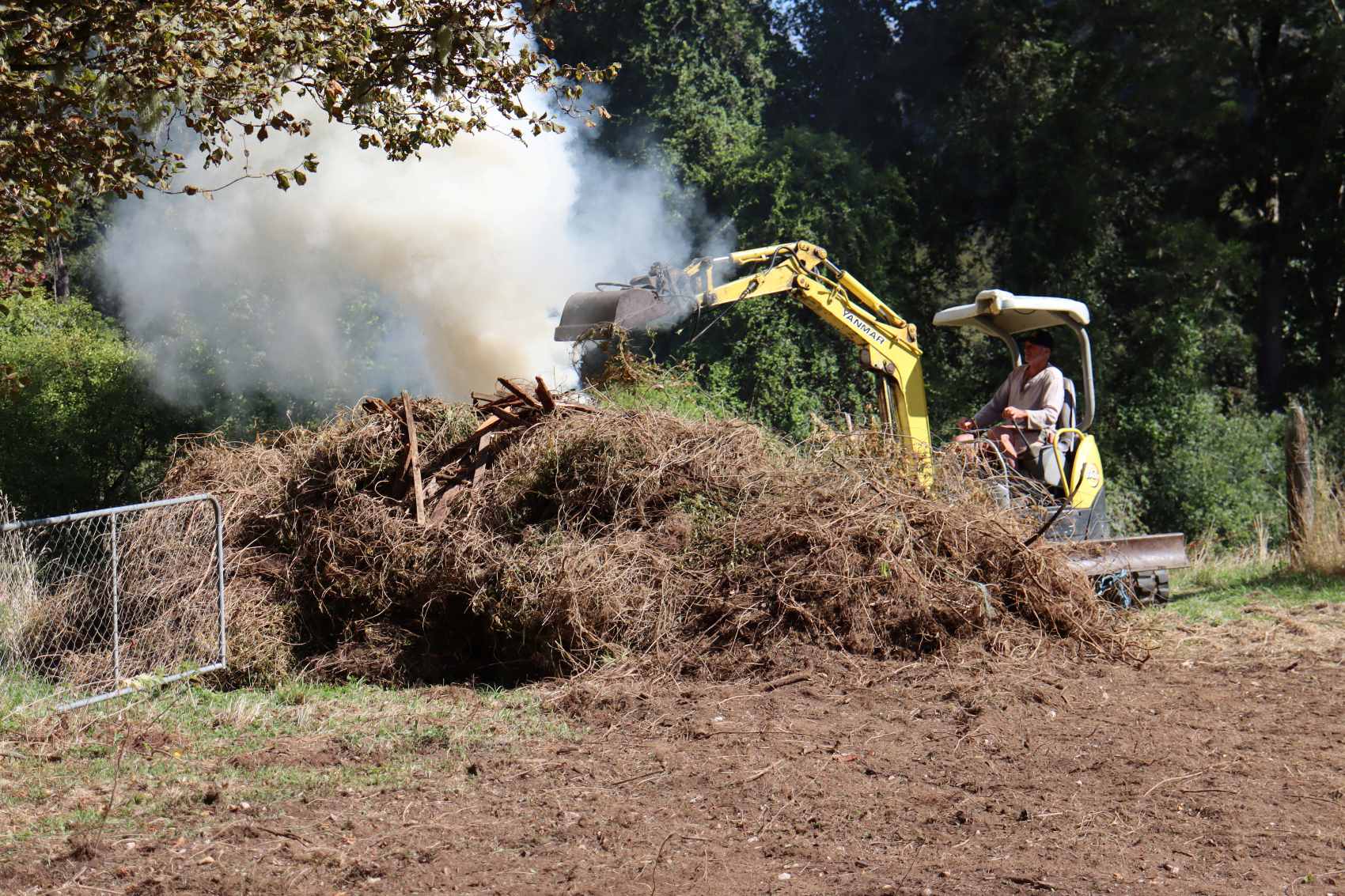
Any weeds - particularly tricky weeds, on a large scale.