
Worm farm FAQ's
Successful worm farming is a numbers game. More worms = faster consumption of food scraps + warmer worm farm, which together = healthy farm. The road to more worms is to keep your farm in good health, so that worms breed prolifically.

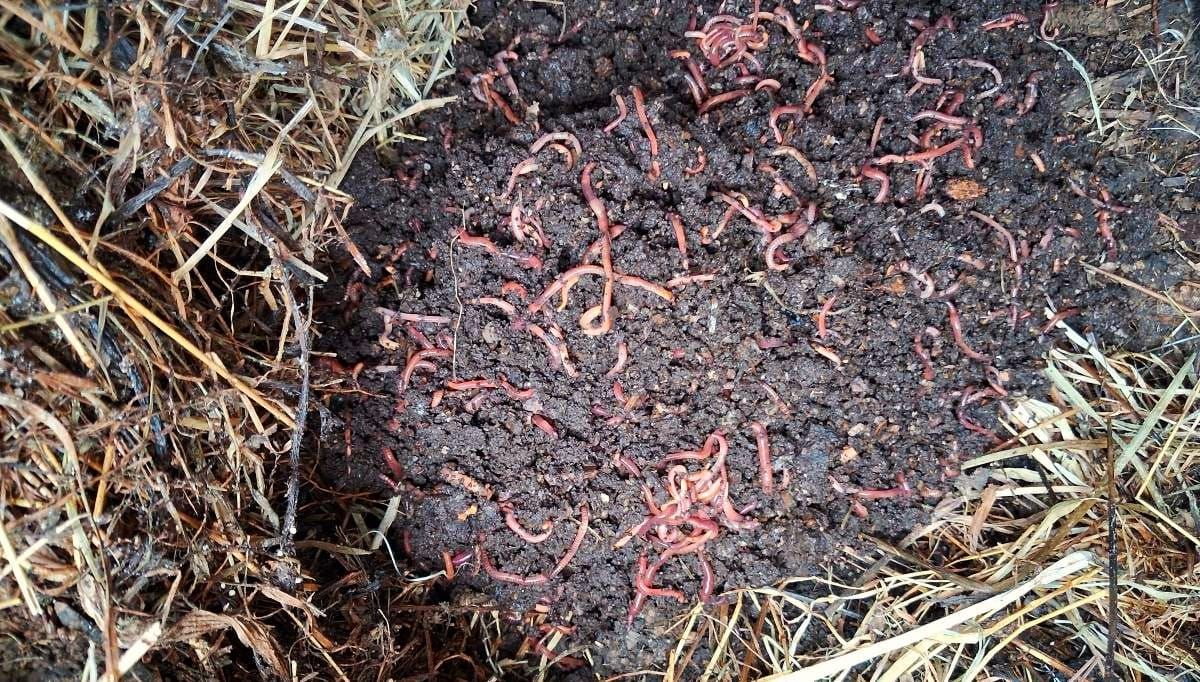
Successful worm farming is a numbers game. More worms = faster consumption of food scraps + warmer worm farm, which together = healthy farm. The road to more worms is to keep your farm in good health, so that worms breed prolifically. This is where your regular 2minute worm-farm check-in comes in. Do it!
Why does my worm farm smell so bad?
Tough love team - your worm farm didn't suddenly become stinky, it gradually became stinky. Regular check-ins are the difference. Stink comes putrid food scraps - hello overfeeding and/or too much of the wrong food, or from a farm thats too wet.
Resolve a stinky worm farm by taking the putrid stuff. Off load it into a far-away perennial/ native/ wild corner of the garden, or mix it into a compost heap with lots of dry browns like leaves, shredded paper or card, hay, stalky garden waste...
Give the farm a sprinkling of wood ash - just a dusting mind, then add a shovel or two of compost plus some dry browns. Cover, and rest until the smell has gone and the worms recalibrated. Resolve to check-in!
Do I have to cut my food scraps up small?
100% at the start - breaking your food scraps up into little bits speeds the worm breeding programme. Blitz them in an old food processor on the deck, otherwise chop or crunch. And even when your worm farm is humming along, chopping and crunching bigger bits is a good practise.
Can I put meat in my worm farm?
I put small bones like fish or chicken in my worm farm, but never meat simply because I never throw out meat! So as to can you? You be the judge.
Do I need to water my worm farm?
No, or should I say I have never needed to. Food scraps provide loads of moisture, especially with a generous cover of hay or card on top of them at all times. And if the farm is on the ground, as per my preferred way - even less chance of drying out.
However, you be the judge. If the food scraps feel dry (pole around don't be squeemish), give them a light spritz.
Why are my worms leaving?
They aren't happy! Too wet, too much food, too cold, too putrid .....
How long will it take to make vermicastings that I can use?
Much depends! On the season (longer when its cooler), on the size of your worm farm (the larger it is the longer it takes), but most of all, on worm happiness.
If you have a strong colony of worms, and are a good worm mumma, then a small bucket farm takes about 4-6 months, a large one up to 12 months.
When are vermicastings ready?
Vermicasts are ready when they feel kinda peaty and there are very few food scraps remaining apart from bits of egg shell, bone and avocado stones.
I leave the vermicasts in my worm farm and use them as required. The option is always there to empty them into a sack or some such.
How do I get the worms out of my vermicastings?
Another common q, and very sweet, but really there is no need.
Mature vermicastings should have few worms in them. If there are still plenty of worms in the house, there is still raw organic matter being processed. In which case lift the lid on your bin, peel off the cover and wait for the worms to dive deep, then scoop off as many castings as you need.
Don't worry about worms that come along for the ride - they will take themselves to their perfect habitat - some mulch or compost or another worm farm. Worms don't need human intervention. Bless.
Can I use the worms from my compost bin to start my worm farm?
Yes, most likely you can. The worms you need are the ones that specialise in breaking down raw organic matter. There are a few different types of them. They are fast moving, more red than pink, striped ones with more pointy ends than round.
Thing is, if you are starting out you want lots of worms. An ice cream containers worth is fab - it gets your farm up and running pronto. Faster is better because that means you can be adding more food scraps sooner, and the farm will heat up better, and will be stronger/ less vulnerable.
I'm confused about the food I can and cannot add...
Fair cop - there is a lot of conflicting advice out there. Your eyes will show you - the food that is left behind to go mouldy has been avoided by the worms. Although there are loads of other microscopic decomposers in your farm alongside the worms... sometimes food is avoided because its a combo of worms not eating it, you adding too much food at any one time and the food being in a big lump i.e. not chopped up.
To get you started, here's what I've seen in my many years of worm farming - worms prefer a whole food diet of egg shells, sea shells, fish carcasses, tea, paper, fruit and veggie scraps. They aren't fans of baked stuff, or fats, or citrus, or onions.
Little amounts of these things chopped small or crumbled up and mixed in with the farm will be processed, but large dumps of them will be avoided ergo go mouldy or yukky - seriously yukky.
Watch and learn.
If I can only add food slowly at the start, what do I do with my food scraps when I cannot put them in my worm farm?
Start a second worm bucket, add them to your compost, trench them direct in your veggie patch, give them to your chooks or pigs ....
Having another option (or two) for food scraps is essential - there are times when you need a plan b e.g. in winter when the worms slow right down or after a family gathering when you have loads of scraps.
What do I do about the little white flies that rush up at me when I open the lid of my worm farm?
Don't worry about them. They are part of natures decomposition crew. Do your check-in to make sure all is well. A dusting of wood ash can help.
What do I do about blow flies in my worm farm?
Ewwww! Blow flies means maggots, maggots means putrid food scraps. Over feeding is most likely. Run through the check-in to see what the problem is.
Meantime shovel out the maggoty food and give it to the chooks, or leave it out for the blackbirds, or mix into a compost heap.
,