
Learn Your Winter Sun
Winter wisdom is essential for those of you in the start-up phase. But equally, every gardener benefits because trees grow and much changes – your landscape is ever evolving. It pays to keep your finger on the pulse.

Winter wisdom is essential for those of you in the start-up phase. But equally, every gardener benefits because trees grow and much changes – your landscape is ever evolving. It pays to keep your finger on the pulse.
Take the once-a-year opportunity that mid-winter provides to suss out the where and when of the winter sun and the winter shade. This info informs what to prune back, and chop out to improve light, and most importantly where to locate the plants/ trees like citrus and avos, that must have winter sun.
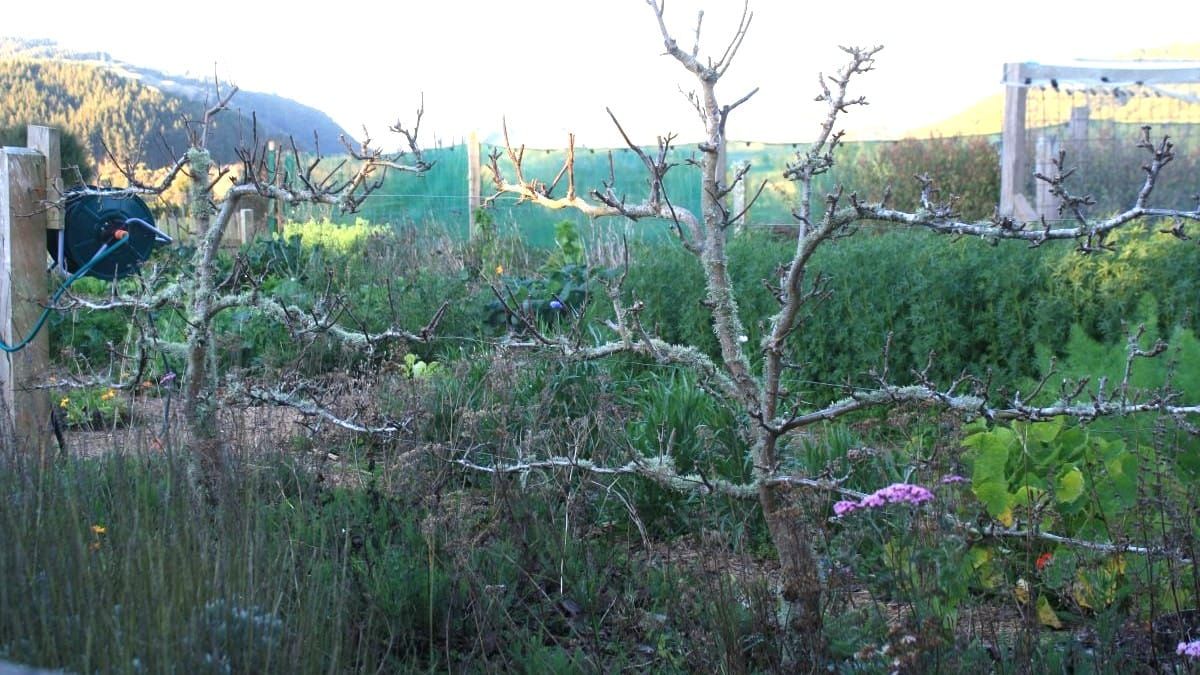
Not all crops do. The nashi espalier in the photo above, is sweet without winter sun because its deciduous. It's shaded through June and July, but as the sun rises higher towards the end of winter, the sun is shining back on it, just in time for bud swell.
Your mid-winter check-in
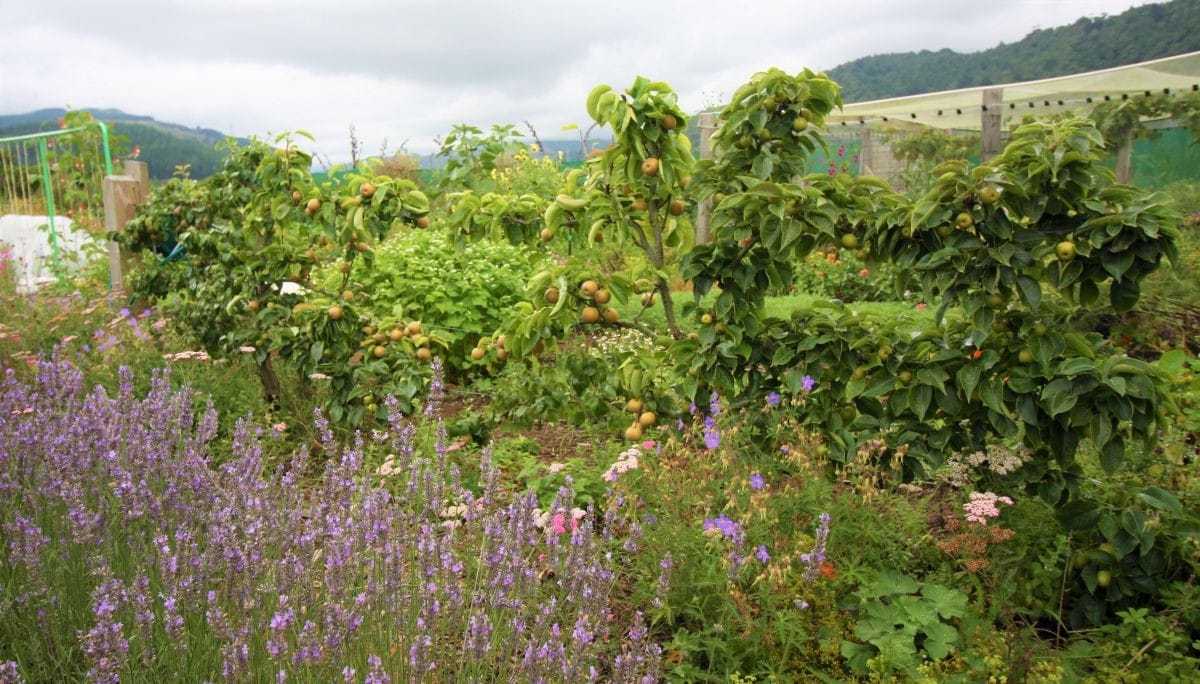
Choose a day close to the solstice, and wander your garden morning, noon and late avo identifying the sunny spots and the shady ones. Explore every nook and cranny, especially in a small garden. Its as easy as that!
Use winter sunny spots for
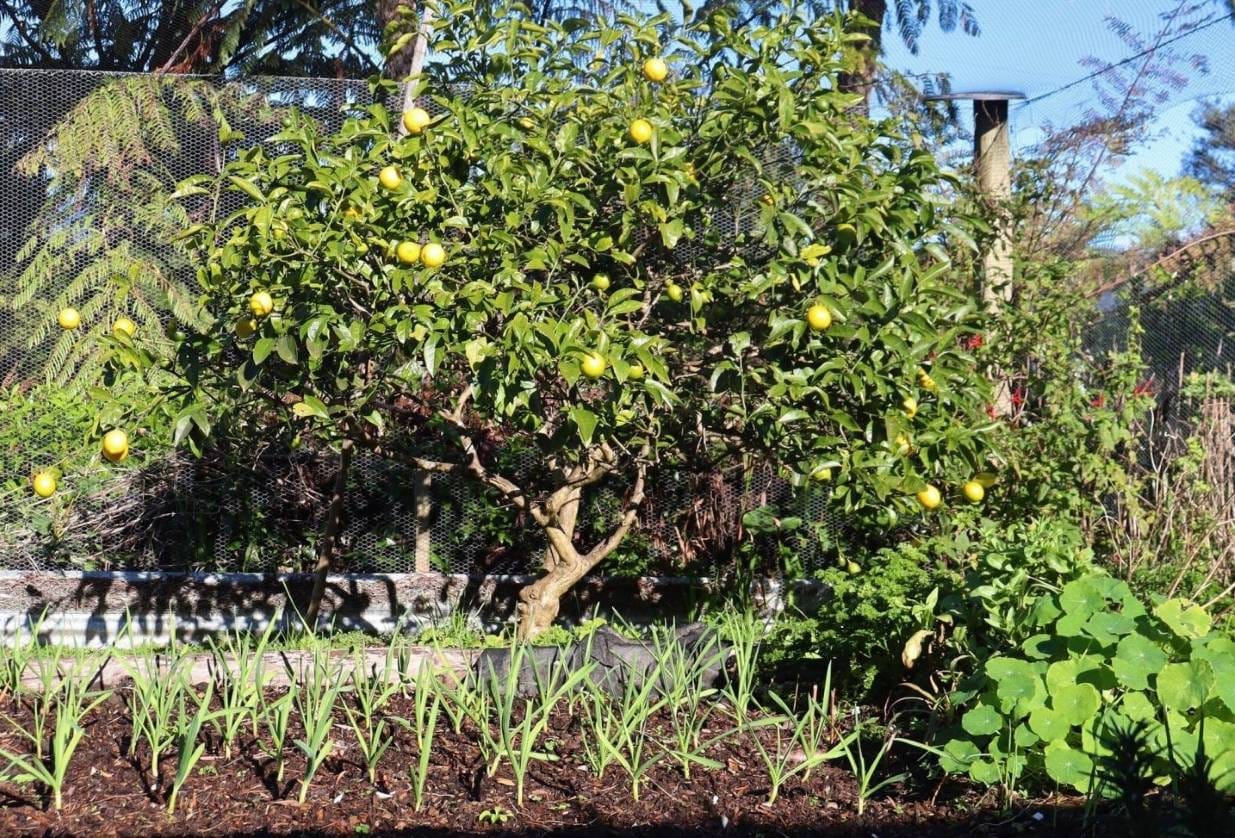
- avocado, citrus, tamarillo, subtropicals
- vegie beds
- the greenhouse
- worm-farms
- compost bins
- chicken house + run - don't leave them languishing in cold winter shade
Ideally 10am - 2pm sun, or as close to.
Use winter shade for
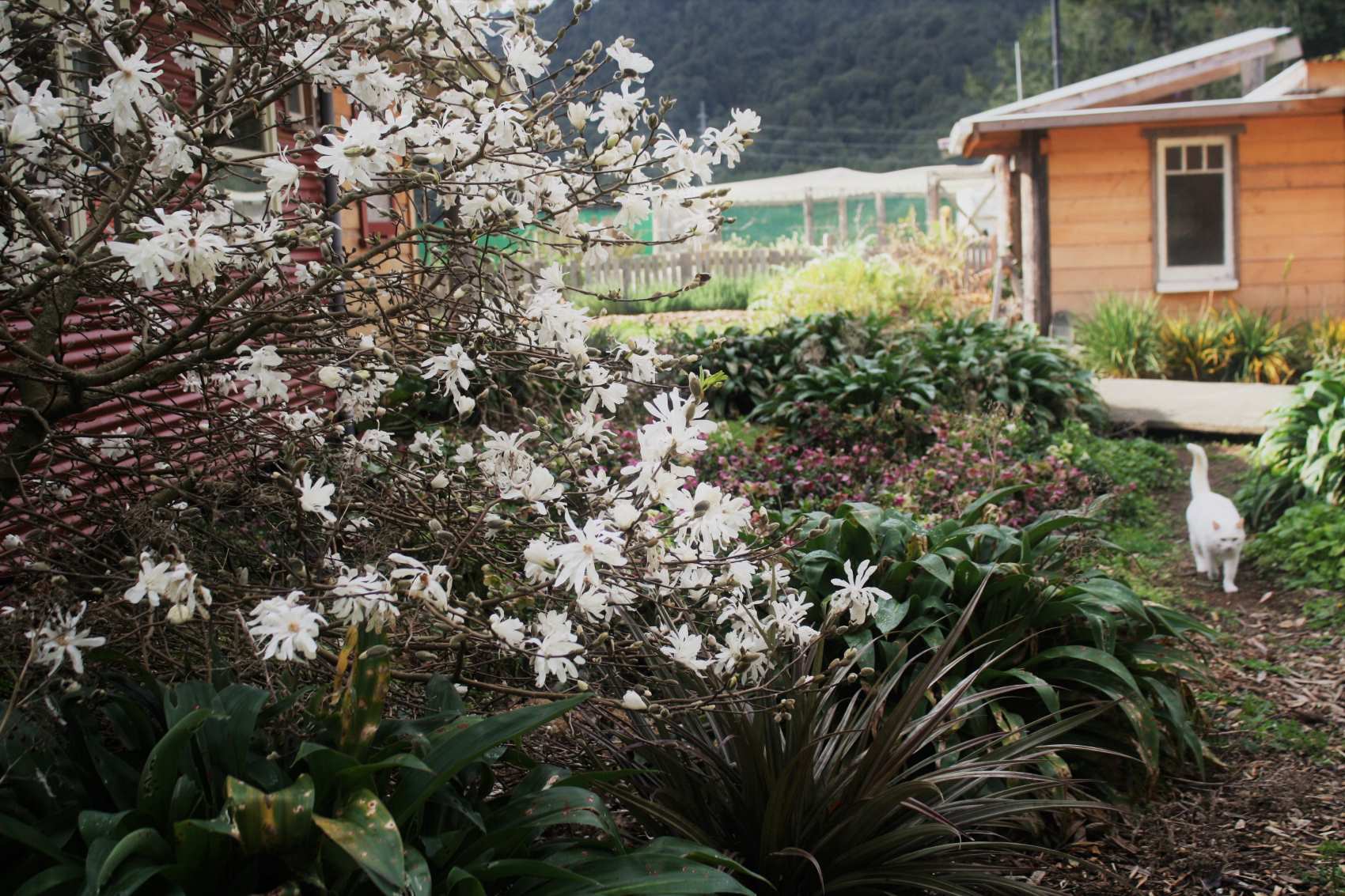
- deciduous fruit trees and berries, as long as the sun is back on them by late winter when they gear up to blossom.
- brassicas, hardy leafy greens and parsley are good with semi-shade.
- tool sheds, water tanks and garages.
- winter dormant perennials.
- shade loving natives like pseudopanax, or perennials like hellebores.