
August in the Vegie Patch + Greenhouse
The trick to a healthy, productive vegie patch is to keep momentum up - little and often is the way, even when its cold out!

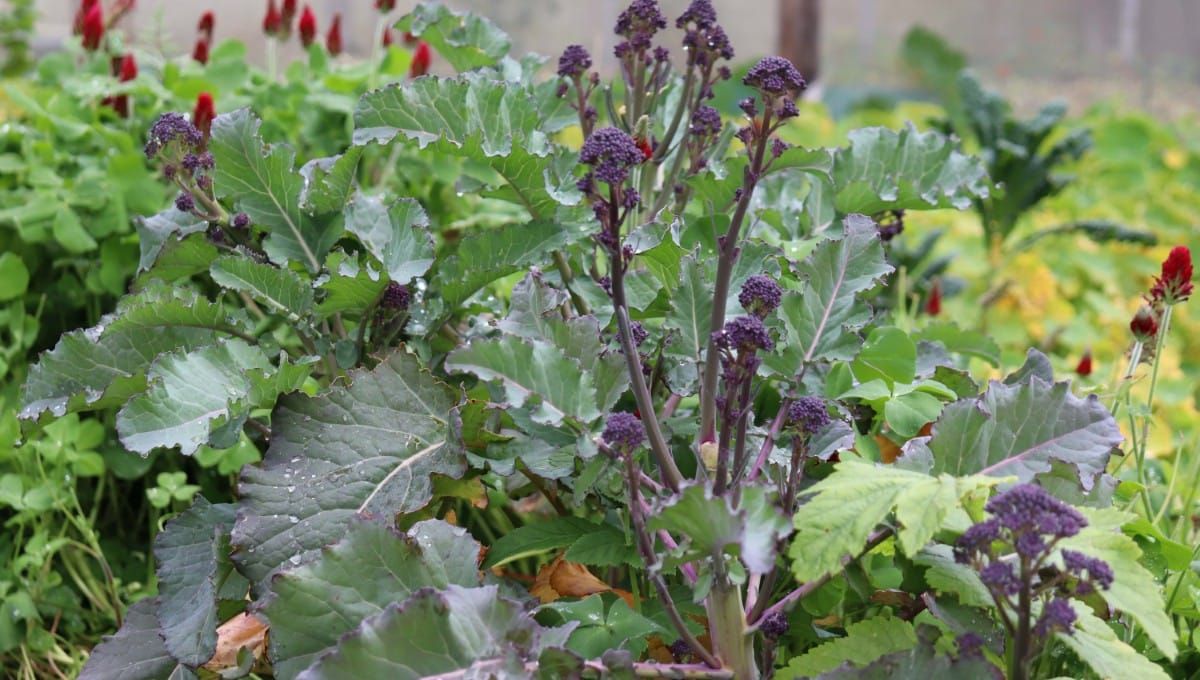
The trick to a healthy, productive vegie patch is to keep momentum up - little and often is the way, even when its cold out! Get out there at least once a week to
- remove spent crops. Chop them off at ground level then crunch or chop them up for compost or mulch. Sow or plant the space right away.
- keep productive crops clean of old ratty foliage. This keeps air flowing and health high and provides opportunity to sow and plant new stuff, especially beneath tall crops like broccoli.
- get bolshy weeds while they are small e.g docks, big grasses, buttercup - don't let the tough determined weeds take over! The best way to minimise them is to use living mulches and keep your vegie patch covered in plants at all times.
- plant or sow new stuff to keep all the gaps filled up with plants.
What to plant and sow in August
SOW
DIRECT SOW
- Greencrops. Make a mix that includes mustard, calendula and phacelia, for spring nectar to feed and entice bee + predatory insects, lupin as a precursor to mid spring plantings of heavy feeders like corn, tomato and squash, daikon to aerate, and .
- Potatoes, if conditions are right
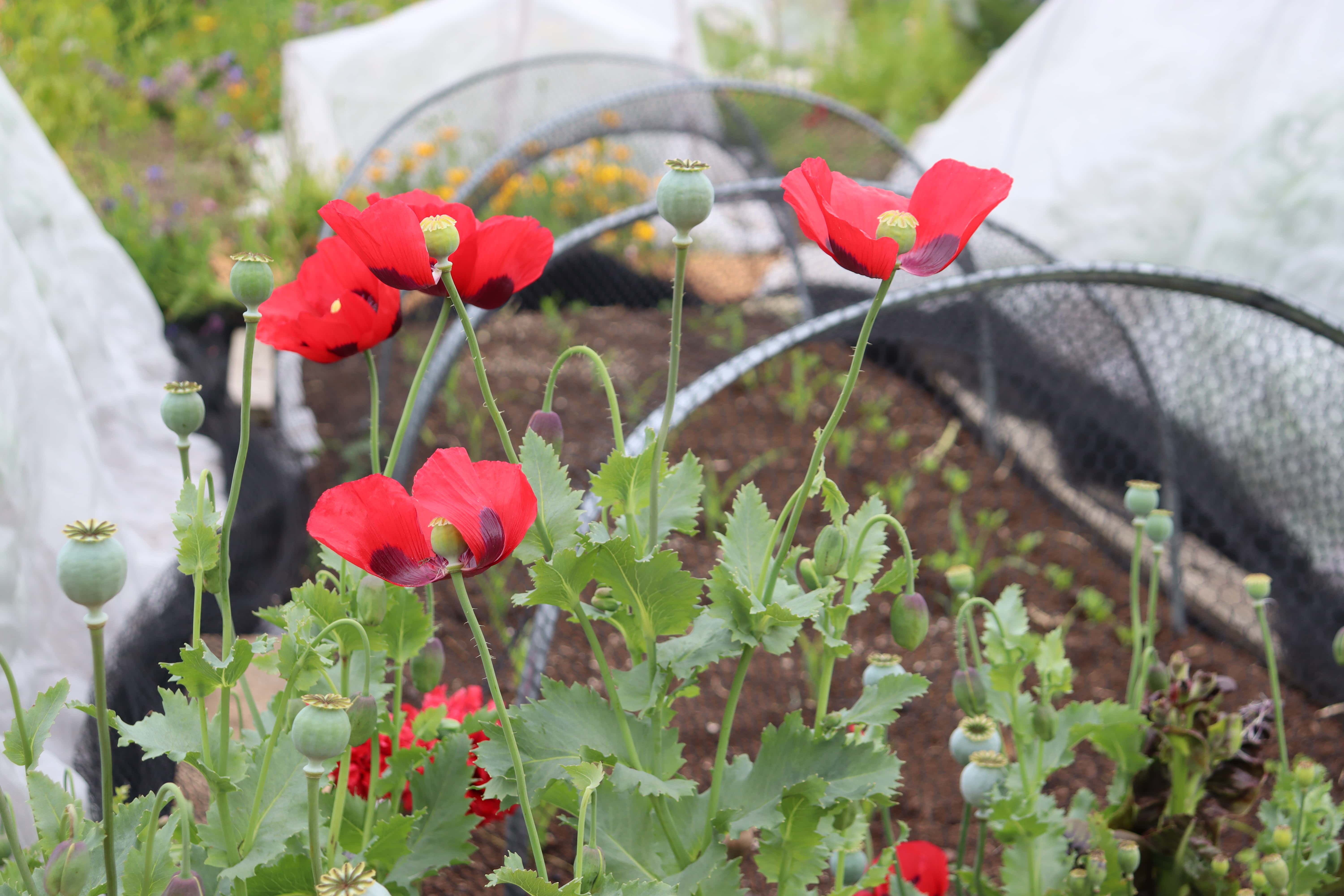
- Poppy, calendula and borage
TRAY SOW
- Broccoli, cabbage, spring onions, red onions, brown onions, peas in plug trays, miners lettuce, corn salad, parsley, various saladings
- Tomatoes, peppers, aubergines, cucumbers, zucchini will need a heat pad in order to warm the seed raising mix to 20°C. Don't rush into these! There's a bit of garden math coming up to help you figure out if you are ready or not.
DIRECT OR TRAY SOW
- Broadbeans
- Spinach, coriander, bok choy, beetroot, saladings or rocket in the greenhouse, or under a cloche - unless its warm enough outside at yours.
TRANSPLANT
- Broadbeans, peas and brassicas
- Broccoli, kale, cabbage, onions, shallots, spring onions, perpetual spinach, silverbeet
- Saladings, beetroot, potatoes or bok choy in the greenhouse
- Strawberries
- Asparagus
Asparagus prep
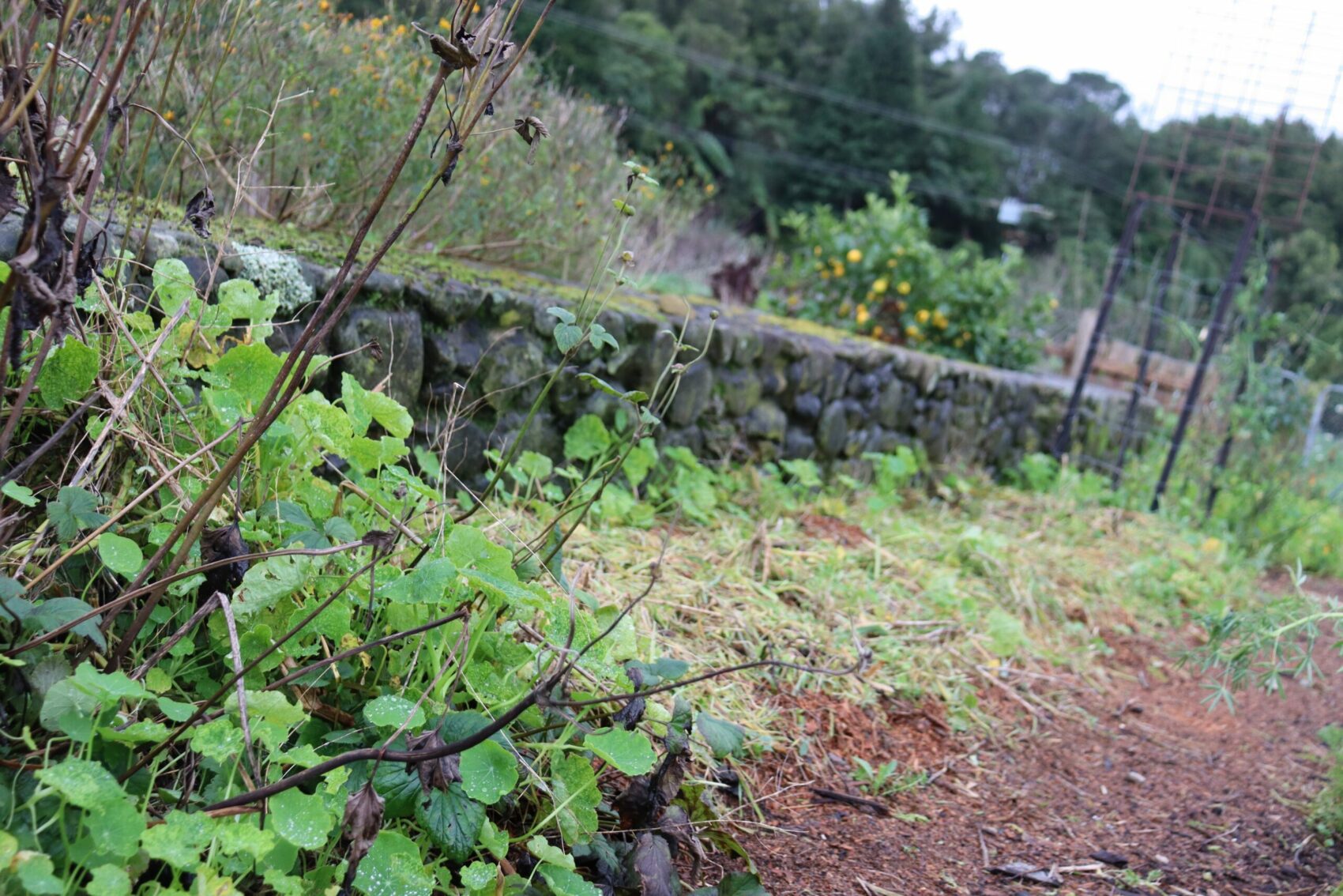
Prep your asparagus patch for a productive season by weeding it first, then spread a decent layer of homemade compost. If you don't have enough, mix it with bought compost or vermicastings. A layer of seaweed on top is an awesome option if you are seaside.
Top it all off with a generous mulch of whatever you can scrounge - sea wrack makes a well suited mulch, reminding asparagus of its seaside origins. This year I'm using long grass aka homemade hay. Don't worry about blocking the asparagus, those spears are like little drills - they'll easily pierce through.
Timing it right: tomatoes, peppers and aubergines from seed
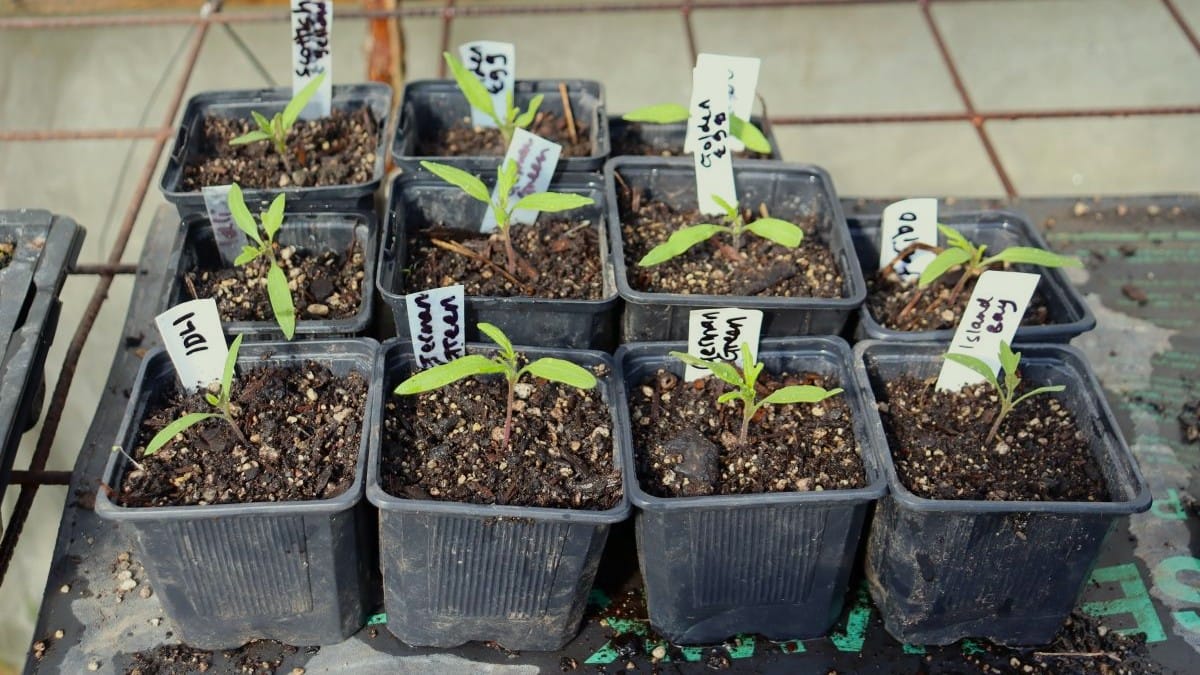
Tomatoes, peppers and aubergines are ready to transplant 6 - 8 weeks after sowing. Work backwards from here to figure out your perfect sowing moment.
If you have a greenhouse or live in the winterless north, you can get on the job this month knowing that there is a toasty warm, free draining, well nourished environment to transplant your seedlings into.
Without these things, wait until conditions are right. When they are, plants are happy. And when plants are happy they flourish - growing strongly with a lot less pests and disease. Gardening satisfaction guaranteed.
Regular + Odd jobs
- Order in seeds - remember a mixture of greencrops!
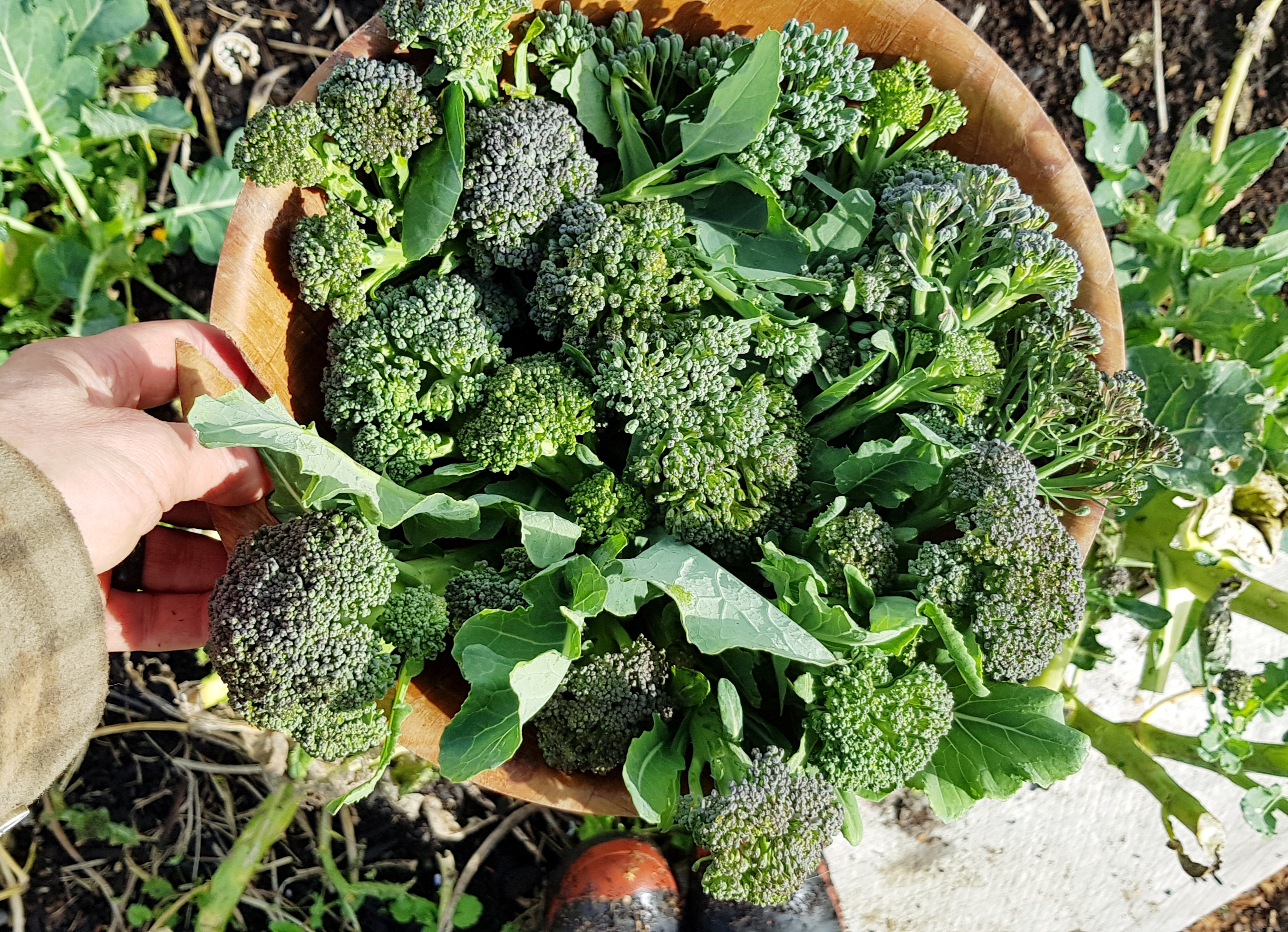
- Keep broccoli, leafy greens and parsley going as long as you can with daily harvests. Mulch the soil to keep it cool through September and slow them from going to seed.
- As always - make compost!
- If you wont have enough compost for all your beds, order in some that's organic and residue free. Bought compost will likely be immature and devoid of life, so buy it now and sit it on your soil for a while. Perhaps pour some EM over it or whatever herball brew you are cooking up. If you cannot find good compost, consider vermicastings.
August in the greenhouse
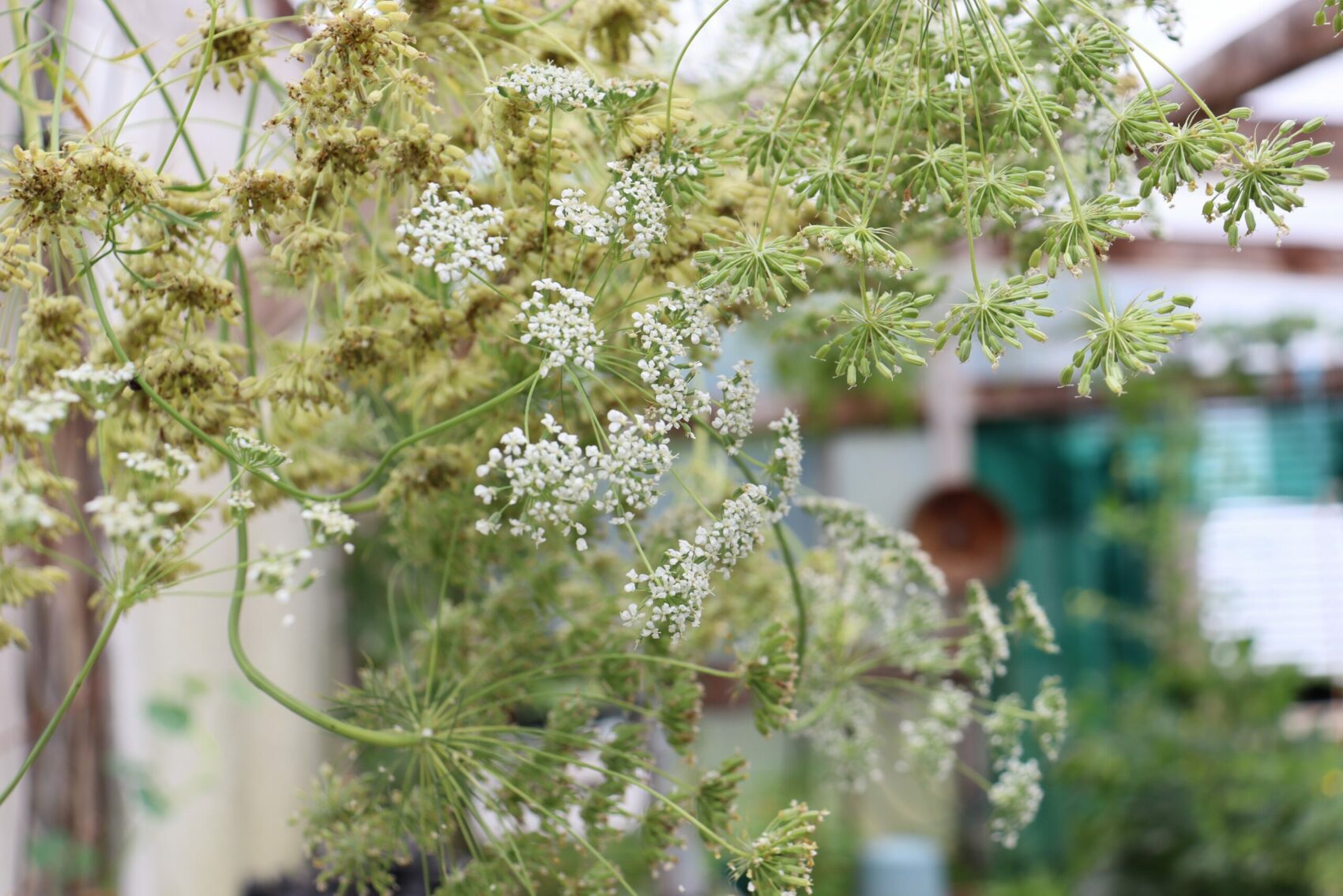
Its time to give the greenhouse its annual scrub down. Such an important job each year to get rid of any newly formed moulds before they embed in the plastic.
I use warm soapy water and a soft broom. Clean both the outside and the inside, then rinse the soap off and set the sprinkler on the beds to wash any soap through.
Prep the beds
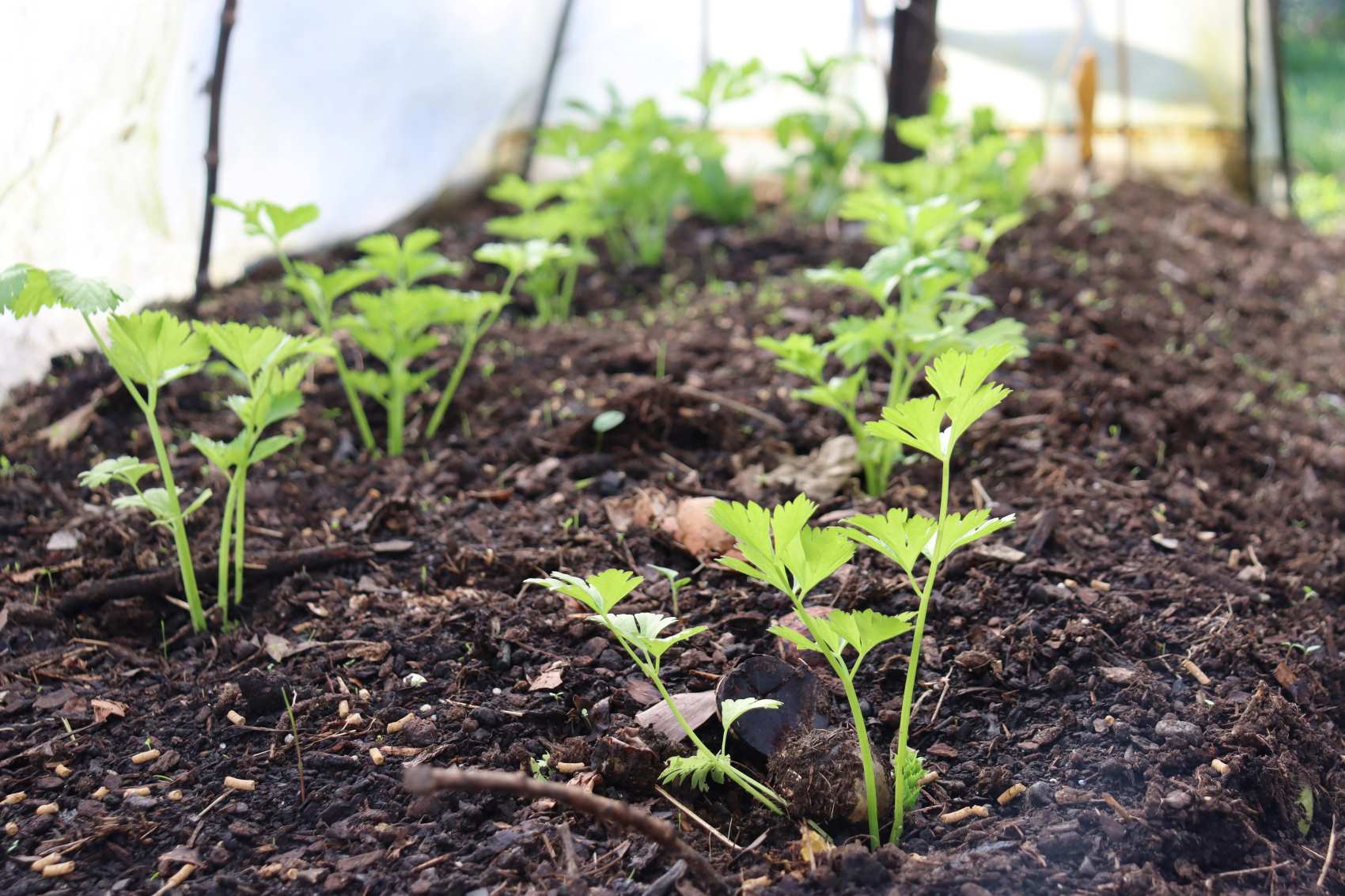
Spread a layer of compost - no more than 2cm. If you don't have enough compost, mix it with vermicastings and/or some well rotten manure, then right away sow a mixed greencrop alongside planting crops - a mix of both is ideal. Best soil health comes when the soil is full of roots!
- Plant companions like alyssum, bishops flower, nasturtium, poppy, borage, phacelia and shoofly near the door and down the back, like a trail of breadcrumbs to bring the bees and predatory wasps all the way in.
- Set up the heatpad, gather seed raising mix, wash labels and trays - spring is coming!