
Preventing + Managing Fungal Disease

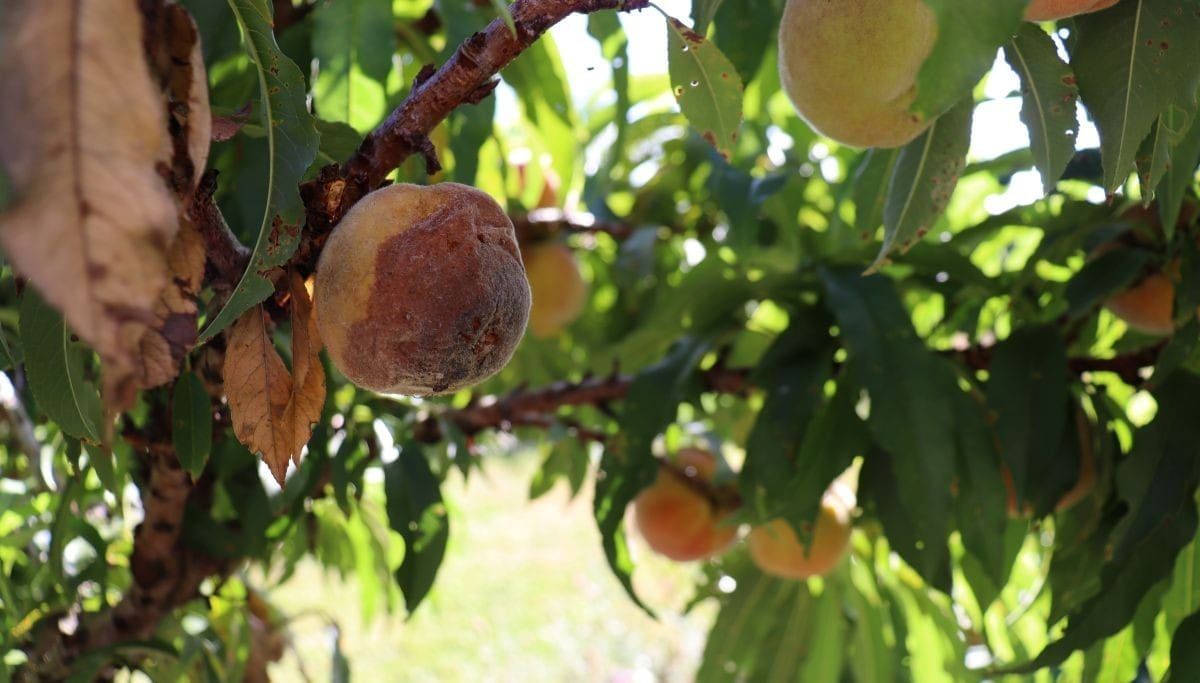
By far and away the most common cause of garden disease is airborne fungi. The mild moist conditions of spring set the scene for primary infections of rust, black spot, leaf curl, shot hole, brown rot and other fungal delights.
Great news is fungal disease can on the whole be prevented. There is no silver bullet friends. It's the coming together of many things, especially your own quiet observations and wonderings.
Young trees and new gardens are most vulnerable - give them a few years to settle and find their feet, meantime keep building strength.
- Build strength with plant diversity. Plant a diversity of perennial groundcovers around and beneath your trees, and the grass and weeds grow long before chopping and dropping them. When plants are short all the time, they become weak, and unhealthy.
- Make your own compost or choose bought compost carefully.
- Don't use artificial fertilisers and take care not to overfeed. Fruit trees only need compost at planting, and after that only usually in the first one or two years - measure whether they do by how much vigour is in the new wood.
- Keep your soil covered with plants or homemade mulch
- Encourage a diversity of beneficial microbes with my favourite biological spray or aerated compost tea or hydrolysed fish or fermented seaweed tea.
- Grow relaxed, stress free plants with thoughtful variety choices (i.e. they match your soil and climate), and smart seasonal planting (plant deciduous trees in winter and evergreens in spring)
Biological Fungicides
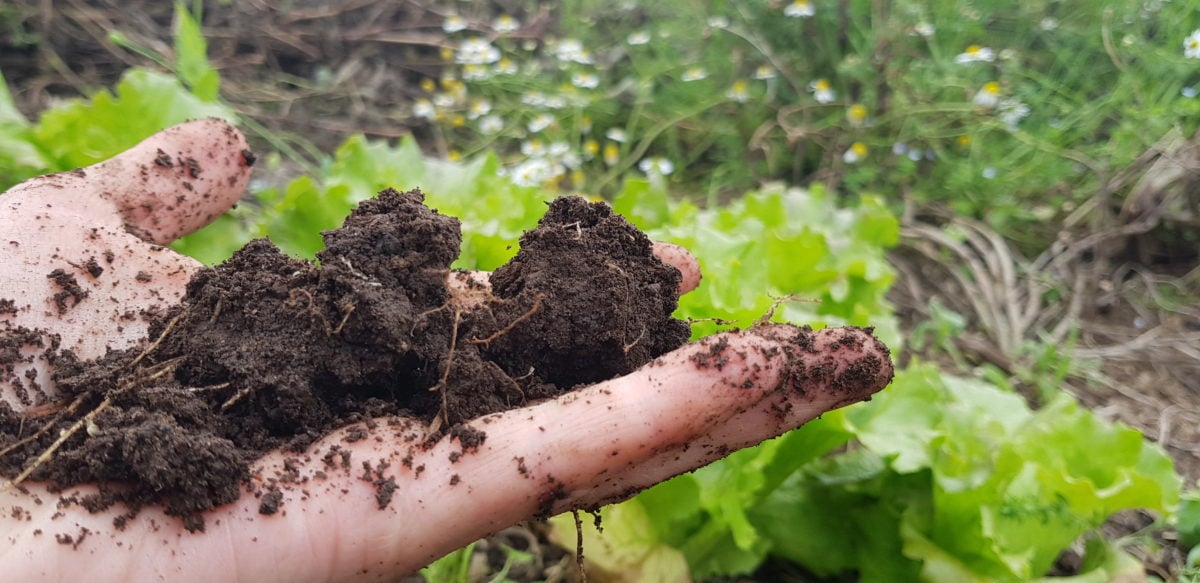
Biological fungicides are a useful tool as you build your garden. They manage pathogenic fungi by outcompeting it with beneficial fungi. You need to use these early for them to work. Get hold of a bottle in winter, ready to spray emerging shoots/ foliage in spring.
Milk
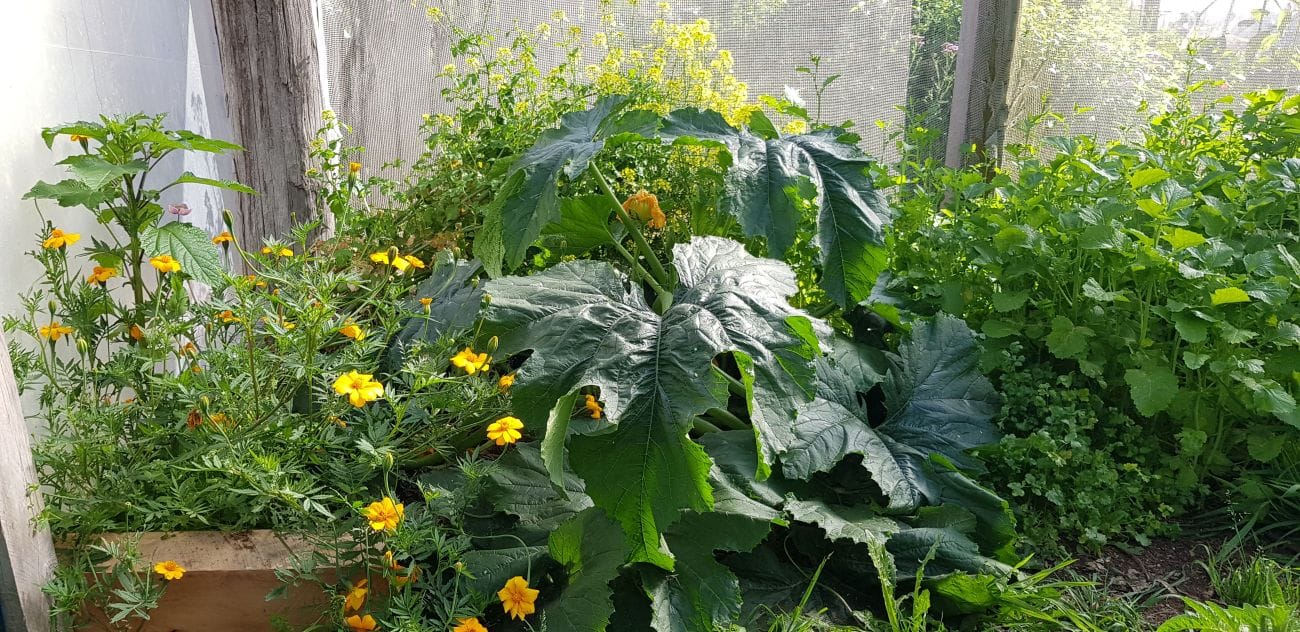
Yes milk! An awesome fungal preventative for vegies with a two step benefit - calcium inhibits the growth of fungal spores and ferroglobulin protein in whey is toxic to fungus. Dilute 1:10 and spray weekly as a preventative where you usually have issues.
Fungicides: Sulfur + Copper Sprays
Can I encourage you to stay your hand? Fungicides have become a habit, an easy quick solution but they nail all the beneficial fungi in the soils - the very architects of healthy soil - wiped out.