How to Feed Your Veggie Patch

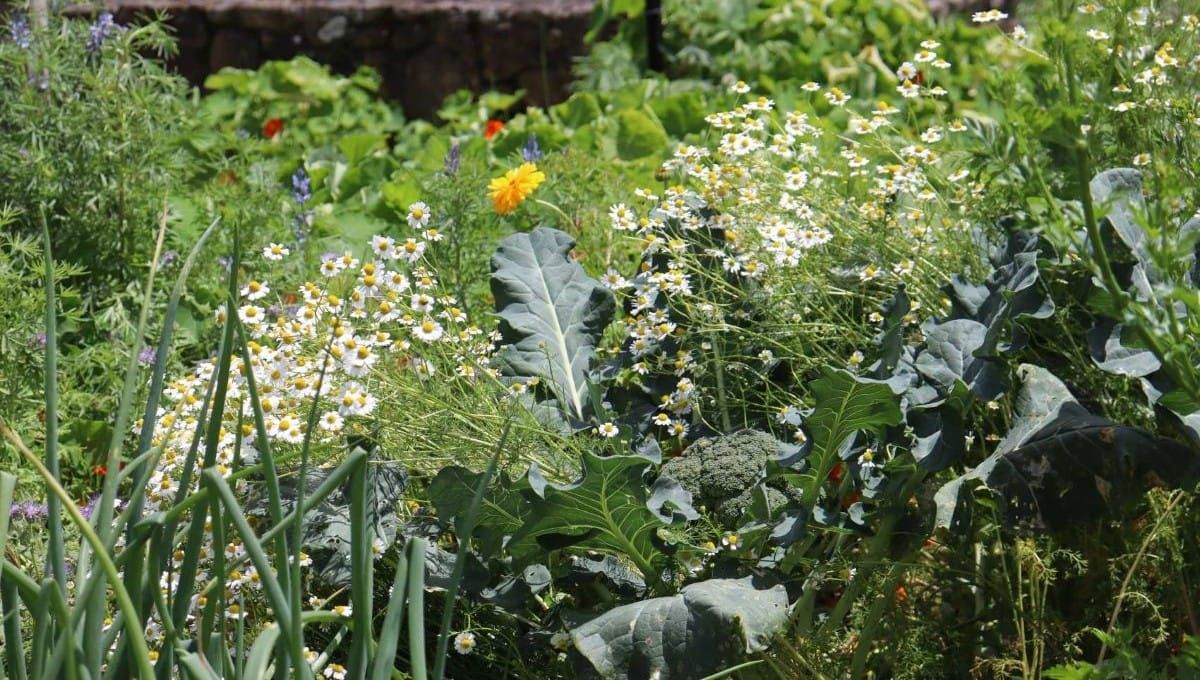
Overfeeding is easily done. Surrounded as we are, by seductive marketing and miracle soil food, home gardeners fertilise wildly. Less really is more. All you need provide is just enough.
But first you need to know this:
The main player in fertility isn't the things you add to the soil, but the biology that lives in the soil. Trillions of microscopic life forms living on the roots of plants sort everything from nourishment to immunity.
Your role is to create a garden in which biology thrives. You do that with homemade compost + vermicastings + living mulch. That's it!
When these three form the backbone of your feeding regime pests reduce, disease abates and crops thrive. The key is the synergy of these three together, lets dive in.
Homemade compost + vermicastings
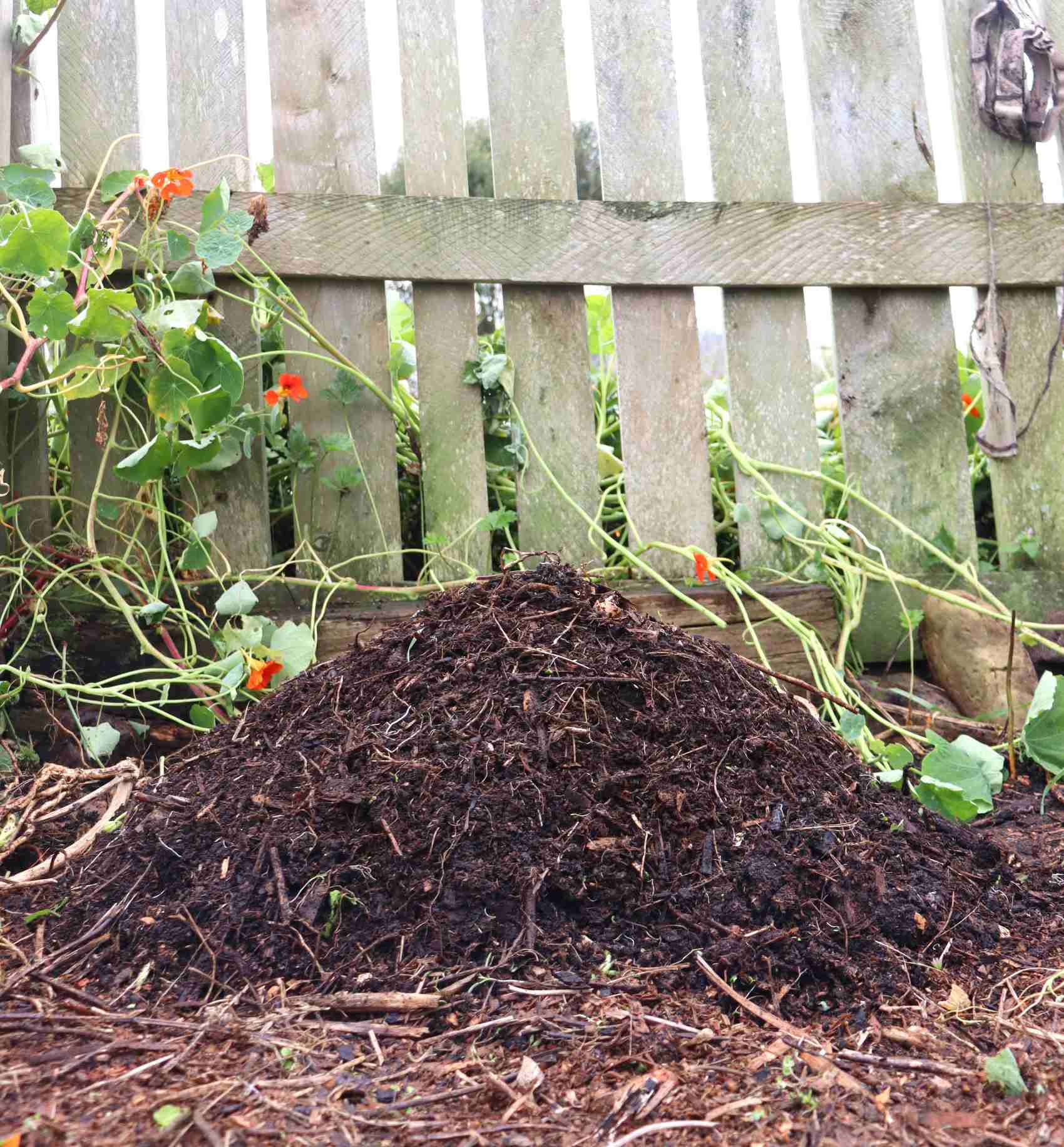
Homemade compost, friends, is chalk and cheese from bought compost. Making your own is well worth it and it isn't as arduous as you think because you don't need near as much as you think you do, and because I can set you up for ease and speed.
Vermicastings are easy as pie - everyday you have food scraps, set up a worm farm and turn them into gardeners gold.
How much compost + vermicasts does my soil need?
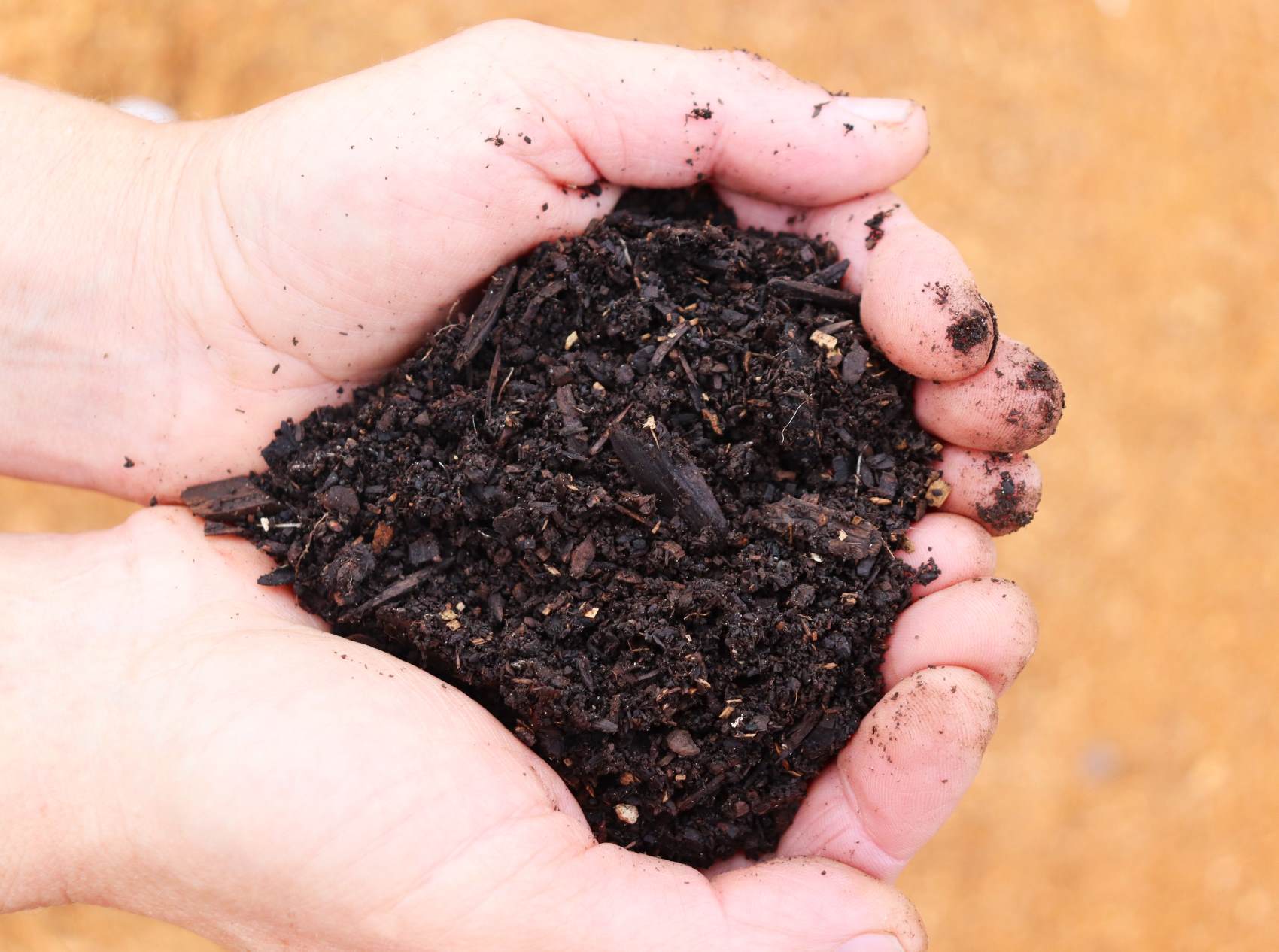
But a humble amount. Compost is really concentrated, you don't need much. Which is a relief, seeing as how much a pile shrinks! Use compost and vermicastings together or separately, they are interchangeable.
In small gardens
Everytime you plant a new seedling, plant it into a handful of compost or vermicastings. Sprinkle a little compost/ vermicastings every time you sow seed.
In larger gardens
If your soil is in good heart, a fine layer applied once per rotation is enough.
Compost fits into my crop rotation like this: GREENCROP ⮕ COMPOST ⮕ HEAVY FEEDER ⮕ LIGHT FEEDER ⮕ START AGAIN/ GREENCROP
If your soil isn't in good heart, spread a fine layer twice in your rotation, before both the heavy and the light feeder, as a temporary measure until your soil comes good. Which it will.
Living mulch
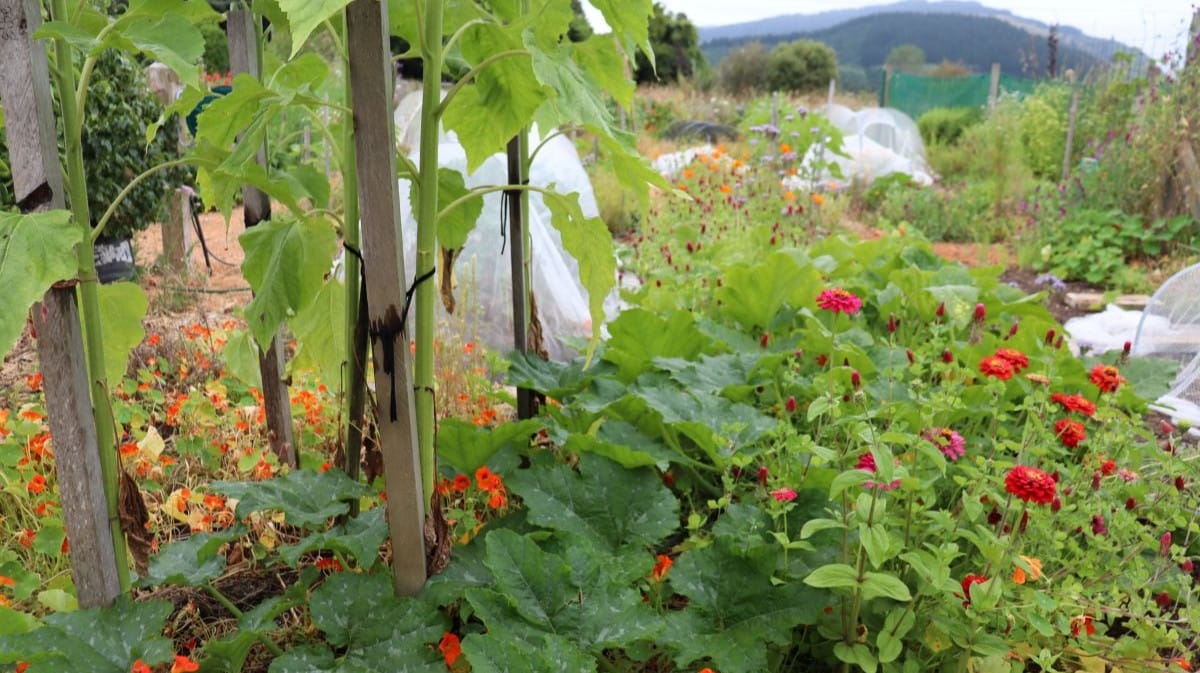
Plants are powerful soil builders. Which makes complete sense, right - there they are, cloaking the earth.
- Living plants build soil: By opening it up as they spread far and wide and by the sugars they exude into the rhizosphere (the zone around the roots). Biology feed on the sugars and in exchange provide the plants with minerals, immunity, information - whatever the plant requested. Cos yes, that's exactly how it works.
- Dead plants build soil: Plants are easily broken down when recycled as mulch or homemade compost. No other organic matter incorporates as seamlessly.
Use greencrops to build soil in your vegie patch:
- Include them in your crop rotation: a great way to reduce your need for compost
- Sow mixed greencrops with heavy feeder crops
- Plant crops amongst established greencrops
Use plants to strengthen your soil/ garden as a whole:
- Grow loads of perennial plants around the outside edges of your vegie patch
- Make compost using mostly plant matter
- Make mulch using homegrown/ spray free plant matter
- Grow a diverse garden! A big mix of shrubs, trees, flowers, greencrops and crops.
Give your soil a grace period as it adjusts. A lot must change below for above ground health to manifest. Give yourself a grace period too - it's a big mindshift, huge - one I am still on. Ease your way into it.